



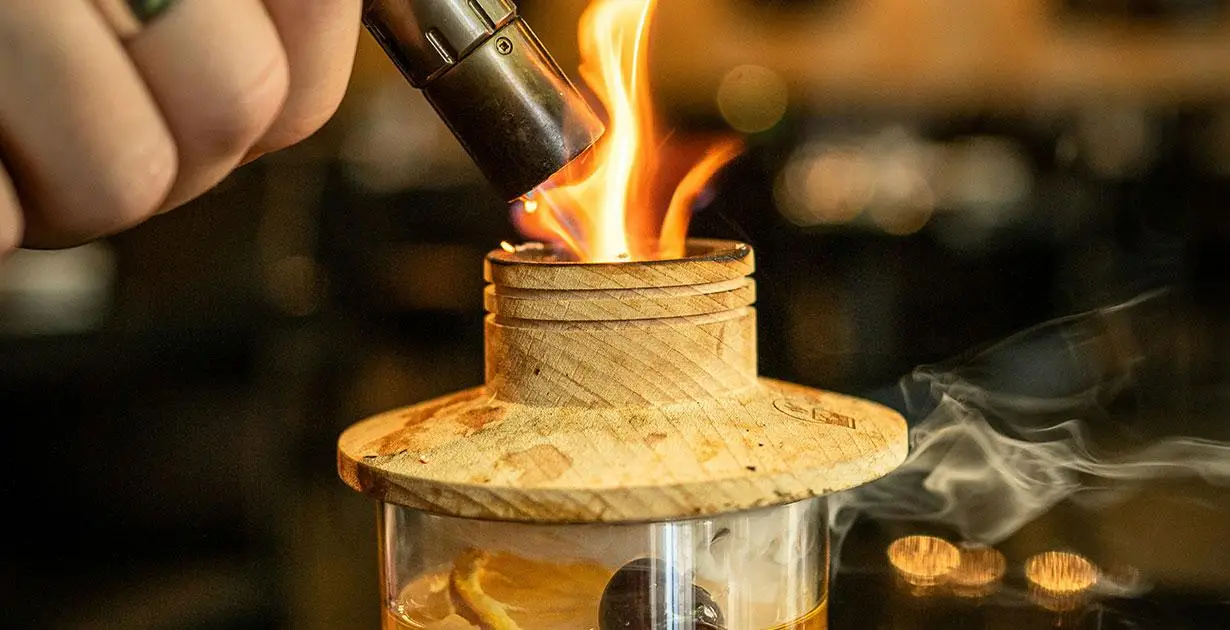
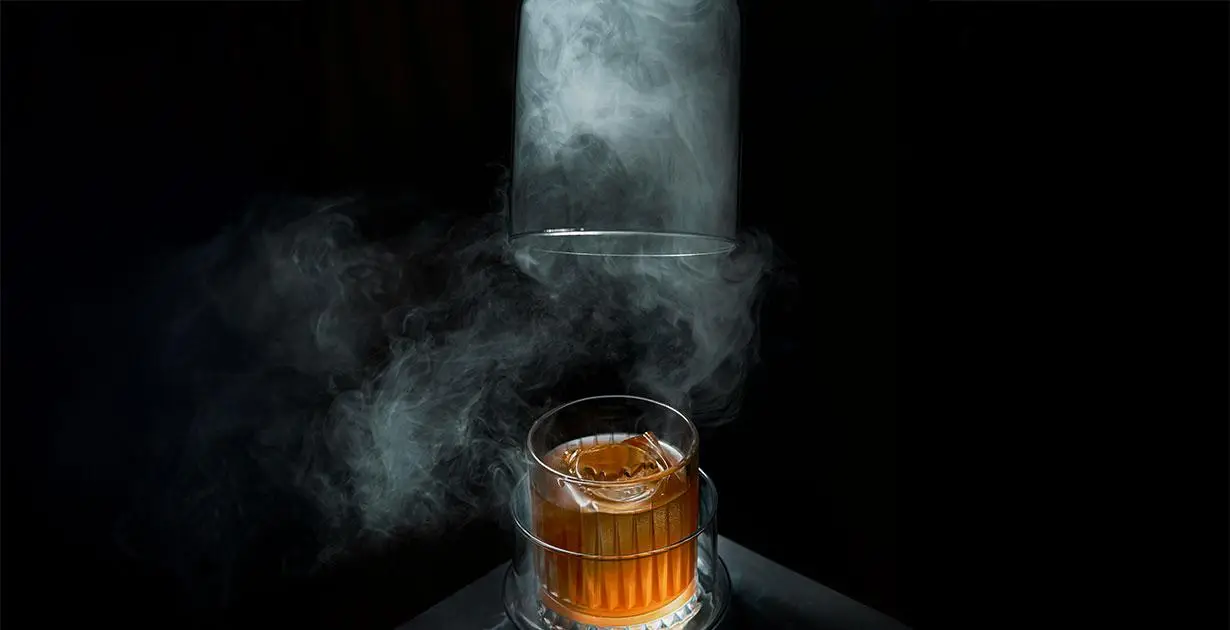
When I open Instagram or TikTok, it is hard to avoid cocktails swirling under glass domes filled with smoke. Bartenders lift the lid, the haze escapes, and the crowd reacts. It looks dramatic, and it photographs well.
But what is actually going on here? Are cocktail smokers a new way to transform flavor, or are they simply a visual trick?
Before spending money on one of these gadgets, it helps to understand where they came from, how they work, and whether they really change the drink in your glass.
What Will Whisky Look Like in 2027? Voices from Whisky Live Paris
READ THE STORYWhat Exactly Is a Cocktail Smoker?
A cocktail smoker is a tool that adds smoke to a finished drink. The goal is to bring in a smoky aroma, a subtle flavor, and a striking presentation.
There are several common types:
- Smoke tops or chimneys. Small wooden or metal discs that sit on top of a glass. You place wood chips inside, light them with a torch, and let the smoke fall into the drink. They are simple and popular with beginners.
- Handheld smoke guns. Battery-powered devices that burn chips in a chamber and push the smoke through a small hose. These are often paired with a glass dome, making them versatile for cocktails and even foods.
- Cloches and smoking boxes. Larger enclosures that trap smoke around one or more drinks. They are dramatic and designed for show, more common in bars than home kitchens.
- Smoke boards or planks. A rustic method where you char a board, cover it with a glass to trap the smoke, then pour in the drink.
All of these devices work on the same principle. They burn a material such as wood chips, herbs, or spices, then direct the smoke toward the drink. The effect is part aroma, part flavor, and part theater.
 Trending Content
From Bars to TikTok: A Quick History
Smoking cocktails is a relatively new idea. The practice began in the early 2000s as bartenders experimented with new ways to surprise guests. One of the first to draw attention was Eben Freeman in New York, who served bourbon mixed with house-smoked cola in 2007. The drink caught headlines and set off a wave of interest in smoked ingredients.
High-end cocktail bars soon embraced the technique. During the rise of molecular mixology, smoke became part of the experience, alongside foams and infusions. A plume of smoke made a drink feel more theatrical, and bars used it to add a sense of occasion.
The next boost came from social media. Short videos of smoke-filled domes being lifted from Old Fashioneds spread quickly. What began as a niche bartender’s trick turned into a global trend. By the late 2010s, cocktail smokers were being marketed to home enthusiasts as well as professionals.
Do Cocktail Smokers Really Change Flavor?
The short answer is yes, but not as much as you might expect. Most of the effect comes through aroma rather than taste. When you lift the dome or take the first sip, the smoke hits your nose. That smell makes the drink seem smokier than it actually is.
Some bartenders argue that smokers are more about presentation than transformation. The smoke creates a dramatic reveal and enhances the senses, but the liquid itself only takes on a faint charred note. Leave the smoke too long, and the result can be bitter or ashy.
There are still advantages. A smoker lets you add a smoky accent to almost any cocktail, from a gin martini to a margarita, without changing the base spirit. It can also heighten the flavor of whiskey cocktails, making the caramel and spice notes stand out.
On the other hand, traditional smoky spirits such as mezcal or peated scotch deliver deeper and more consistent flavor. Smoked syrups and bitters do the same. For some drinkers, these options feel more rewarding than adding smoke at the last minute.
In the end, the real value of a cocktail smoker lies in the multisensory experience. It is a mix of light flavor, strong aroma, and a lot of spectacle.
What Woods (and Extras) Can You Use?
The type of wood you choose changes the character of the smoke.
Fruitwoods such as apple, cherry, or peach give a gentle, slightly sweet smoke. They suit lighter drinks like margaritas, daiquiris, or gin cocktails. The smoke adds a whisper of depth without overwhelming fresh citrus or herbal notes.
Hardwoods such as oak, hickory, or mesquite are stronger. Oak delivers a balanced richness, while hickory has a bacon-like punch. Mesquite is very bold and can dominate if overused. These pair best with spirit-forward drinks like an Old Fashioned or Manhattan.
Smokers are not limited to wood chips. Many bartenders experiment with extras. A toasted cinnamon stick adds warm spice. Rosemary or thyme gives a piney, herbal aroma. Even dried citrus peel can be burned for a bright, fragrant smoke.
The flavors are never heavy. They sit on the surface of the drink rather than changing it completely. It gives you room to experiment and find combinations that enhance rather than mask your cocktail.
Are Cocktail Smokers Worth Buying?
The answer depends on how often you mix drinks and how much you enjoy presentation.
For casual drinkers, a cocktail smoker is rarely essential. It is fun to try once or twice, but it often ends up at the back of a cupboard. If you usually pour a quick drink at home, the extra step and cleanup can feel like more trouble than it is worth.
For hobbyists and hosts, a smoker can be a great addition. Serving a smoked Old Fashioned at the table always draws attention. Experimenting with different woods or herbs can also be rewarding. The ritual of smoking adds a layer of theater that appeals to people who enjoy the craft of cocktails.
There are some drawbacks. Smokers leave ash and need cleaning. They involve open flames, which means a little care is required. Over-smoking is common and can make drinks taste bitter. Some cheaper models can also break down quickly.
Price is another factor. Entry-level chimney kits with a torch cost around $30 to $50 in the U.S., or £25 to £40 in the UK. Mid-range smoke guns run from $75 to $150, or £60 to £120. Larger cloches and smoking boxes often cost $200 to $300 or more.
If you are unsure, try a smoked cocktail at a bar first. It is the easiest way to decide if the effect justifies the investment.
Easier Alternatives to Get Smoky Flavor

You do not need a smoker to enjoy smoky cocktails. Many spirits and ingredients already bring those flavors.
Mezcal is the best-known example. The agave hearts are roasted underground, giving the spirit its earthy smoke. Ilegal Reposado is my go-to mezcal for cocktails. It is sweet and smoky with an underlying oakiness that brings the same quality as wood smoke.
Peated scotch is another option. The malt is dried over peat fires, which leaves a briny, smoky character. Even a small rinse of Islay whisky in a glass can transform a cocktail. Ardbeg An Oa is a great choice. Made from a vatting of cask types including Pedro Ximenez, Virgin charred oak, and ex-bourbon, it is a well-rounded dram that adds Ardbeg’s typical sweet smoke to a cocktail.
If you prefer something more hardy and medicinal, try Laphroaig 10.
Other ingredients work well, too. Smoked simple syrups add a gentle campfire note. Eden Mill’s Smoked Salt Sugar Syrup is another staple on my bar. It is the perfect balance of salt, smoke, and sweetness that adds that extra bit of depth to a cocktail like an Old Fashioned.
Smoked bitters or smoked salt rims can give cocktails depth without extra tools. Some bartenders even freeze smoked water into ice cubes, releasing flavor slowly as they melt.
Flamed garnishes are another easy trick. Torch a rosemary sprig or toast a cinnamon stick, then place it in or on the glass. Expressing a citrus peel over a flame adds both drama and aroma. These methods deliver smoke, spice, and spectacle with nothing more than a lighter.
The Final Word on Cocktail Smokers
Cocktail smokers are striking to watch, but their real impact is subtle. The aroma adds interest, and the presentation creates a moment. For people who love entertaining or Instagramming their cocktail creations, they can be a worthwhile tool.
For everyone else, smoky spirits and flamed garnishes may offer the same satisfaction with less cost and effort.
So, it really depends on whether you want a quick hit of flavor or the full ritual.
Either way, smoke has earned its place in modern cocktails. It turns a simple drink into an experience.