



WhistlePig is one of the fastest-rising names in American whiskey. From its Vermont farm, the brand built its reputation on bold rye and proved it could rival top bourbons and scotches.
Today, the range runs from the approachable PiggyBack to the rare Boss Hog. With major awards and a loyal following, WhistlePig has become a standout. Here are seven things you may have wanted to know about the brand.
1. What’s in the WhistlePig Core Range?
WhistlePig’s lineup covers everything from cocktail-friendly bottles to luxury releases.
What Will Whisky Look Like in 2027? Voices from Whisky Live Paris
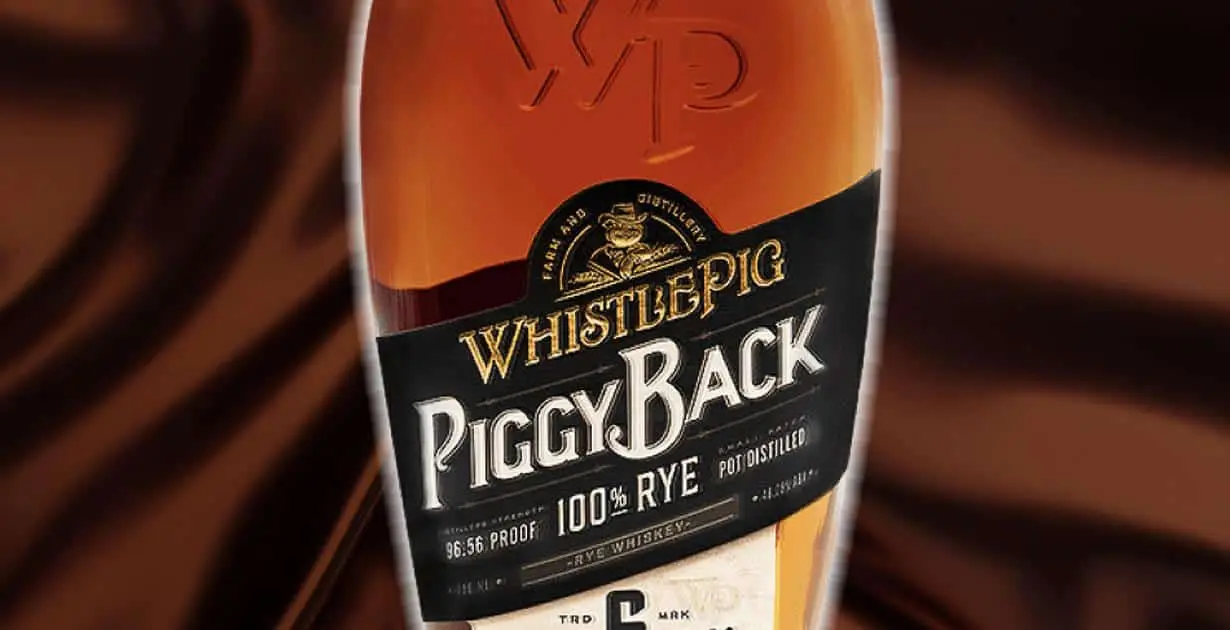
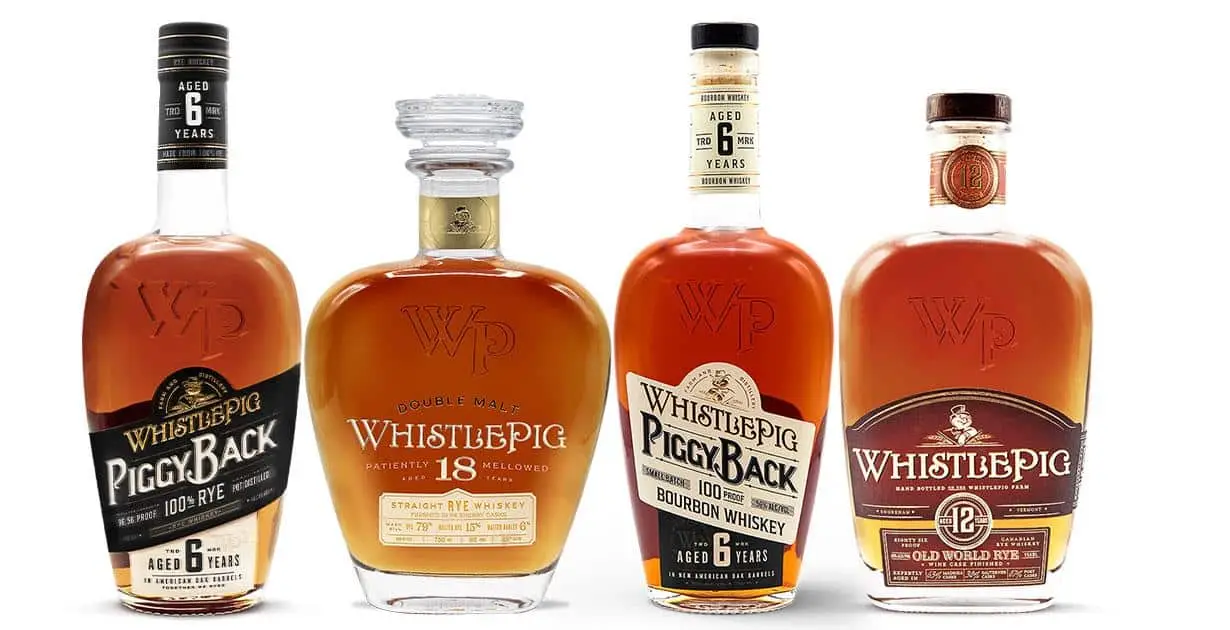
READ THE STORYThe PiggyBack series includes the original 100% Rye and the newer PiggyBack 100 Proof Bourbon. Both are designed to be approachable in price and perfect for mixing.
The FarmStock range highlights the Vermont distillery itself. FarmStock Rye blends house-made spirit with sourced whiskey, while the Beyond Bonded Rye and Beyond Bonded Bourbon are bottled-in-bond expressions made entirely from grain grown on the WhistlePig farm.
WhistlePig’s Well Aged Whiskeys form the backbone of its reputation. The Small Batch Rye Aged 10 Years is the flagship release. The Snout-to-Tail Bourbon Aged 10 Years is a limited bourbon experiment. The Old World Rye Aged 12 Years adds wine cask finishes, the Estate Oak Rye Aged 15 Years uses Vermont oak, and the Double Malt Rye Aged 18 Years pushes rye aging to its peak.
 Trending Content
Together, these bottles show how WhistlePig has built a range that is both experimental and rooted in classic rye whiskey traditions.
2. Why WhistlePig Commands Top-Shelf Prices
WhistlePig is not a budget brand. Even its entry-level bottles sit above many competitors. The main reason is age. WhistlePig built its name on well-aged rye, often 10 years or more, which is rare in the category.
Production also adds to the cost. The distillery bottles by hand on its Vermont farm and uses custom barrels made from local oak. The FarmStock and Beyond Bonded ranges are true “grain-to-glass” whiskeys, grown, distilled, and aged on the farm.
Branding plays a role as well. WhistlePig has won top awards at competitions like the San Francisco World Spirits Competition. That reputation allows it to hold premium pricing, especially on limited editions like the Boss Hog series.
3. Is WhistlePig Actually a Good Whiskey?
Most whiskey critics agree that WhistlePig delivers on quality. The 10 Year Small Batch Rye has been called one of the most awarded ryes in the world. The 12 Year Old World and 15 Year Estate Oak have earned Gold and Double Gold medals at major competitions.
Reviewers highlight the balance between bold rye spice and smooth oak character. The PiggyBack range is often recommended for cocktails, while the older expressions are praised as sipping whiskeys.
WhistlePig has a reputation for consistency across its lineup. Whether you choose an entry-level bottle or an 18 Year, you are buying a whiskey that is widely respected by experts.
4. From Vermont Farm to Bottle: The Story of WhistlePig
WhistlePig began in 2007 when Raj Bhakta bought a 500-acre farm in Shoreham, Vermont. He teamed up with Dave Pickerell, the former master distiller at Maker’s Mark, who believed rye whiskey had untapped potential.
The first release was the 10 Year Straight Rye, made from Canadian stock and bottled on the farm in 2010. That bottle quickly won awards and put WhistlePig on the map.
Since then, the distillery has grown into a full grain-to-glass operation. It now grows its own rye, uses water from the farm, and ages whiskey in Vermont oak barrels. The name “WhistlePig” comes from a local nickname for a groundhog, tying the brand back to its rural roots.
5. Is WhistlePig a Bourbon or a Whiskey?
You may have heard the saying “All bourbon is whiskey, but not all whiskey is bourbon.” This rings true for WhistlePig.
WhistlePig’s brand is built mainly on rye. Rye whiskey must be made with at least 51 percent rye grain, which gives it a spicier profile than bourbon. Bourbon, by contrast, is made mainly from corn and tends to be sweeter.
WhistlePig has been a leader in the modern rye revival. That said, the brand has also experimented with bourbon. The PiggyBack 100 Proof Bourbon and Beyond Bonded Bourbon are small but growing parts of the range.
Still, rye is the heart of WhistlePig. If you pick up a bottle, chances are you are buying rye whiskey.
6. A Brand That Doesn’t Take Itself Too Seriously

WhistlePig has built its reputation on quality, but also on personality. The brand’s marketing is funny, irreverent, and often tongue-in-cheek. It does not present itself with the formality you see from many luxury whiskey labels.
Partnerships have been a big part of that approach. WhistlePig worked with the comedy group behind Super Troopers on limited releases. More recently, it teamed up with Formula 1 driver Valtteri Bottas during his time with the Stake F1 team. In 2025, the brand collaborated with Liquid Death to create GraveStock, a whiskey matured in “caskets” and proofed with Liquid Death mountain spring water.
This offbeat style has helped WhistlePig stand out. It shows the distillery is willing to experiment not only with whiskey but also with how it connects to drinkers.
7. Is WhistlePig Hard to Find?
Availability depends on the bottle. Core releases like PiggyBack and the 10 Year Small Batch Rye are widely distributed in the United States. You can usually find them in well-stocked liquor stores or through online retailers.
Older whiskeys, such as the 15 and 18 Year, are produced in smaller quantities. They are more limited but not impossible to track down.
The hardest to find are the annual Boss Hog releases and experimental bottlings like GraveStock. These are allocated, often sell out quickly, and appear on the secondary market at much higher prices.
Internationally, WhistlePig has been expanding, especially since its partnership with Moët Hennessy. That means you are more likely to see the brand in Europe and Asia than a decade ago. Still, outside the U.S., choice is more limited.