




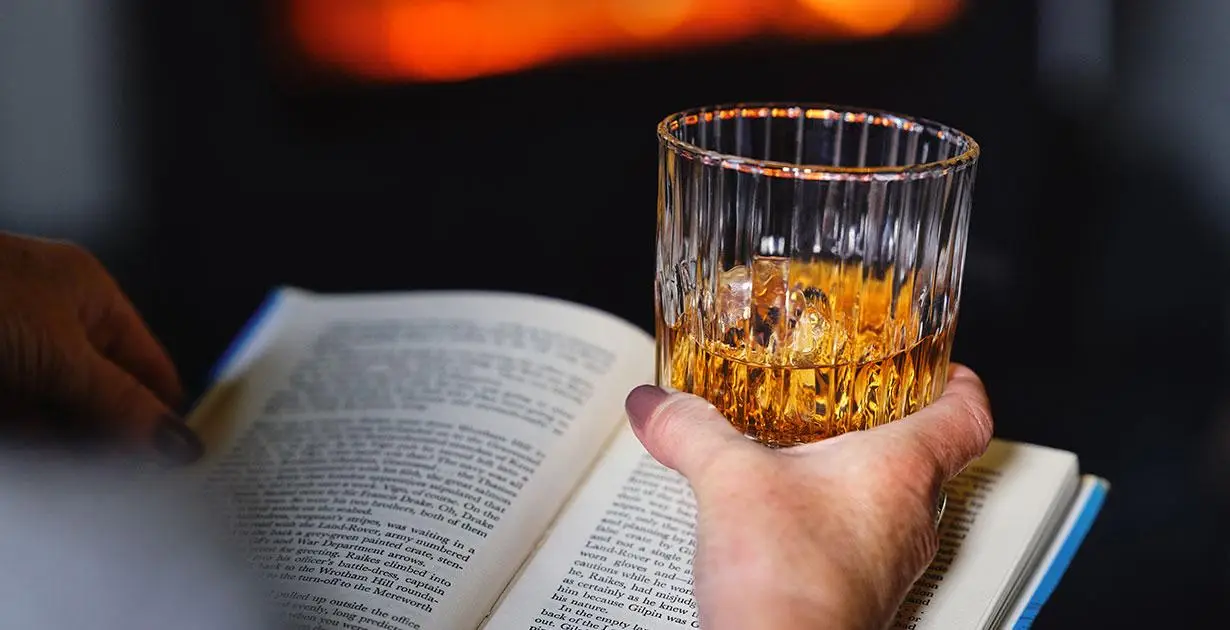
Whiskey isn’t just about flavor and tradition. For many drinkers today, it’s also about balance. If you’re watching your intake, here are five essential facts about kcal in whiskey, including how many calories are in a shot, why ABV matters, and how to enjoy whiskey without loading up on sugar.
1. All the Calories in Whiskey Come from Alcohol
Whiskey is distilled, meaning there are no carbs, sugars, or fats left in the final product. It’s made of just alcohol and water. Every calorie comes from the ethanol, which delivers around 7.1 kcal per gram
As Georgie Bell, founder of The Heart Cut, puts it: “Obviously with whisky, there’s no added sugar (compared to the potential in other spirits) so, as spirits go, it’s a pretty good pick!”
What Will Whisky Look Like in 2027? Voices from Whisky Live Paris
READ THE STORYSo if you’re comparing spirits, whiskey has a cleaner nutritional profile than liqueurs or cocktails with added syrups.
2. A Standard Shot Has Fewer Calories Than You Might Think
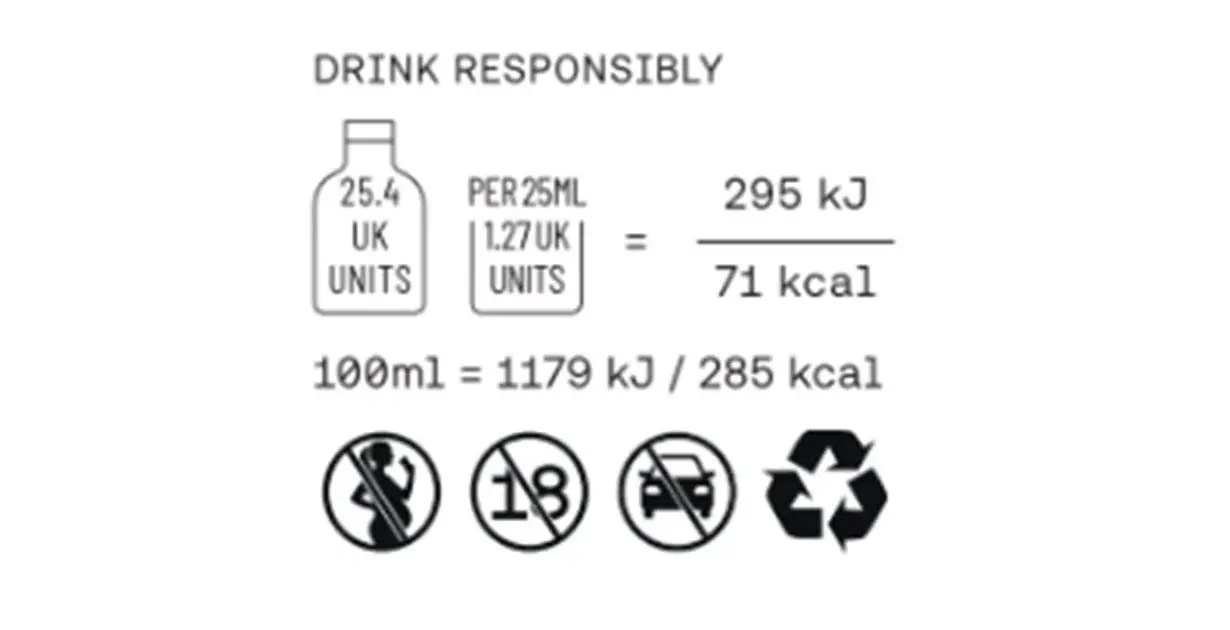
The calorie count in whiskey depends on the pour and the ABV. Here’s what to expect from typical servings of 40% ABV whiskey:
- 1 oz (30ml): ~65 kcal
- 1.5 oz (44ml, U.S. shot): ~97 kcal
- 25ml (UK): ~56–61 kcal
- 35ml (Scotch dram): ~79.5 kcal
- 750ml bottle: ~1,650 kcal
That makes whiskey a lighter option compared to beer (150–200 kcal per 12 oz) or wine (120–130 kcal per 5 oz).
 Trending Content


3. High-ABV and Cask Strength Whiskeys Contain More Calories
Higher proof = more alcohol = more kcal. A whiskey at 50% ABV will have roughly 25% more calories than the same volume at 40%.
Georgie Bell’s independent bottler, The Heart Cut, produces whiskies in the 48–57% ABV range, so they carry more flavor and slightly more energy per ml.
If you’re calorie-conscious, just be aware of what’s in your glass.
4. You Can Keep it Low-Cal Without Compromising Taste
You don’t need sugary mixers to enjoy whiskey. In fact, one of the best things about whiskey is that it stands on its own.
Bell recommends: “For a lower-cal serve – of course, whisky neat/with ice/with water. Long, I really like it with Soda, and depending on the whisky a couple of drops of Peach bitters. I’d also recommend bitters like Seasn Dark and the Three Families Cocktail Seasonings – especially THIS one.”
She continues: “Obviously it depends on the whisky – our #03 Kyro goes really well with soda, peach bitters and a lemon twist. And then our #12 Nc’nean goes brilliantly with Three Families Pettah Market”
Soda water adds zero calories and lets the character of the whiskey shine through.
5. Flavored Whiskeys and Mixers Change the Equation
While straight whiskey is carb- and sugar-free, flavored expressions and cocktails are not. Adding cola, juice, or honeyed variants increases both calories and carbs. For example:
- Whiskey & cola (8 oz): ~200+ kcal
- Whiskey sour: ~175 kcal
- Flavored whiskeys: up to 15g sugar per serving
If you’re looking for control, go back to basics: whiskey, ice, and maybe a splash of soda.
Final Thought
Whether you’re tracking calories or just curious, whiskey is a surprisingly sensible choice, as long as you skip the mixers and keep an eye on the proof. With smart serves and great bottles like those from The Heart Cut, you can enjoy full flavour without overloading your daily intake.