Skip to content




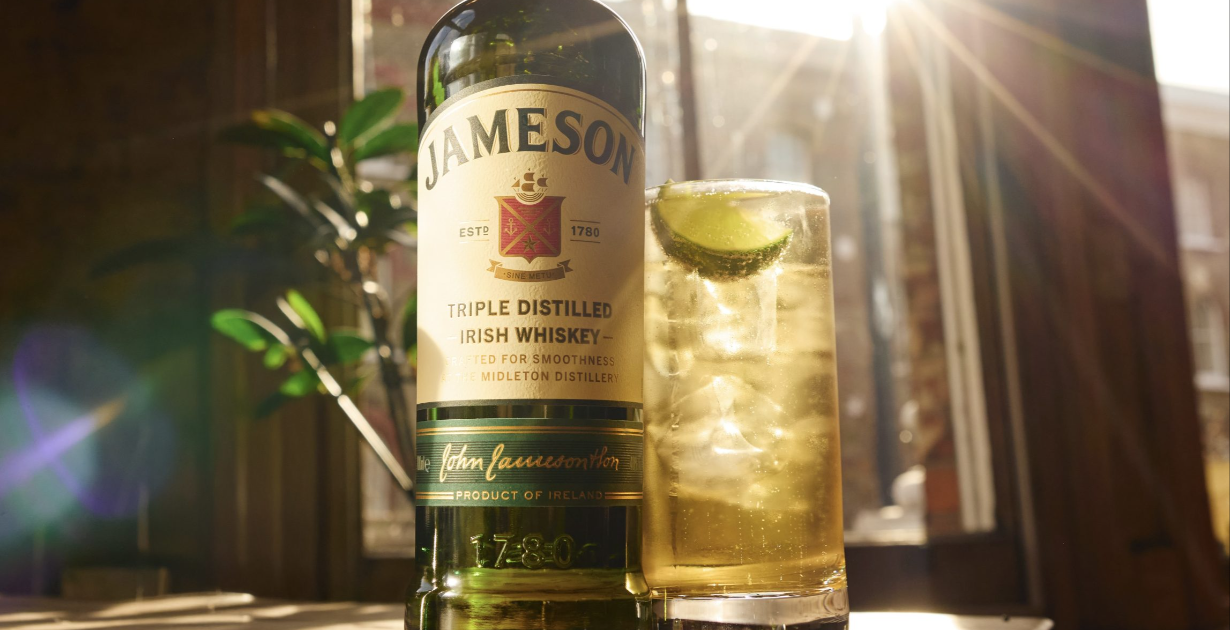
If you have ever ordered an Irish whiskey in a bar, there is a good chance the bartender reached for a bottle of Jameson. It’s one of the most familiar bottles on back bars around the world, and every March it seems to turn up just about everywhere as people get ready for St. Patrick’s Day.
For a whiskey so many people recognize on sight, it’s easy to know the bottle well without knowing much about the story behind it. The history behind the brand has more twists than you might expect, from a Scottish founder to a famous inventor in the family tree.
So, here are five things you probably didn’t know about Jameson.
1. Ireland’s Best-Known Whiskey Was Started by a Scotsman
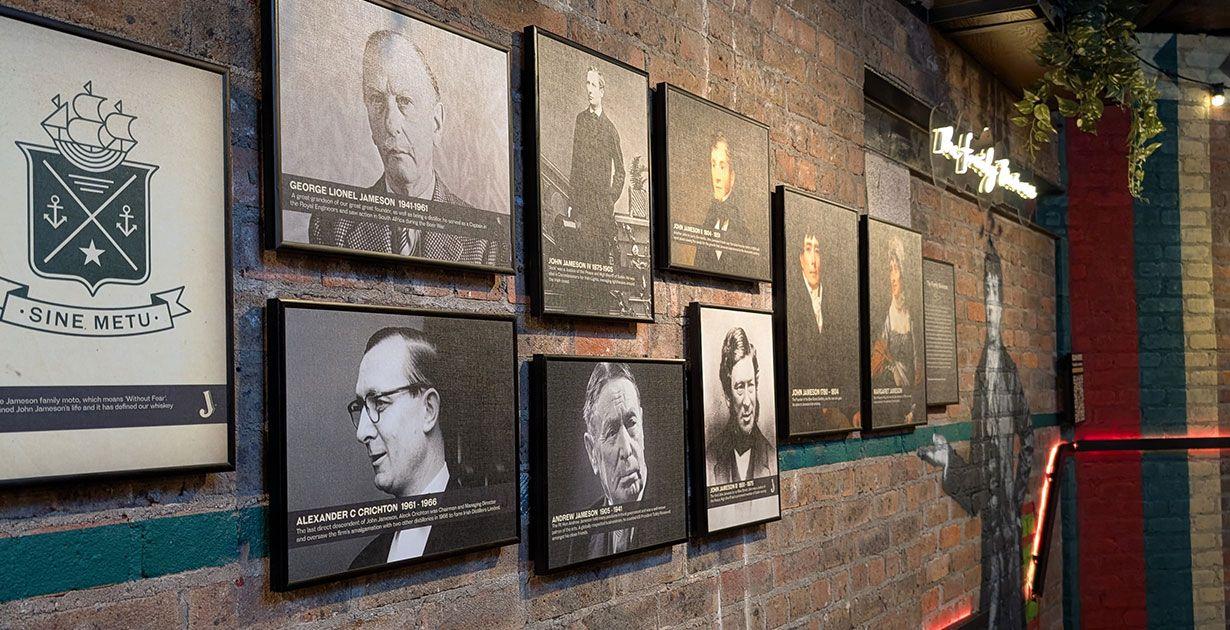
The name on every bottle of Jameson belongs to John Jameson, a Presbyterian from Alloa in Clackmannanshire, Scotland, who worked as the Sheriff Clerk of Clackmannanshire.
He also married into one of Scotland’s best-known whisky families. His wife, Margaret, was the daughter of John Haig, and four of her brothers went on to set up distilleries of their own, including Canonmills in Edinburgh, Seggie in Fife and Dodderbank near Dublin. Her mother’s side of the family, the Steins, were major distillers in their own right.
In the 1770s, Jameson moved his family to Dublin, where he took charge of the Bow Street Distillery and spent the next few decades turning it into one of the most successful whiskey businesses in Ireland.
So the whiskey most people think of as typically Irish was started by a Scotsman who married into a Scotch whisky family.
2. The Bow Street Distillery Ran Almost Like a Small Town
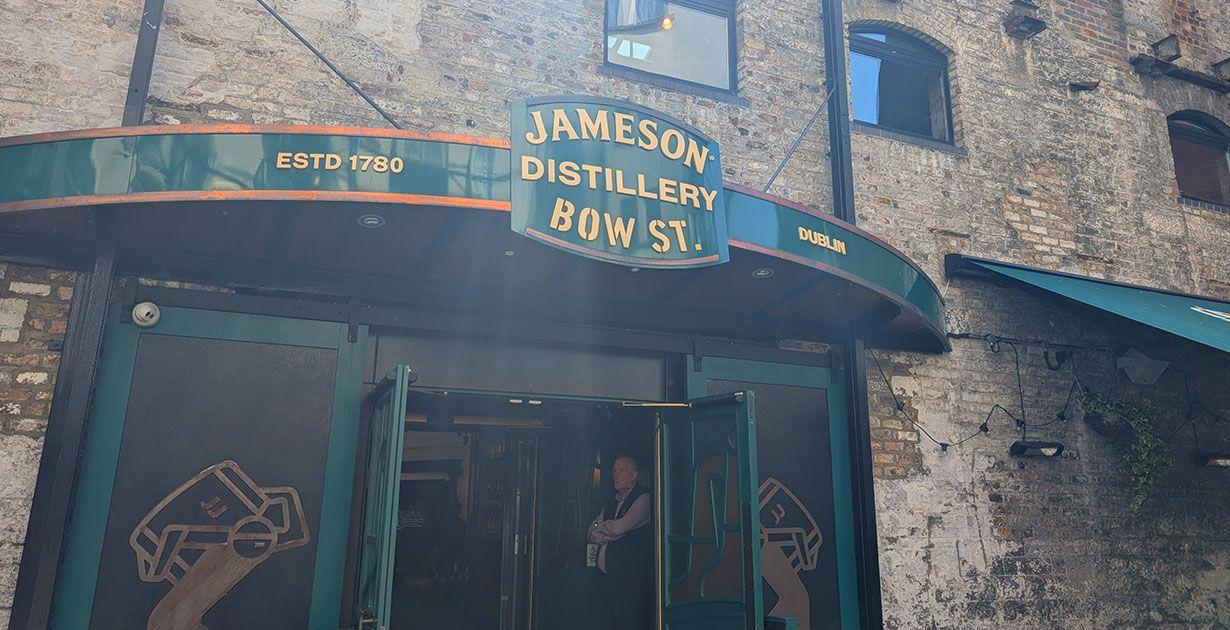
When the writer Alfred Barnard visited Bow Street in the 1880s, he stopped first at nearby St. Michan’s Church to see the preserved bodies in its vaults, then walked the last 200 yards or so to the distillery. By his account, the site covered more than five acres and produced about 1,000,000 gallons of whiskey a year.
Alongside the distilling itself, Bow Street had its own smithy, cooperage and sawmills, as well as engineers’, carpenters’, painters’ and coppersmiths’ shops. Barnard wrote that “The firm make all their own carts and waggons, repair the machinery, and construct their own buildings.”
Around 300 men worked there, and Barnard noted “it is a notable fact that the operatives are never turned away except for misconduct.” One of the workers he met was over 86 years old.

He also recorded that the distillery’s chimney stack was built in the year Queen Victoria was born, which was 1819.
3. Radio Pioneer Guglielmo Marconi Was a Jameson Descendant
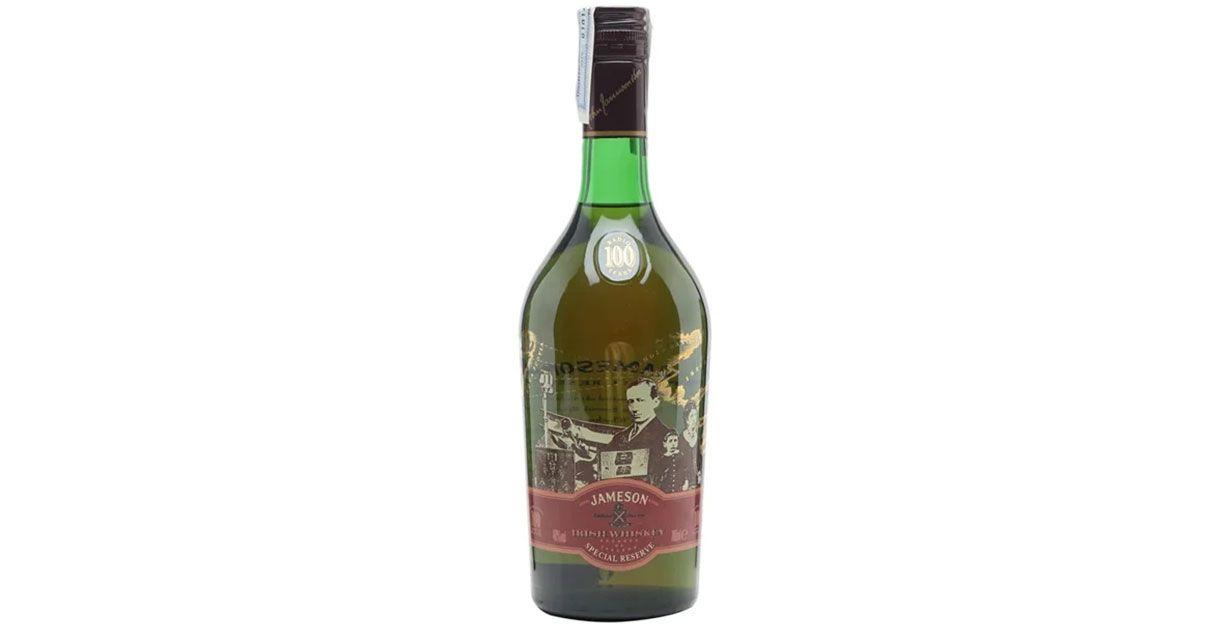
Guglielmo Marconi, who is credited with sending the first radio signal across the Atlantic in 1901 and who shared the 1909 Nobel Prize in Physics, had Jameson whiskey in his family tree. His mother, Annie Jameson, was the daughter of Andrew Jameson of Daphne Castle in County Wexford and the granddaughter of John Jameson, which made Marconi the founder’s great-grandson.
The family connection was later marked with a bottling called Jameson Marconi. In The Whisk(e)y Treasury, Walter Schobert writes that “New barrels of American oak were used for it for the first time in Ireland,” and he predicted it “will probably soon become a sought-after curiosity.”
4. Jameson Hasn’t Been Distilled in Dublin for More Than 50 Years
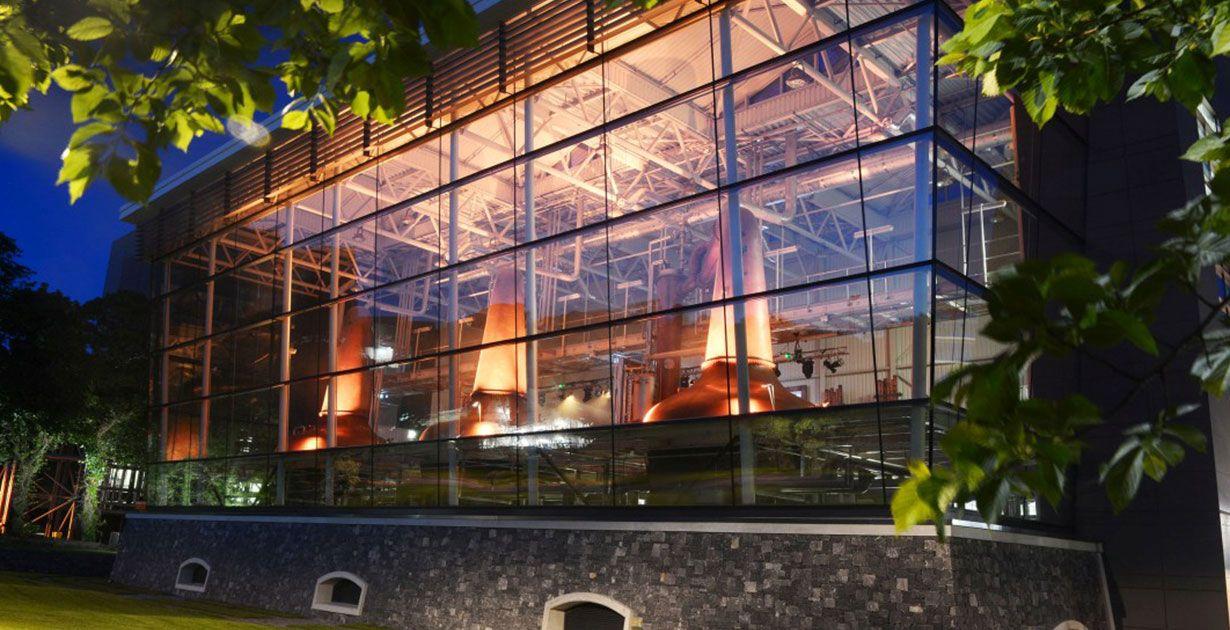
In 1966, John Jameson & Son merged with Powers and Cork Distilleries to form Irish Distillers. Within a decade, Jameson production had left Dublin altogether.
According to Jameson’s own history, the last pot still whiskey was distilled at Bow Street on June 5, 1970. For a few years afterward, some Jameson was made at the Powers Distillery on John’s Lane, across the River Liffey, until it closed in 1976. By then, Irish Distillers had opened its new Midleton Distillery in County Cork.
The empty Bow Street buildings came close to being demolished, but Irish Distillers bought back part of the site and reopened it as a visitor center in the late 1990s.
Writing in Whisky Magazine in 1999, Tim Atkin concluded, “Give or take the maturation casks, Jameson is now a Cork, not a Dublin whiskey.” Some of those casks have since gone back, as Jameson now ages its 18 Year Old Bow Street release at the old Dublin site.
5. Jameson Now Outsells All but Six Whiskies in the World
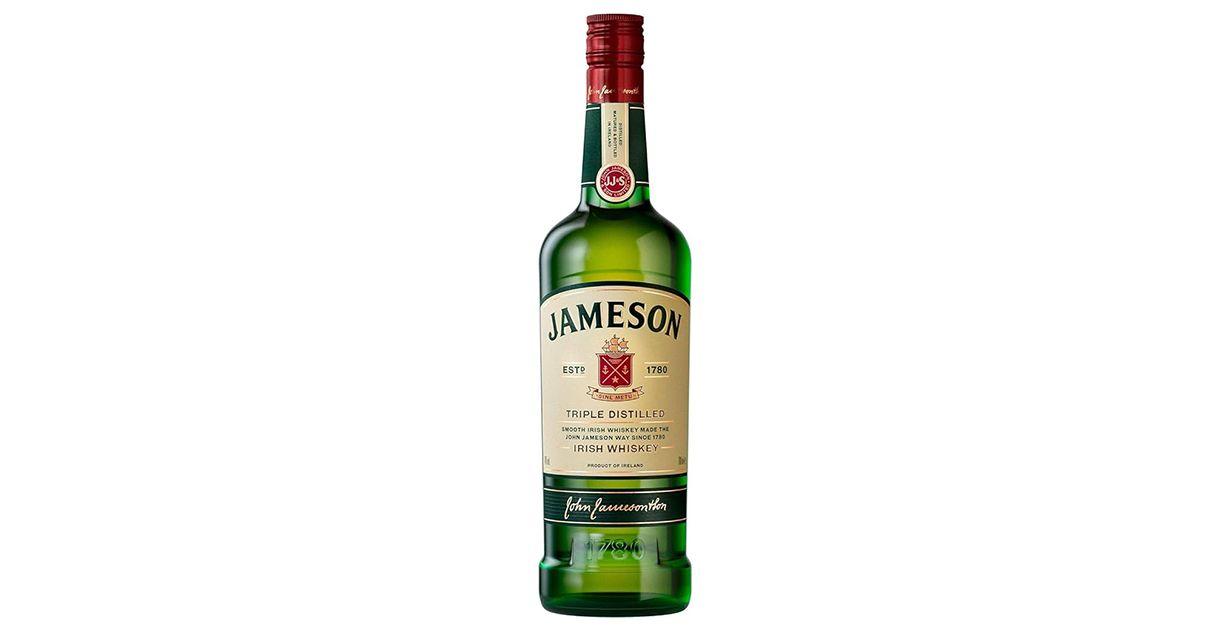
In Everything You Need to Know About Whisky, Nicholas Morgan writes that “Case sales of Irish whiskey, which had stood at only 200,000 in the late 1980s, exceeded 11 million in 2020, of which around 75 per cent was accounted for by Jameson.”
Irish Distillers was bought by the French drinks group Pernod Ricard in 1988. By 1999, Tim Atkin reported in Whisky Magazine that Jameson was “selling more than one million cases around the globe and accounting for three out of every four bottles of Irish whiskey produced.”
Sales have kept climbing since then. The Malt Whisky Yearbook 2026 reports that Jameson sold 130 million bottles in 2024, or 10.8 million nine-liter cases. That makes it the seventh best-selling whisky in the world. The only brands ahead of it are Johnnie Walker, Jack Daniel’s and four Indian whiskies, with Jim Beam just behind on 10.7 million cases.
From Bow Street to Midleton
Jameson’s story starts with a Scottish sheriff clerk who married into the Haig family, and takes in a distillery that worked like a small town and a family link to radio pioneer Guglielmo Marconi.
Today it’s one of the best-selling whiskies in the world, with some of its casks maturing at Bow Street again.