


Bourbon has some traditions that don’t get spoken about as much as they should. Every whiskey industry across the world has its own habits and customs, but some of the ones that exist in bourbon production are remarkable and a little eye-opening.
When I say eye-opening, I mean that even people who may not like the idea of drinking bourbon would probably be surprised by the focus on quality and consistency that goes into producing the liquid. Others are a little more common, but still not spoken about enough in the grand scheme of whiskey, or in terms of why they matter to the final product in the bottle.
So, here are some of the most interesting bourbon traditions that make the whiskey what it is.
What Will Whisky Look Like in 2027? Voices from Whisky Live Paris
READ THE STORYHand Rolling Casks
This is a two-fold point. The first involves the ease with which barrels can be rolled. Their shape, pressure, and metal hoops make them easier to move around than you might expect. They are still very heavy, so precautions need to be taken, and this is naturally a very manual process for those doing it.
It is also a more traditional way of doing things, linking back to the origins of whiskey warehousing across several producing countries. The alternative is palletised warehousing with forklifts. These actually seem more dangerous to me, as the emphasis can become “as much as possible.” I don’t know if you’ve ever seen a palletised warehouse. The height of those pallets can be mighty intimidating.
The second point is that rolling casks allows the wood and the liquid to have more even interaction. If the whiskey is only sitting on one side for its entire life, then you’re losing the balanced influence of the other half of the barrel. That char and toasting are doing nothing if it’s not wet.
 Trending Content
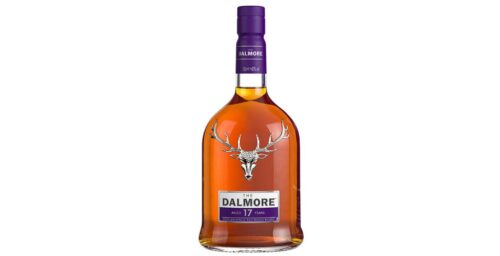

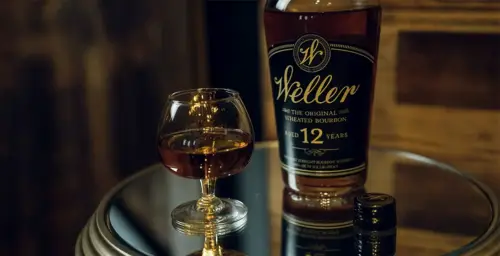
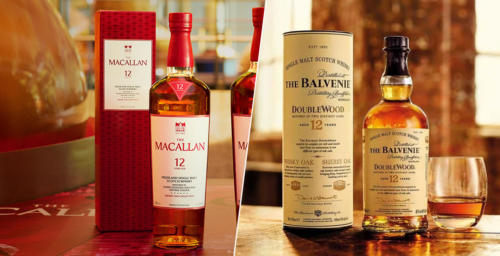
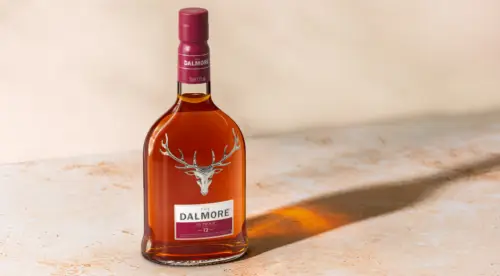

Rolling the casks helps create a more even balance of cask influence. Another point is that if you’re ever taking cask samples from a barrel, give it a roll first. All of the oils, fats, and other fun things in the whiskey can separate out over time, and a little roll of the cask can help integrate these again for a better sample of that barrel.
The Buffalo Trace Antique Collection Releases
The closest Scottish, or wider whiskey, equivalent to this is probably the Diageo Special Releases, which appear towards the end of every year. I would have loved to have seen the queues of true bourbon lovers outside the doors of stores before the chaos hit around the Buffalo Trace Antique Collection bottles about a decade ago.
Sometimes you wouldn’t even have had to queue. You could walk into a specialist retailer and pick up everything from the range, or just your favourite, for the MSRP. Now, it’s all about lotteries, draws, or simply overpaying to get your hands on a product that should be about $100 or £100 a bottle.
These bottles were the mainstay for people who truly loved them for years. Then the auction market went crazy for them. While prices have fallen, I walked into a retailer the other week and saw four different releases of W.L. Weller BTAC, all priced at £800+. Those bottles won’t sell. They’ll sit there and gather dust.
I did offer to pay £400 to take one of each. Sadly, they weren’t keen on that deal, but they would have been opened, shared, and enjoyed. These releases have fallen into a sad category: great liquid at massively inflated prices. However, the release of these products is still an exciting event in the yearly whiskey calendar.
Reverse Osmosis Water
This is a very important part of the final production of bourbon. Maker’s Mark was where I first saw this in action.
While mineral-rich water is a priority when you’re looking to create your beer and fermentation, you want the exact opposite when it comes to dilution of your vatting for final bottling. The idea of additional minerals being added to the bourbon can cause problems with the look of your final whiskey.
Even with chill filtration, alcohol interacting with magnesium or calcium in mineral-rich water can cause sediment to occur. It can also cause elements of the liquid to fall out of solution or create hazing.
By using reverse osmosis water, you can help guarantee clarity, consistency, and quality in your final product after the majority of the hard work has already been done.
Rickhouse Rotation: Which Floor?
Rickhouses, much like dunnage warehouses in Scottish whisky, aren’t climate-controlled. However, rickhouses are normally bigger. Much bigger.
With any shape or style of warehouse setup, the higher up your barrels are, the more heat they will interact with. Sometimes, barrels are deliberately placed on different floors to see what impact that heat has on the product. That product is then assessed as it goes further through its aging process.
But what if they need to move some less active barrels up a few floors? Those casks aren’t having the impact that producers want on that particular liquid. As a result, they need to make space on the top floors. They might also have some overly active barrels on the very top floors, so shifting stock allows certain influences to calm down or speed up, helping you create the profile they’re looking for.
I’ve not spoken much about the middle floors, but these are where you’re getting consistency in two ways. The first could be that this is where they store products just before they’re typically ready, perhaps for a few months or a year.
Secondly, this is where heat is often the most consistent in the whole rickhouse. As a result, you can place casks there and let them sit, knowing they should develop in a fairly consistent way.
Throwing Away The First Pour
This relates to the idea of “neck pours.” Whether or not you believe that the neck pour gives the greatest first impression of a bottle is up for debate.
Famously, some blenders and drinkers have rolled the first pour around their glass and then launched it across the room. It’s part of the show, but this is something that’s falling away from the world of drinking, unless you’re Richard Paterson.
Typically, in the modern world, if you’ve got this first pour and you want it to give you a better experience, just let it sit in the glass for a while. You don’t need to soak your house’s walls with bourbon or rye to get a better second pour.
Just let it sit and mellow out while you do something else around the house, or around the bar. Buy yourself a beer and let the whiskey sort itself out.
Why Bourbon’s Odd Traditions Still Matter
Bourbon, like every other whiskey-producing style, has its strange and better-known traditions. However, I think these are some of the least talked about.
Whether you’re throwing your first pour across the room, hand rolling casks in rickhouses of multiple sizes, or thinking far too much about which floor your barrels are sitting on, these traditions all have their roots in history. They also help build bourbon into what it has become today.