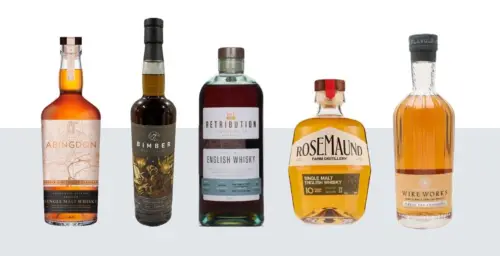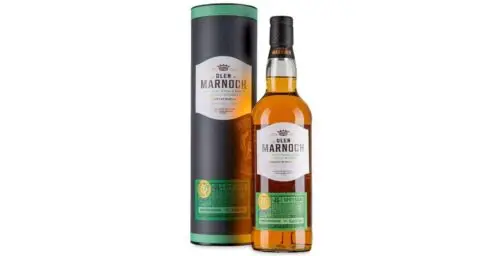
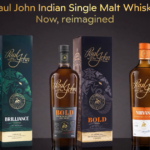

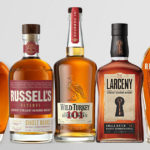



Travel retail, or retail sales within travel environments like airports, cruise ships, and border shops, accounts for up to 13% of all personal spending on luxury goods. We’re talking Burberry scarves, Bose headphones, perfumes, cosmetics, and yes, fine whiskies.

One of the attractions of travel retail is its exemption from local taxes and duties, so sometimes the price of your favorite bottle is a little lower than you’re used to paying. But if you only use travel retail to stock up on discounted Highland Park 10, you’re missing one of the best parts: limited-edition releases.
The travel retail market has proven itself a fertile place for whiskey brands to engage in experimentation, particularly when testing out new concepts or special releases that depart from a brand’s established standard lineup. That’s why serious whisk(e)y enthusiasts look at travel retail as a kind of secret channel of exclusive, one-off, or rare expressions they can’t get their hands on any other way.
Quick whisky question
Single malt is everywhere, but what does it mean? We want to know what the word “single” means to you. Three quick questions, under a minute.
Why do brands use the travel retail channel to release these unusual whiskies? Some think it’s to avoid muddying the brand in mainstream channels; others posit it’s a way to make something feel even more exclusive and hard-to-get. The Drum thinks it’s because travel retail offers something few other environments do: a consumer base that consists exclusively of people who are already primed to spend money, either on vacation (treats!) or business (tax write-offs!).
That all seems true, but let’s not forget the last piece: a captive audience. When the alternative is scrolling aimlessly through your phone or dropping $12 on a mediocre turkey sandwich, shopping for scotch just feels like the right thing to do.
 Latest On The Whiskey Wash