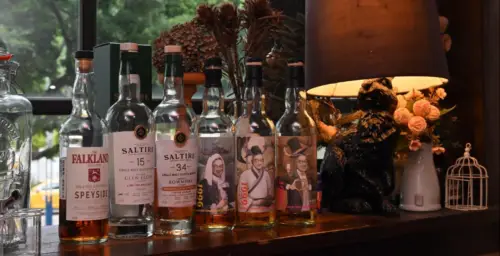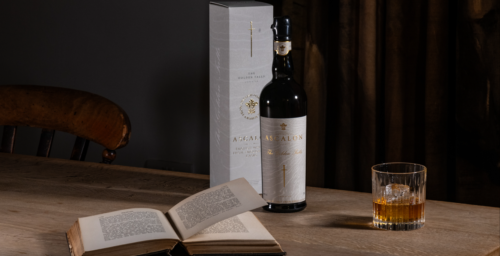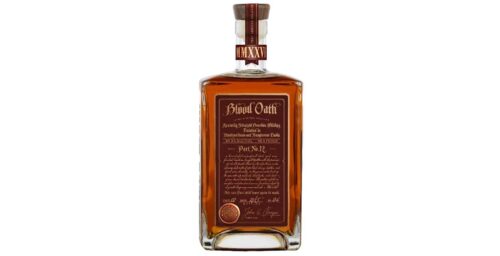
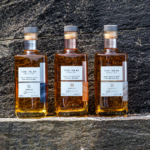
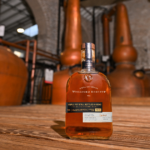


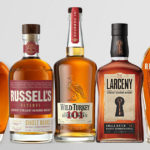



Why is whiskey brown? In general, whiskey is brown because it comes into contact with barrels. Alcohol is a solvent, so it leaches flavor and pigment compounds from the wood it’s aged in. The longer a whiskey spends in a barrel, the darker the color.
Notice I said “in general.” There’s also a big difference in color between whiskey categories due to the types of barrels used for aging, and whether or not caramel coloring is permitted as an additive.

Spirit caramel is not the kind of thing you’d want to pour over your ice cream. Although it’s made from sugar or corn syrup, it’s cooked so heavily that it’s bitter rather than sweet. That might sound like it would make the whiskey taste bad, but taste tests suggest that nobody can actually taste the difference between Scotch whisky that contains spirit caramel and the stuff sold au naturale.
Quick whisky question
Single malt is everywhere, but what does it mean? We want to know what the word “single” means to you. Three quick questions, under a minute.
Why do distillers add caramel coloring? There are two main reasons: because consumers associate darker color with higher quality, and to ensure color consistency between batches. Purists debate whether or not the practice should be encouraged, but for now, caramel coloring is commonplace.
 Latest On The Whiskey Wash