




But recently, many cocktail lounges have taken to pairing the two like crafting any other cocktail, matching the flavor profile of high-end whiskeys with craft brews.
Chances are, the Boilermaker got its name in the mid-1800’s from the men who worked building and repairing the large steam boilers that ran everything from trains to saw mills at the time. During that period, days were quite long and workplaces were generally very hot places to be, so people needed something cool and efficient to relax after the day’s work.
There is also a story of one Richard Trevithick, a blacksmith and engineer from Cornwall, who after a successful trip in a steam-powered automobile, left the boiler lit and accidentally set his local pub’s shed on fire.
Quick whisky question
Single malt is everywhere, but what does it mean? We want to know what the word “single” means to you. Three quick questions, under a minute.
After nearly 200 years, why do we continue to drink Boilermakers – and why are they usually made with whiskey instead of other spirits? It may have something to do with the natural affinity between whiskey and beer. Beer is made from malted barley, fermented into a relatively low alcohol drink and consumed young. Whiskey, for all its complexity, is basically just distilled beer, aged in barrels for color and flavor. The pairing accentuates those nutty, grainy flavors we love in both beer and whiskey.
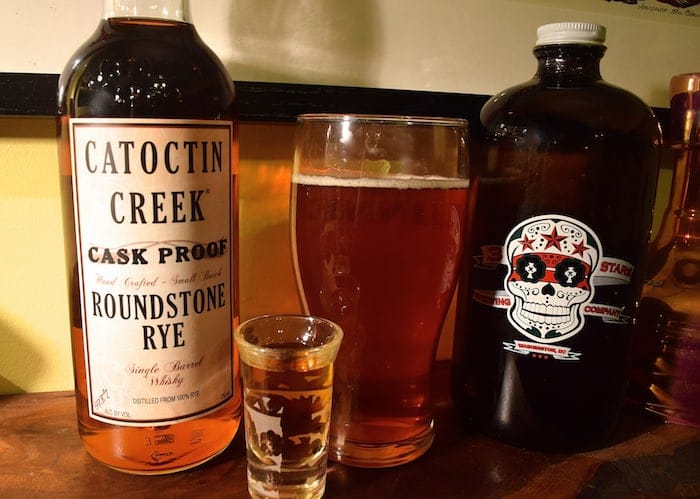
How do you properly drink a Boilermaker? As with all things whiskey, there is some debate. One school of thought calls for one to drop the shot into their beer, then chug. The other common ways are to take the shot and chase or sip the beer, to sip slowly on each, or to mix the two and drink in the normal fashion.
However you drink them, and whichever beer and whiskey pairings you prefer, I’m sure this combination will be ordered in bars around the world for at least another two hundred years.
 Latest On The Whiskey Wash