

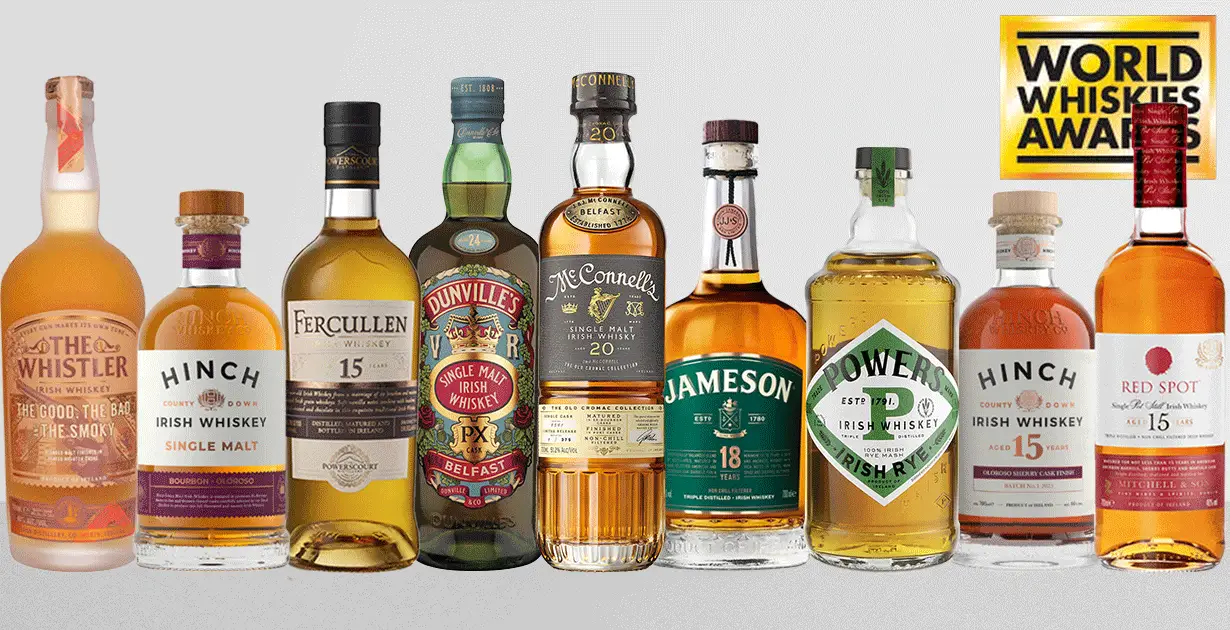
Each year, the results from the World Whiskies Awards provide a useful reference point for how a category is evolving. The Irish winners in 2026 are a good example of that.
There is a clear spread across styles. Blended whiskey still plays a central role, but it sits alongside single pot still, grain, rye, and even new make spirit. That mix reflects how broad Irish whiskey has become in recent years, thanks to its resurgence.
There is also a noticeable balance between established producers and newer distilleries. Some of these bottles come from long-standing systems with deep reserves of aged stock. Others are shaped through cask selection, blending, or process, often without the same maturity behind them.
Quick whisky question
Single malt is everywhere, but what does it mean? We want to know what the word “single” means to you. Three quick questions, under a minute.
So, today we are taking a look at every Irish whiskey winner from each category at the World Whiskies Awards. Let’s dive in.
Jameson 18 Years Old
Award: Best Irish Blended
Tasting Notes: “Soft and inviting with notes of marmalade and vanilla. Pleasant sweet vanilla carries onto the palate. Fingers of fudge abound. Madeira wine, sultana raisins, orange blossom, thyme, honey, vanilla extract, crackling white pepper, citrus marmalade, slight” – WWA Judges
What Will Whisky Look Like in 2027? Voices from Whisky Live Paris
READ THE STORYFind Your Next Bottle: £135 / $170
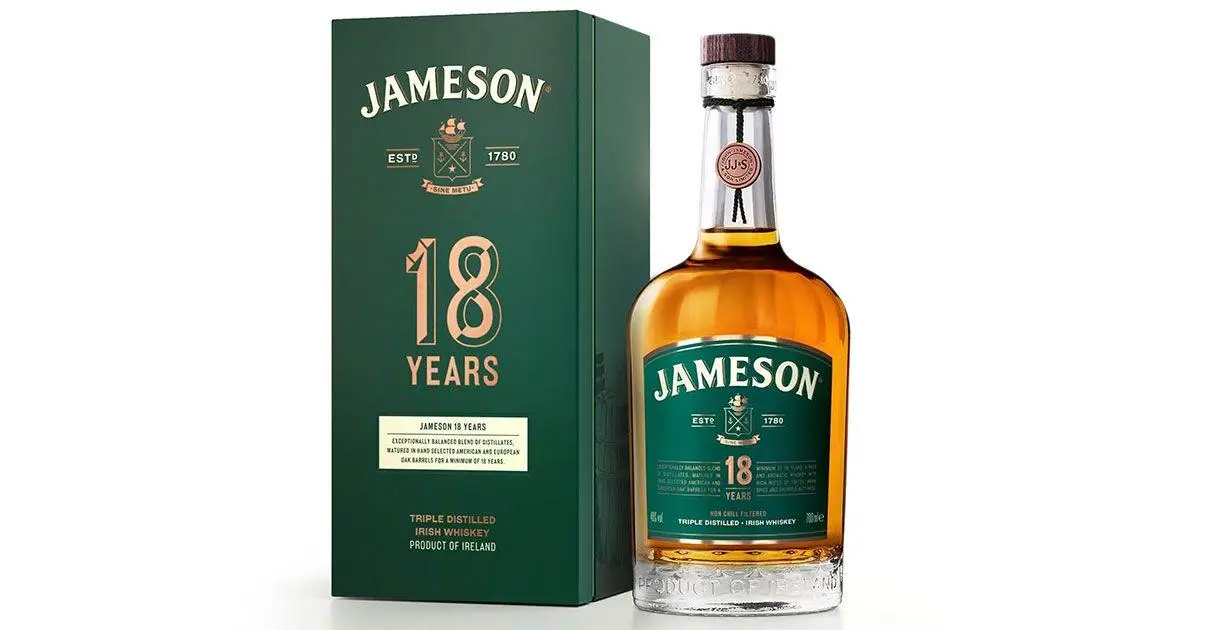
Jameson 18 Years Old is produced by Irish Distillers at Midleton Distillery. Both pot still and grain whiskey are distilled and matured on site before being combined.
The blend is made from multiple distillates that have matured for close to two decades. The brand describes it as a combination of three signature distillates, which are brought together and then rested for a final period in fresh American oak barrels.
Maturation includes a mix of cask types such as ex-bourbon barrels and sherry-seasoned casks. The exact proportions of each component are not disclosed.
It is bottled at 46% ABV and forms part of the permanent Jameson range.
Midleton Distillery is located in County Cork, and is probably the most famous Irish whiskey distillery, producing a number of legacy brands including Midleton Very Rare and Redbreast.
Hinch Irish Whiskey 15 Years Old Sherry Cask Finish
Award: Best Irish Blended Limited Release
Tasting Notes: “Robust, sweet and malty on nose with some toffee and baking spices, pinch of peppery milk chocolate too, lovely mouthfeel with milk chocolate with some oak spice and tannin, warming ginger cake spice, some raisin and toasted coconut, candied orange.”
Find Your Next Bottle: £60 / $75
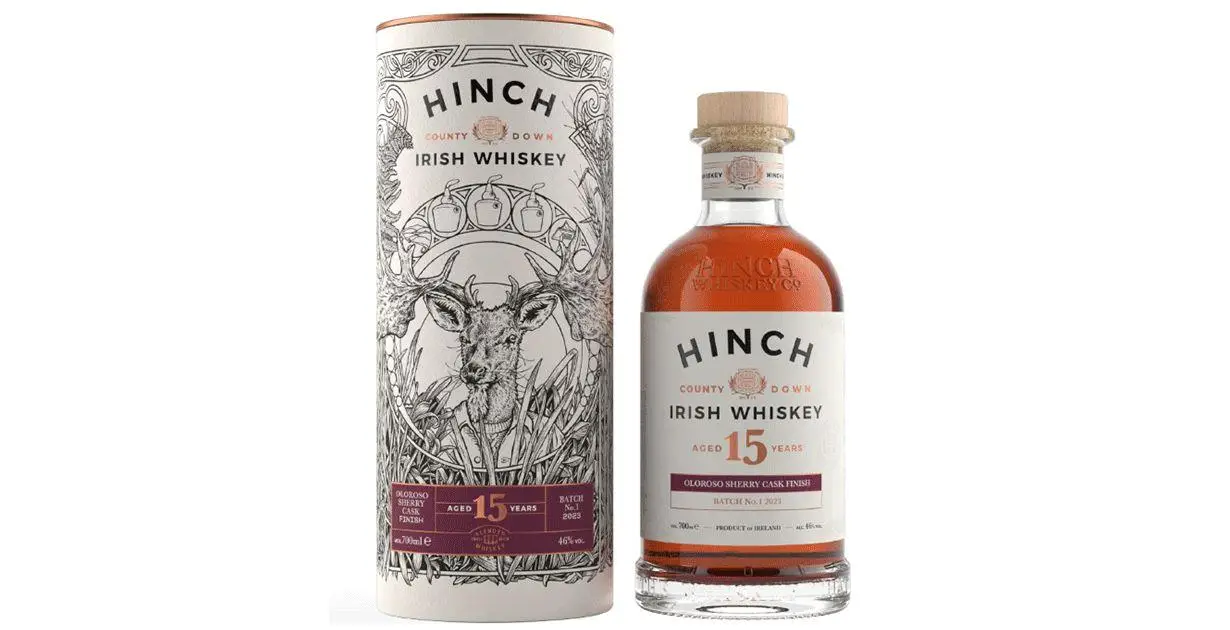
This release is built around clearly defined components, which is unusual for a blended Irish whiskey. Hinch Distillery states that the liquid combines two parcels: a 2003 malt whiskey and a 2008 grain whiskey, both matured separately before blending.
Each component follows a different finishing regime. The malt portion was aged in ex-bourbon casks and then finished for one year in first-fill Oloroso sherry casks. The grain component was also matured in ex-bourbon before spending two years in Oloroso hogsheads.
The distillery itself is based in County Down and represents part of the newer wave of Irish whiskey producers. Early releases have relied on sourced and matured stock, with blending and finishing carried out in-house.
This bottling is released in batches, with limited availability depending on the release cycle.
The Whistler: The Good, The Bad, and the Smoky
Award: Best Irish Blended Malt
Tasting Notes: “Very floral and fruity on nose, hay meadow and green apple with some ripe peach in background, sugary and sweet on palate but with some candied lime, butterscotch and toffee with vanilla sponge cake, late peppery kick with some dry hay and spicy
Find Your Next Bottle: £60 / $75
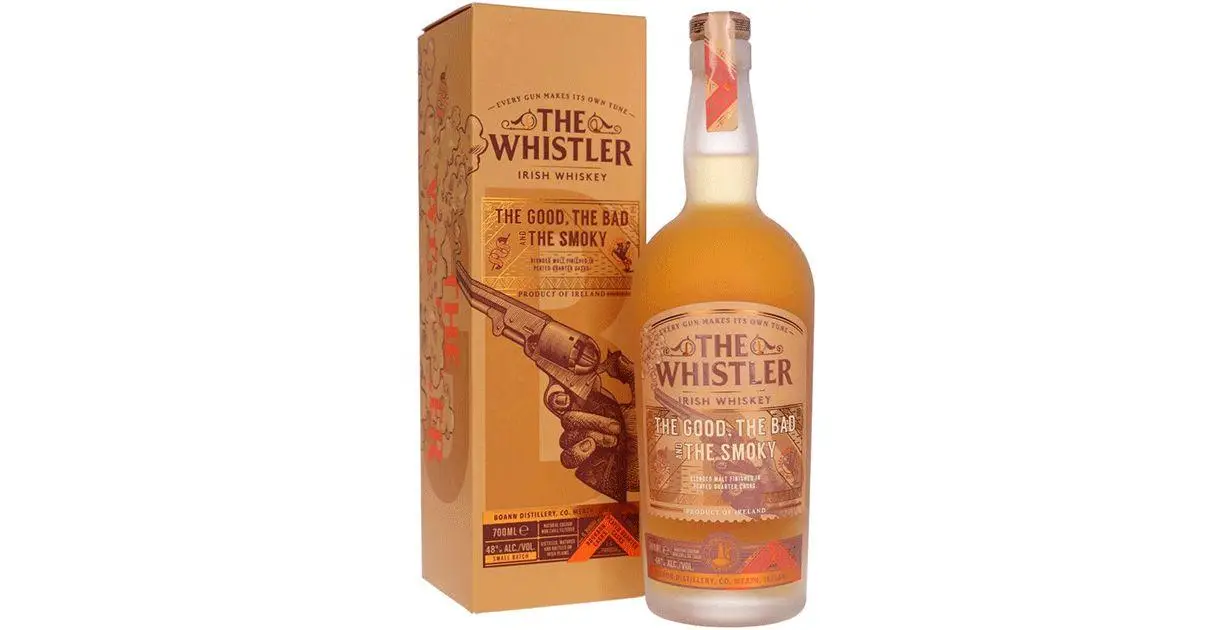
This whiskey is defined by its finishing process. It is matured in ex-bourbon barrels and then moved into 125-litre peated quarter casks for a secondary period of maturation. The use of smaller casks means that the whiskey has increased contact with the wood, imbuing the whisky with sweet smoke from the peated casks.
It is a blended malt, meaning that it is made from single malt whiskeys sourced from more than one distillery. There is no grain whiskey in the composition.
The release is part of The Whistler range from Boann Distillery. The brand was established before Boann’s own distillate had matured, so the whiskey is sourced and then blended and finished by the distillery.
It is bottled at 48% ABV, non-chill filtered, and presented at natural colour.
Boann Distillery is a family-owned operation founded in 2016 by the Cooney family. Located in County Meath, the distillery also has a focus on sustainability, using a closed-loop water system and solar panels for energy.
Fercullen 15 Year Old
Award: World’s Best Grain / Best Irish Grain
Tasting Notes: “Very floral, intense ripe fruit, nearly tropical, smooth spices like vanilla and milk chocolate palate. Turkish delight, white chocolate, macadamias layered well. Super expressive with clear intention. Medium body, silky mouthfeel. Gentle pucker remains.”
Find Your Next Bottle: £69 / $91
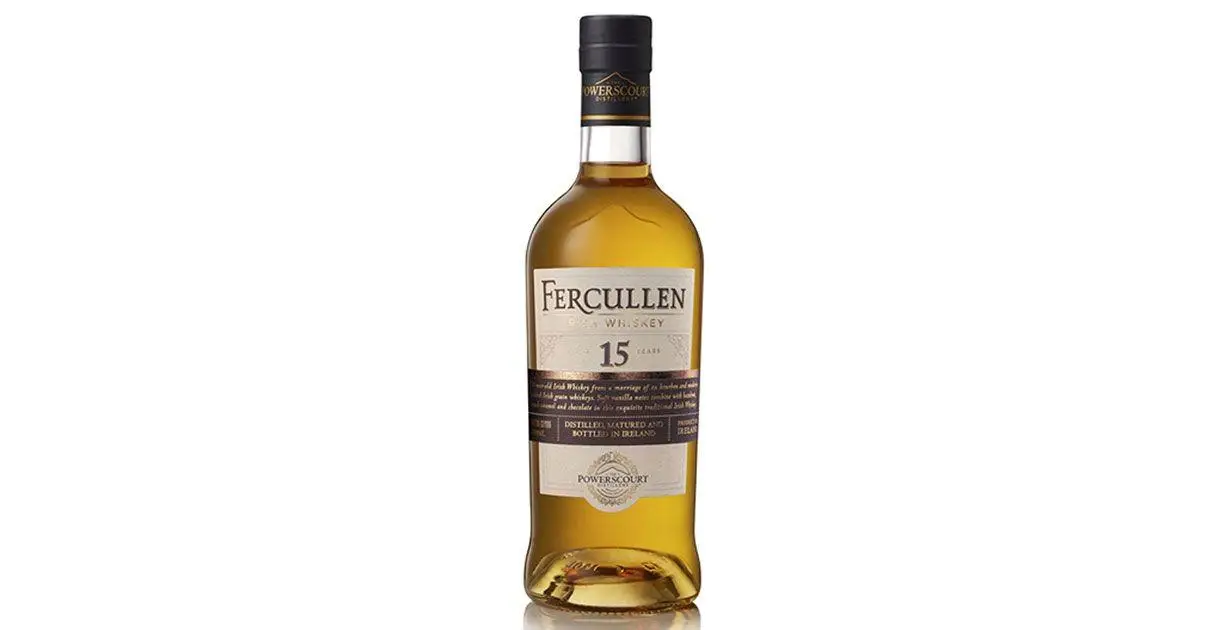
Fercullen 15 Year Old is a single grain Irish whiskey produced by Powerscourt Distillery. The distillery began production in 2018 and selected mature stocks to support early releases while its own spirit ages.
The whiskey is distilled from a mash of corn and malted barley. It is initially matured for 15 years in first-fill ex-bourbon barrels. A portion of the liquid is then finished in second-fill Madeira casks before the final blend is assembled.
It is bottled at 41.5% ABV, non-chill filtered, and presented at natural colour.
The use of Madeira casks forms part of the production process, alongside the extended maturation in bourbon barrels.
Powercourt Distillery was, to the delight of many Irish whiskey fans, saved from receivership earlier this year by Altiva Management Inc. The distillery is located in County Wicklow.
Copeland Distillery Double Distilled Chocolate Malt
Award: Best Irish New Make
Tasting Notes: “A wide selection after aromatics and flavours, appropriate sweetness and plenty of spicy savoury and malty notes. Creamy with a red berry fruitiness on the nose, black pepper too. Beautiful toasted hazelnut notes with an echo of spice on the finish.”
Find Your Next Bottle: N/A
This is a new make spirit, so there is no maturation involved. The focus is entirely on how the spirit is produced. It comes from Copeland Distillery, a coastal distillery that has been developing its whiskey programme alongside gin and rum.
The mashbill includes around 90% malted barley and 10% chocolate malt. That addition is taken from brewing and is used here as part of the distillery’s approach to flavour creation.
The spirit is double-distilled. Fermentation is reported to run for significantly longer than typical industry norms, with extended periods used to develop flavour before distillation.
This release is not a standard retail bottling. Rather, it forms part of Copeland’s internal cask programme, where different spirit styles are produced and filled for future maturation. So, unfortunately, it does not look like you can simple this spirit for yourself.
Red Spot Irish Whiskey
Award: World’s Best Pot Still / Best Irish Pot Still
Tasting Notes: “There is a slight leather note on the nose. With a very chocolate-forward palate, in particular the sweetness, like eating a chocolate cake or sticky toffee pudding.”
Find Your Next Bottle: £115 / $180
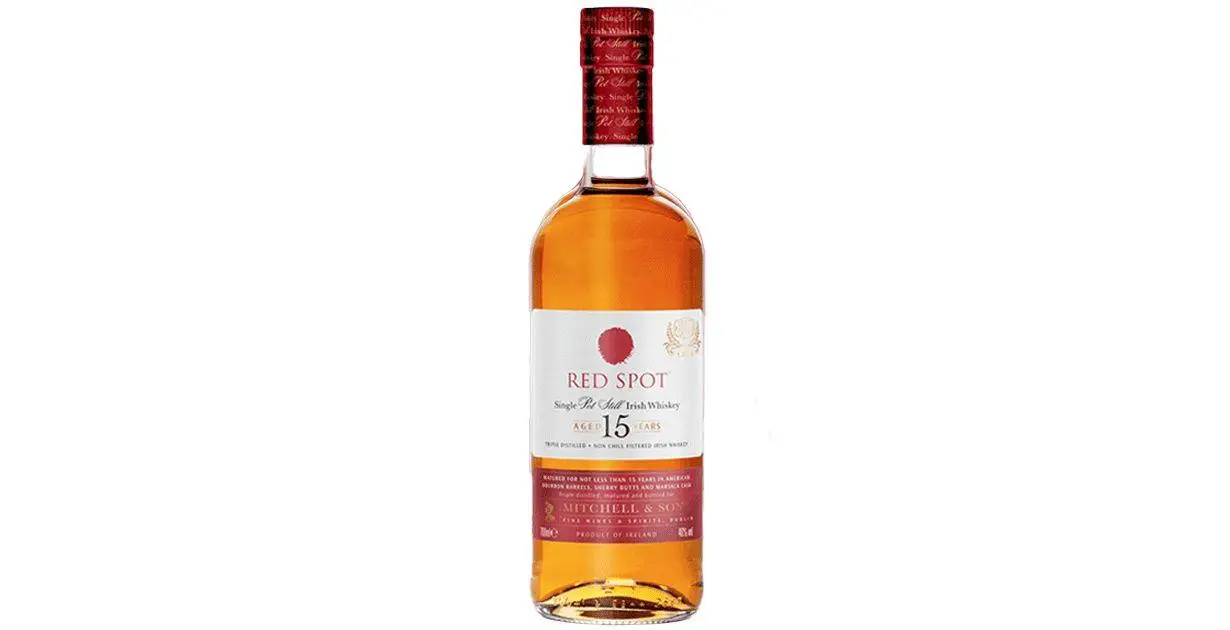
Red Spot is part of the Spot whiskey range, which traces its origins to Mitchell & Son. The modern version is produced at Midleton Distillery, where single pot still whiskey continues to be distilled and matured.
The style is defined by its mashbill, which combines malted and unmalted barley and is distilled in copper pot stills. Red Spot is triple distilled and matured for a minimum of 15 years.
Maturation takes place across a combination of casks. These include ex-bourbon barrels, Oloroso sherry butts, and Marsala wine casks sourced from Sicily. The use of Marsala is part of the production process and was planned years in advance, with casks filled in the early 2000s.
It is bottled at 46% ABV and forms part of the core Spot range.
Power’s Irish Rye
Award: Best Irish Rye
Tasting Notes: “Coffee cake, banana skin and toffee honey nut cereal on the nose. The palate is pleasant with lots of fruit and nut chocolate. The finish is balanced with caramel and herbal spiciness.”
Find Your Next Bottle: £29 / $35
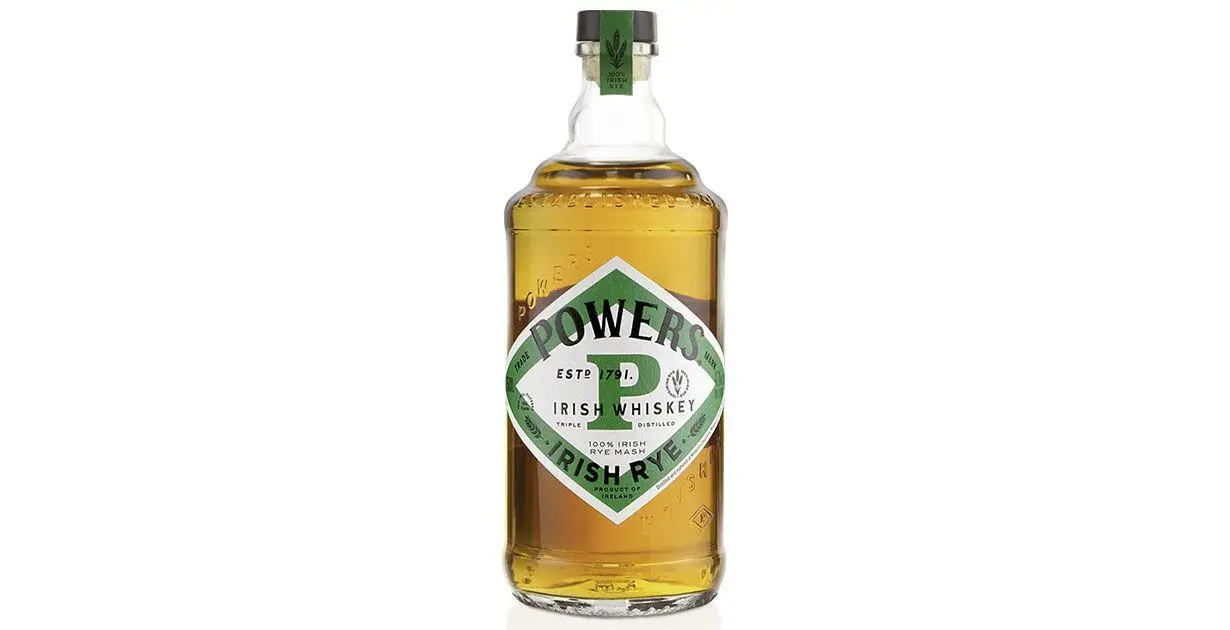
Power’s Irish Rye is built around a mashbill that is unusual for Irish whiskey. The distillery states that it uses 100% Irish rye, placing the grain at the centre of the production process.
The whiskey is matured in American oak casks. The range includes a mix of cask types such as virgin oak, first-fill, and refill barrels, which are used during the ageing process. Independent retailers reference this combination as part of the maturation approach.
It was developed by Irish Distillers and released in 2023. The whiskey is bottled at around 43% ABV and is positioned as a permanent addition to the Power’s range.
Production takes place within the Midleton system, where rye is used alongside more traditional Irish whiskey styles like those of Redbreast and Jameson. Just another example of how much Midleton tends to dominate the Irish whiskey scene.
McConnell’s Irish Whiskey 20 Year Old Old Cromac Collection
Award: Best Irish Single Cask Single Malt
Tasting Notes: “Lightly spiced sugar cookies on the nose and puff pastry and some lemon peel citrus. Palate carries quite a lot of tannins from the wood, overpowering some of the more delicate parts of the profile. With water, some of the sweetness from the char comes through.”
Find Your Next Bottle: £300 / $375
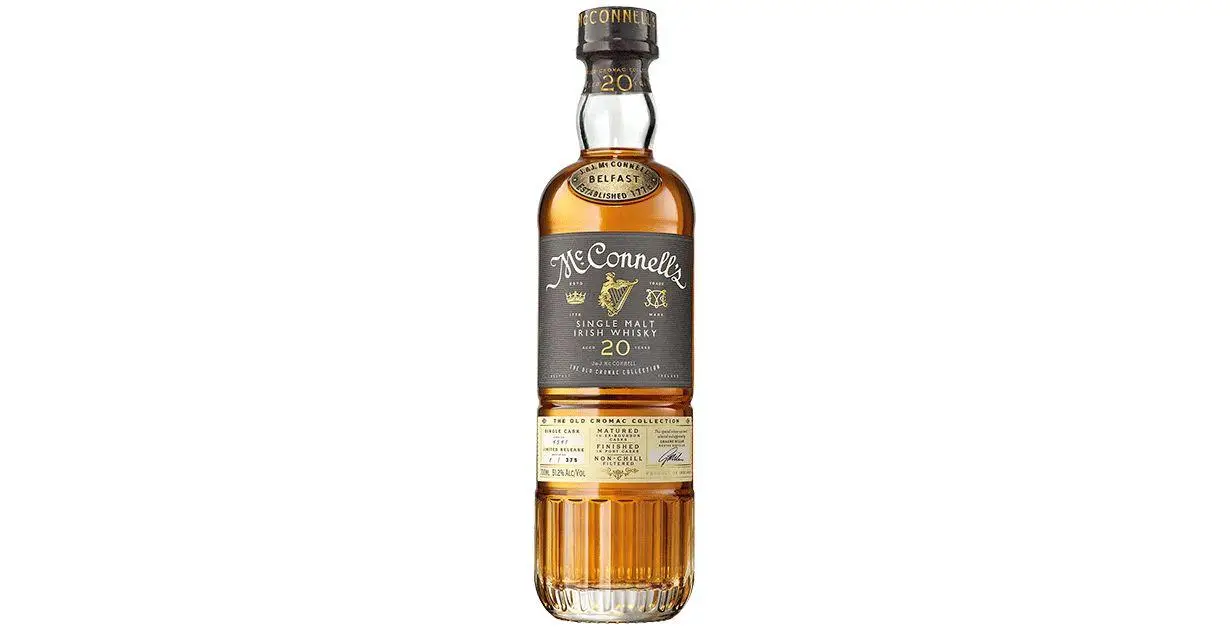
This release is part of the Old Cromac Collection, a series of single cask bottlings from McConnell’s Distillery. The brand itself dates back to the late 18th century and has recently been reintroduced, with a new distillery opened at Crumlin Road Gaol.
The whiskey is matured for 19 years in ex-bourbon casks before spending a further year in Tawny Port casks. It is drawn from a single cask, which means each release is tied to a specific cask number and bottled without blending across multiple casks.
Bottling strength can vary depending on the cask. The World Whiskies Awards entry lists an ABV of 55%, while individual releases have been presented at natural cask strength.
Dunville’s Irish Whiskey PX 24 Years Old Single Malt
Award: Best Irish Single Malt
Tasting Notes: “Lovely aromas of fresh orange and caramel working to a barley sugar note on the nose, fresh fig and raisins on the palate with a little light warm prickle from the alcohol. Nice length with notes of caramel and honey dew melon.”
Find Your Next Bottle: Coming soon
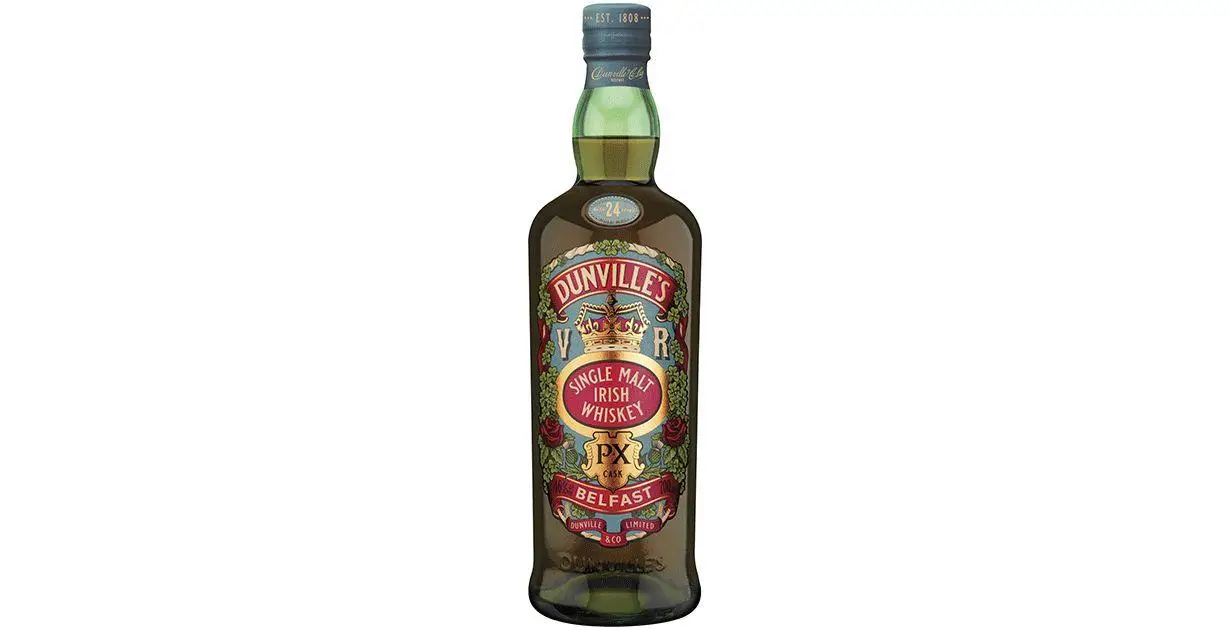
Dunville’s PX 24 Years Old is a single malt produced by The Echlinville Distillery, which has revived the Dunville’s name after decades of inactivity. The brand itself dates back to the early 19th century.
The whiskey carries a 24-year age statement. It appears that this is an upcoming release, so information is limited at the moment. But, according to Huntsmanheritage.com, the whiskey is entirely matured in PX.
Other releases in the Dunville’s range show a similar approach, with extended periods spent in sherry casks, including PX, during maturation.
Dunville’s Irish Whiskey traces its roots back to 1808 in Belfast. Production halted in 1936, but the brand was later revived by The Echlinville Distillery.
Hinch Irish Whiskey Single Malt
Award: Best Small Batch Single Malt
Tasting Notes: “Lots of vanilla fudge and caramel which masks the fruit. Soft and fruity nose with some grain character peeking around the edges. Palate is creamy with fruit crème and lightly spicy grain. Nicely balanced sweetness comes through on the finish.”
Find Your Next Bottle: £32 / $40
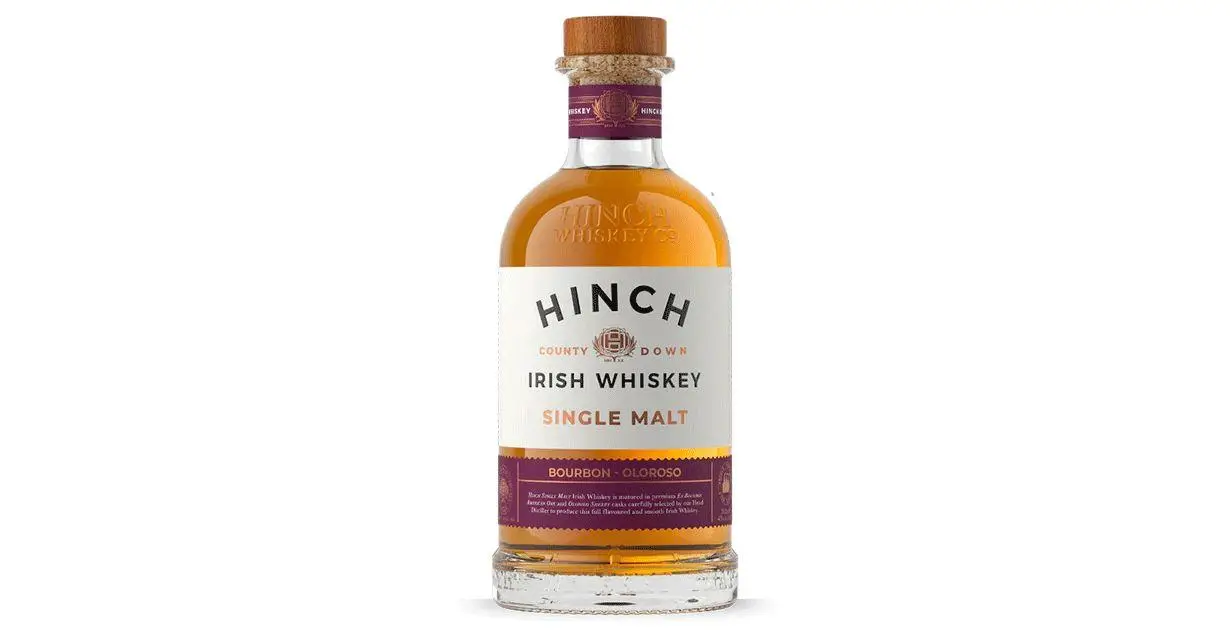
Another entry from Hinch Distillery. The distillery is based in County Down and represents a newer entrant in the Irish whiskey category, with releases built around a combination of sourcing and in-house production.
The whiskey is matured in ex-bourbon American oak and Oloroso sherry casks. These casks are selected as part of the distillery’s standard maturation programme for its single malt.
It is bottled at 43% ABV. The World Whiskies Awards entry lists it within the small batch category, which reflects how it is produced and released.
The distillery has continued to expand its single malt range under the direction of Head Distiller Emma Millar, with a focus on defining a consistent house style.
A Category Still Evolving
The results reflect how far Irish whiskey has come in recent years. The revival of the category has brought back traditional styles such as single pot still, while also opening the door to grain, rye, and a wider range of cask-led releases.
Producers are now working across different styles and formats, and consumers are drinking across them too. Blends still play a central role, but they now sit alongside a broader mix of approaches that would have been far less visible not long ago.
Have you tried any of this year’s winners? And were there any bottles you expected to see take the top spots instead?
 Latest On The Whiskey Wash