






The World Whiskies Awards 2026 has announced its Speyside single malt winners, and as ever, the names are familiar, even if the exact bottles are not always what you might expect.
There is a bit of everything here. Well-known distilleries, a mix of core range and more specialised releases, and one result in particular that stands out straight away. The overall winner is not an old, rare, or especially expensive whisky. It is something many people will have seen on supermarket shelves without thinking twice.
So, today we’re going to take a look at the best whiskies from Speyside according to the World Whiskies Awards 2026.
What Will Whisky Look Like in 2027? Voices from Whisky Live Paris
READ THE STORYBefore getting into the details, it is worth asking. Do you agree with these results? And is there anything you would have expected, or simply liked, to see here instead?
The Glenlivet Founders Reserve
Award: Best Scotch Speyside Single Malt
Tasting Notes: “Red apples, pears, vanilla sponge cake and a hint of jam and white pepper on the nose. The palate has more red apples, poached pears, gentle spice wit boiled pear sweet drops and vanilla fudge.” – WWA Judges
 Trending Content


Find Your Next Bottle: $33
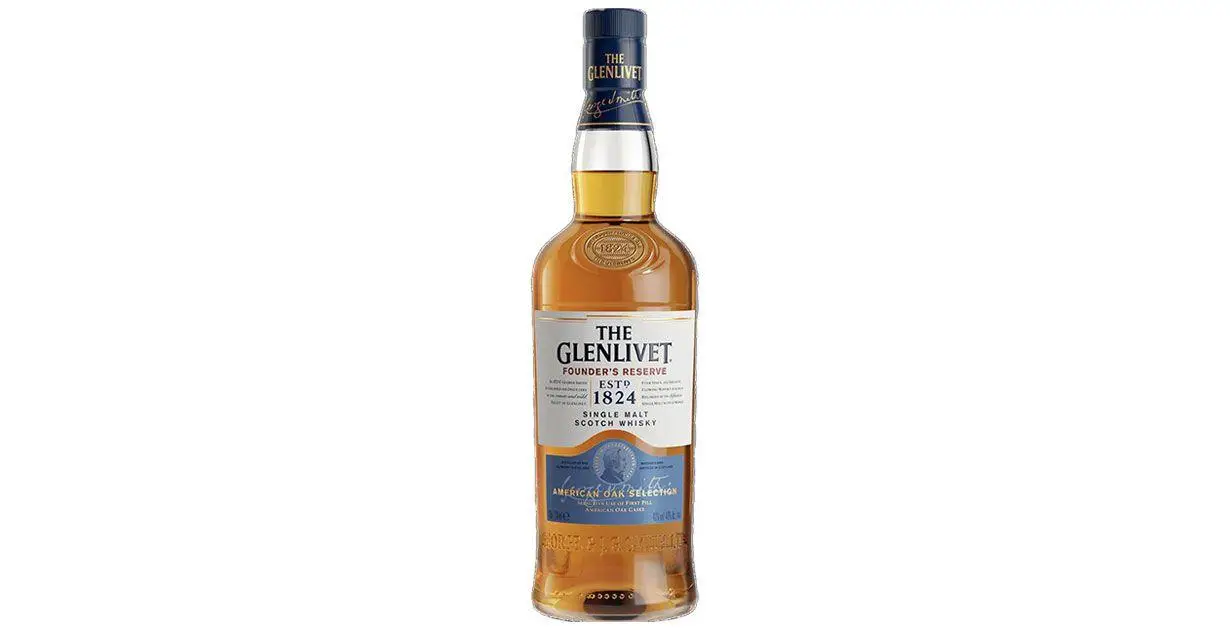
It is hard to ignore this one. The winner here is the entry-level expression from The Glenlivet, a whisky that is widely available, inexpensive, and often seen as a starting point. Most people would instinctively look further up the range, perhaps to something like the 15 Year Old, when thinking about the distillery at its best.
Founder’s Reserve is built around a very deliberate house style. Fermentation takes place in traditional washbacks for around two days, creating a clean, fruit-led wash that is then distilled in the distillery’s tall, lantern-shaped copper stills. This setup encourages a lighter, more elegant spirit, with those familiar notes of apple, pear, and soft vanilla coming through clearly.
The whisky is matured in a mix of traditional oak and first-fill American oak casks, chosen to enhance sweetness and texture without overwhelming that core fruit character. The result is a whisky that feels super easy-going, which makes its success here all the more notable.
It may not be the bottle enthusiasts reach for first, but it is one that almost anyone can pick up and enjoy, and that clearly counts for something.
Glenfarclas 25 Year Old
Award: Gold
Tasting Notes: “Treacle, oats, vanilla, apple, baking spices and caramel on the nose. The palate has more apple crumble, Christmas spices and dried fruits with candied orange, cedarwood and praline with a short sweet finish.” – WWA Judges
Find Your Next Bottle: $250
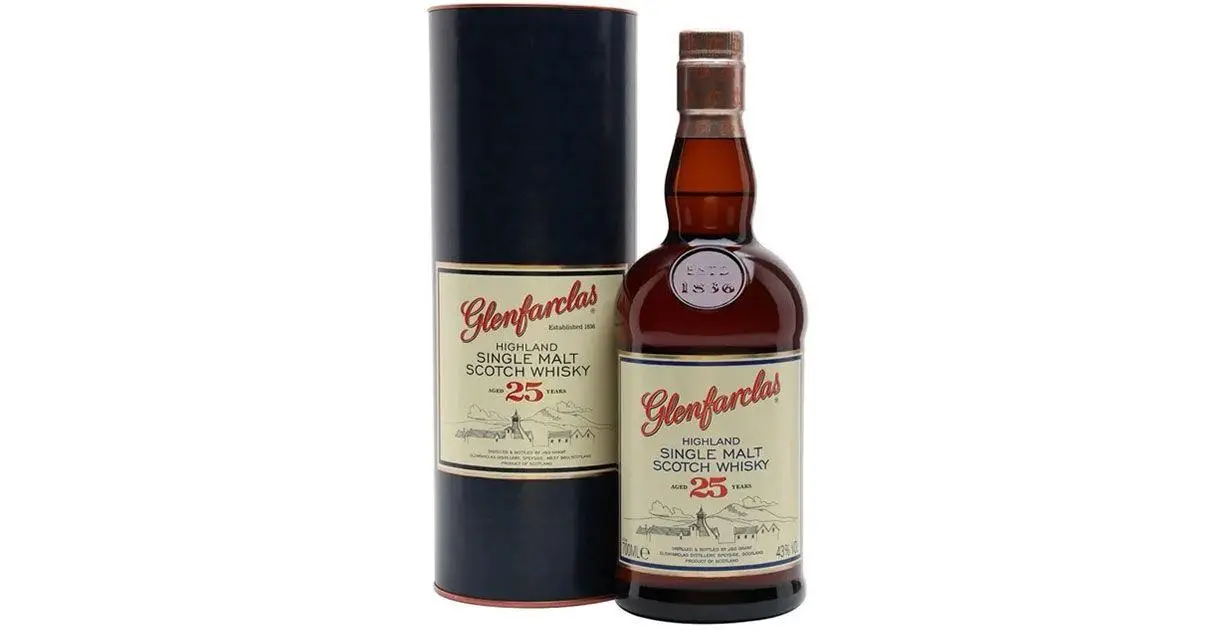
If the Glenlivet result raised a few eyebrows, this one feels more familiar. Glenfarclas has long been associated with a particular way of doing things, and the 25 Year Old sits right at the heart of that.
The distillery remains in the hands of the J&G Grant family, who have owned and managed it since the 19th century.
Glenfarclas still uses direct-fired stills, a method that has largely disappeared elsewhere, and continues to focus heavily on sherry cask maturation. European oak casks seasoned with Oloroso sherry form the backbone of the house style, bringing depth, richness, and dried fruit character.
The 25 Year Old is not a limited release or a one-off. It has been a core part of the range for years, which makes its presence here all the more satisfying. It is a nice reminder that consistency, patience, and a clear identity can still carry real weight.
It is not inexpensive, but in the context of 25-year-old whisky, it has always sat at a more approachable end of the spectrum.
The GlenAllachie The Sinteis Series Part II: 2015 Scottish Virgin Oak & Oloroso Sherry Cask Matured
Award: Gold
Tasting Notes: “On the nose, caramelised pear. Grain comes through – toasted oats, cooked pastry. Deep spice evolves – cinnamon. Throughout, cooked pear and apple. With water, softer notes of vanilla and butter come out. Palate is smooth, and really spiced and interesting.” – WWA Judges
Find Your Next Bottle: $101
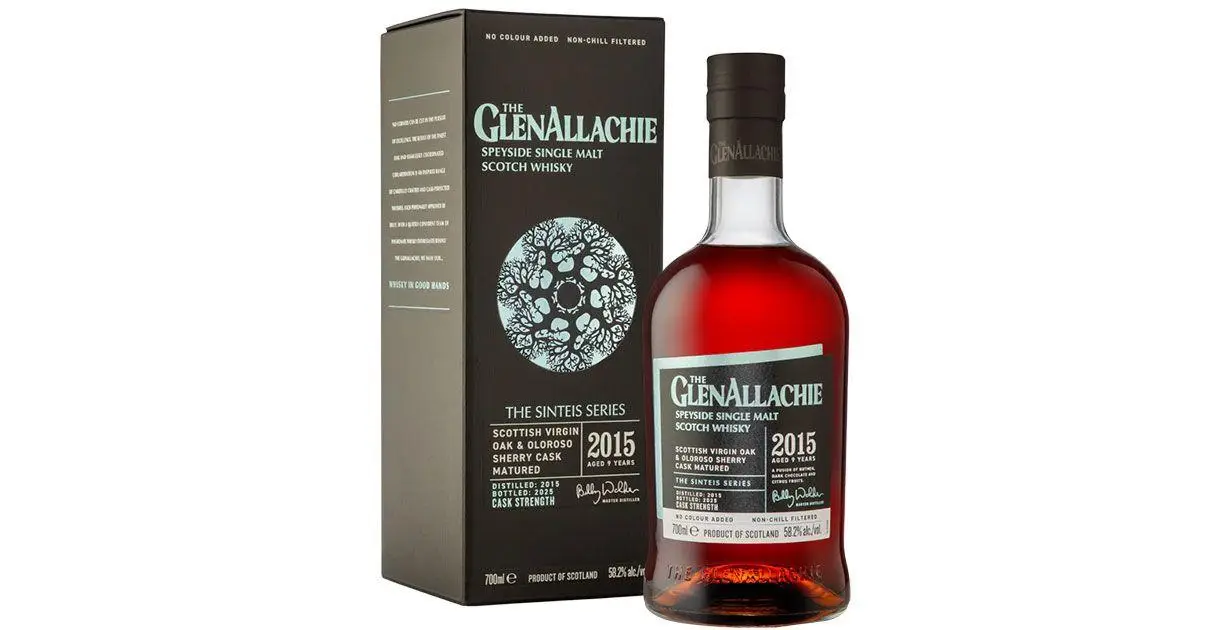
Few will be surprised to see The GlenAllachie Distillers Company on this list. Over the past few years, the distillery has built a reputation for producing bold, characterful whiskies, and it has been enjoying a particularly strong run. Its 12 Year Old took World’s Best Single Malt at the previous awards, which has only added to the momentum.
The Sinteis Series is where that confidence really shows. This release brings together spirit matured in Oloroso sherry casks with whisky aged in Scottish virgin oak, a combination that pushes both sweetness and spice to the forefront.
The spirit itself is produced using long fermentation, around 160 hours, which helps build a richer, more complex base before it even reaches the cask.
This is very much a whisky designed to showcase intensity and texture. It is not part of the core range, but a limited series built around specific cask ideas, and it feels like a distillery fully comfortable experimenting with what it has.
Sinteis (pronounced ‘sin-teesh’) means ‘synthesis’ in Scottish Gaelic, and here refers to the combination of the sherry and virgin oak casks.
The GlenAllachie Masters of Wood: 17 Year Old Mizunara Virgin Oak & Oloroso Sherry Cask Matured
Award: Gold
Tasting Notes: “Salted caramel, milk chocolate, shortcrust pastry with sweet raisins and mocha on the nose. The palate has spun sugar, raisins, figs and dried apricots with warming baking spices.” – WWA Judges
Find Your Next Bottle: $353

Alongside the Sinteis release, this is another example of The GlenAllachie Distillers Company exploring what can be done with wood, but in a slightly different way.
This 17 Year Old combines Oloroso sherry casks with Mizunara oak, a rare Japanese oak that is still relatively uncommon in Scotch whisky. It is known for adding distinctive notes of spice, sandalwood, and incense, and it is not the easiest material to work with, thanks to its porosity. Getting that balance right takes time, particularly when paired with a spirit that has already spent many years maturing.
The underlying spirit is shaped by long fermentation, which helps build a fuller, more textured base before it even reaches the cask. From there, the influence of the wood is carefully managed under the direction of Billy Walker, whose approach to cask selection and finishing has become a defining feature of the distillery.
This sits firmly in the more premium end of the range, and it feels like it.
The Glenlivet 21 Year Old
Award: Gold
Tasting Notes: “Burnt caramel, dried fruits, baked cakes, marmalade and red berries on the nose. The palate has sweet spice with white pepper, baking spices, cinnamon, ginger and vanilla sweetness with a warming finish.” – WWA Judges
Find Your Next Bottle: $260
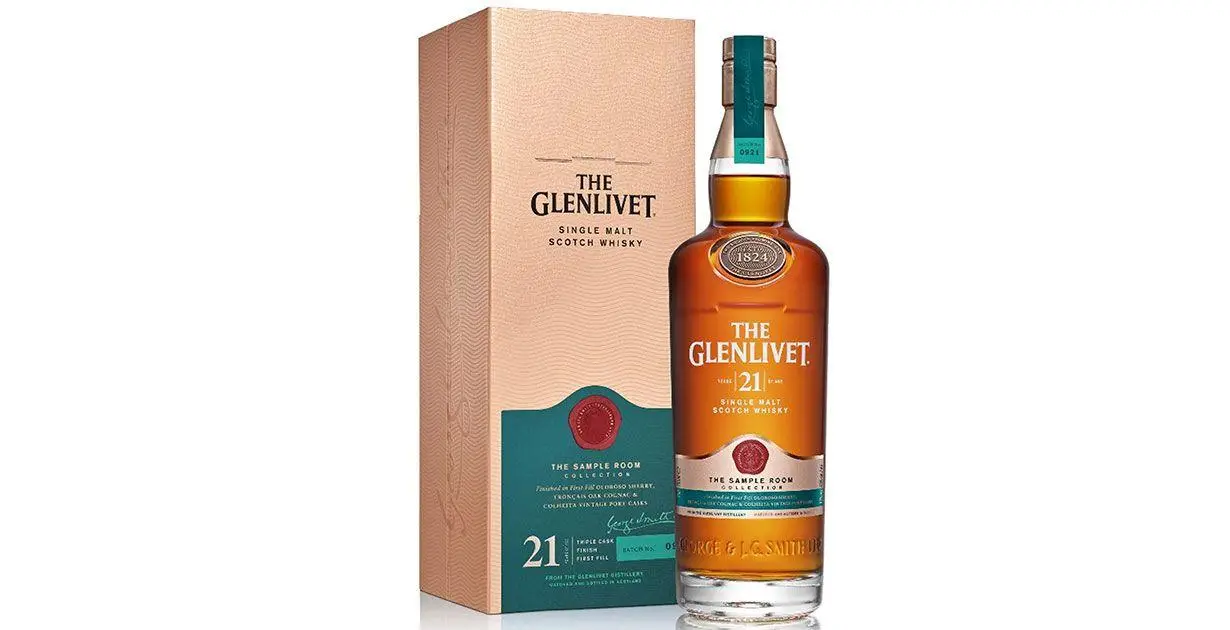
This is perhaps the bottle many would have expected to see from The Glenlivet in a list like this. While Founder’s Reserve takes the headline, the 21 Year Old sits much closer to what people typically associate with award-winning whisky.
The spirit begins in the same way as the rest of the range, with a clean, fruit-forward style shaped by relatively short fermentation and distillation in the distillery’s tall copper stills. That lighter profile provides a consistent base, which becomes more layered as it matures.
Where this expression really develops is in its finishing. After its initial maturation, the whisky is brought together from casks that have held Oloroso sherry, Cognac, and Colheita port. Each contributes something different, from dried fruit and spice to richer, more rounded sweetness.
It is released in smaller batches, with each cask selected at the point it is ready. The result is a whisky that feels more composed and developed, offering a different perspective on the same distillery character seen in the Founder’s Reserve.
Glen Moray Smoky 12 Year Old
Award: Gold
Tasting Notes: “Honey, orange blossom, rhubarb and custard, baked apples and white pepper on the nose. The palate has vanilla cream, honey, leather with a whiff of smoke. The finish is long with sweet marzipan and smoke.” – WWA Judges
Find Your Next Bottle: $59
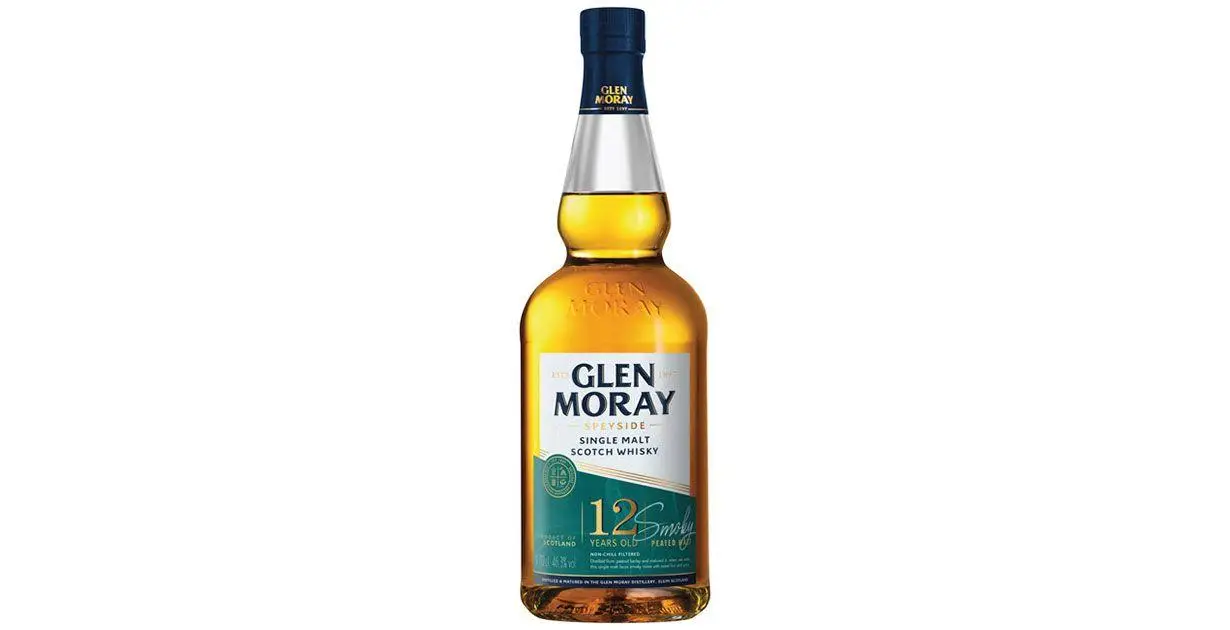
This is the one that stands out on the list. A peated whisky from Glen Moray is not something you see recognised all that often, and it brings a different angle to the usual idea of what Speyside looks like.
The distillery itself has a long history, dating back to the late 19th century, and has built a reputation for working with a wide range of cask types and styles. In this case, the difference begins with the barley, which is dried over peat to introduce that smoky element before distillation.
From there, the whisky follows a more familiar path. Fermentation runs for around 60 hours, producing a clean, slightly fruity wash, which is then distilled and matured for 12 years in a combination of American and European oak casks.
It is part of the core range rather than a one-off release, and it feels like a confident addition.
Expected Names, Unexpected Bottles
There is a nice mix here. Some results feel exactly as you would expect, others a little less so.
The bigger names are all present, but not always in the form you might have predicted. The Glenlivet takes the top spot with its most accessible bottle, while its older, more complex 21 Year Old sits further down the list.
Glenfarclas continues to do what it has always done, and is recognised for it. The GlenAllachie Distillers Company appears twice, which will not surprise many given how strong its recent releases have been. And Glen Moray brings something slightly different with a peated whisky that earns its place.
There are also plenty of producers you might have expected to see who are not here at all, which is always part of the conversation with awards like this.
So, what do you think? Do these results feel right? And what would you have swapped in or out?