


Rye whiskey has come a long way. For much of the 20th century it was an afterthought, as American drinkers reached for bourbon and lighter blends, and the grain that built the early whiskey trade in Pennsylvania and Maryland nearly vanished from store shelves. Over the past two decades it has found its audience again, helped along by bartenders who wanted its spice and structure in classic cocktails.
By law, an American rye has to be made from a mash of at least 51% rye. That single rule covers a wide range of styles, from grassy and peppery to rich and full of baking spice, depending on the grain recipe, the barrels, and the time spent in the warehouse.
The International Spirits Challenge is one of the more respected competitions in the drinks world. Now in its 31st year, it judges every entry blind, with panels of distillers, blenders, and buyers. At the 2026 awards rye showed up well, with nine bottles taking home Gold.
Quick whisky question
Single malt is everywhere, but what does it mean? We want to know what the word “single” means to you. Three quick questions, under a minute.
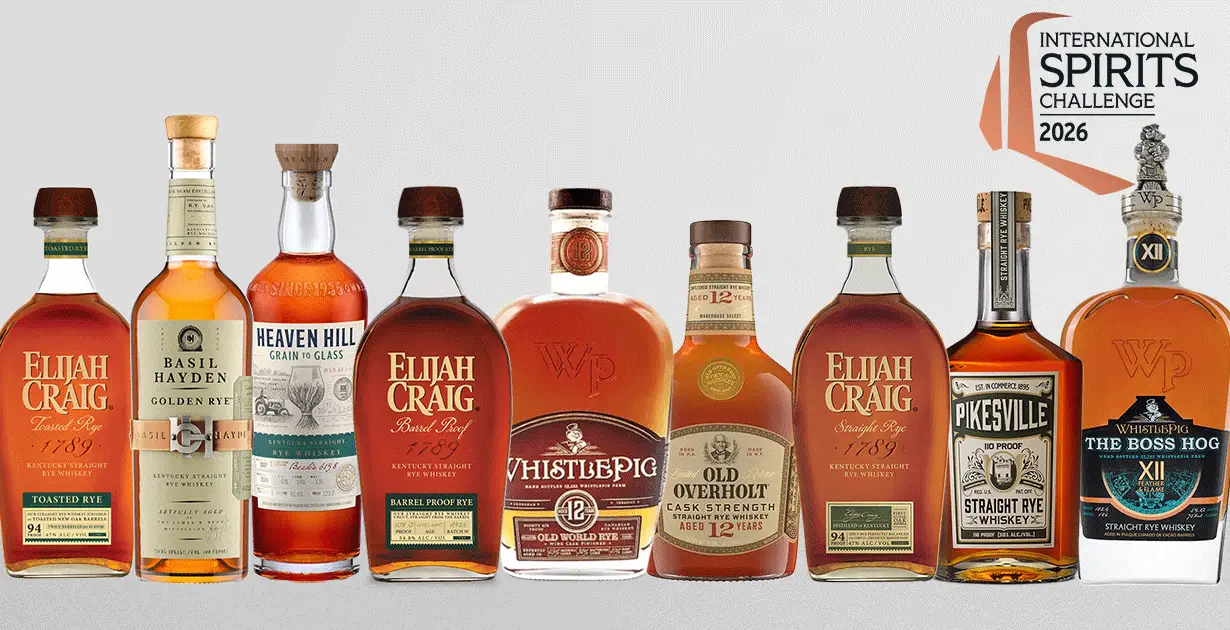
Here are the nine rye whiskeys that earned Gold at the 2026 International Spirits Challenge.
Basil Hayden Golden Rye
Medal: Gold
Tasting Notes: Toasted rye, warm spice, sweet vanilla, cinnamon, toasted rye bread, delicate florals
What Will Whisky Look Like in 2027? Voices from Whisky Live Paris
READ THE STORYFind Your Next Bottle: $35 / £28
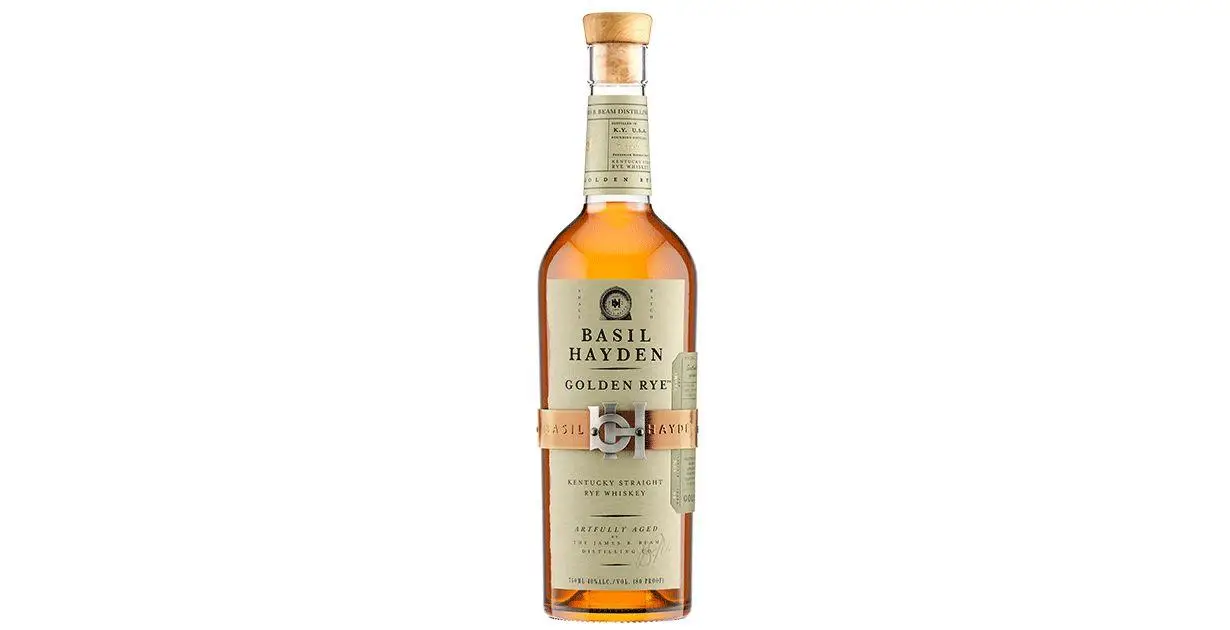
Basil Hayden was created in 1992 by Booker Noe, the grandson of Jim Beam, as part of the brand’s Small Batch Bourbon Collection. It takes its name from Meredith Basil Hayden Sr., a Maryland farmer and distiller who settled near Bardstown in the 1780s and favored high-rye recipes.
Golden Rye is made by Suntory Global Spirits at the James B. Beam Distillery in Clermont, Kentucky, from a mash of 100% malted rye. Malting the grain before fermentation gives the whiskey a softer, more floral character than most ryes, and the result is bottled at a gentle 80 proof.
It arrived in 2026 as part of a reworked Basil Hayden lineup, stepping in for the older Malted Rye expression and anchoring the brand’s core tier. Easy to drink and easy to find, it works neat, over ice, or in a cocktail.
Elijah Craig Rye
Medal: Gold
Tasting Notes: Orange peel, cherry, candied citrus, caramel, cinnamon, black pepper
Find Your Next Bottle: $20 / £40
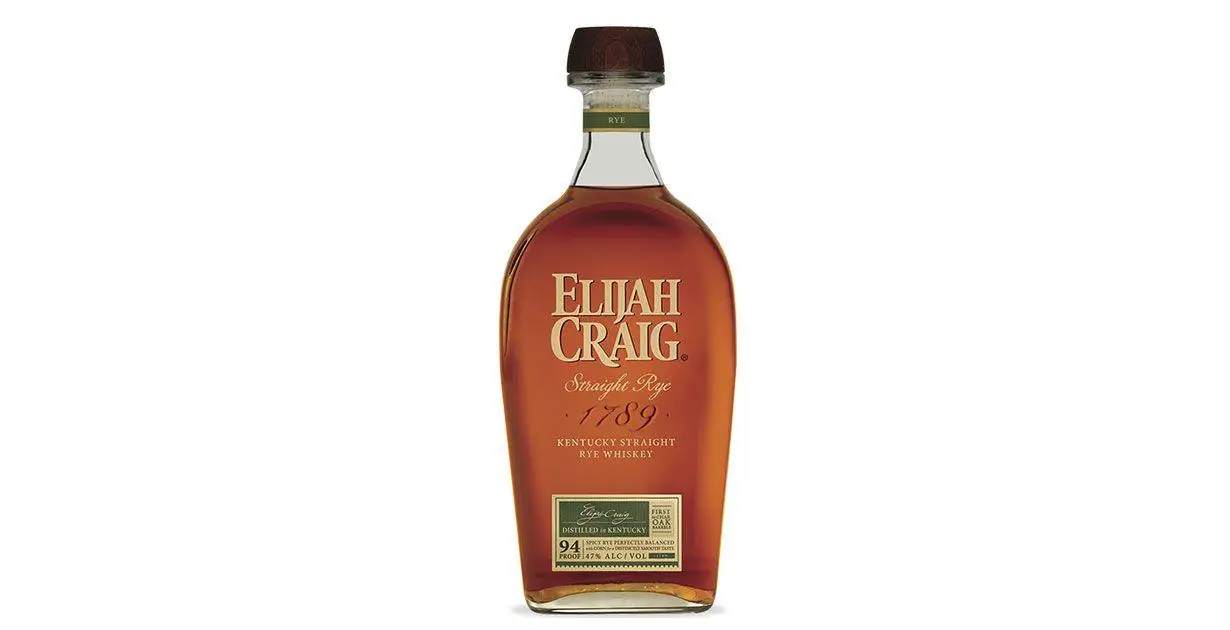
Heaven Hill built this one on its classic Kentucky rye recipe: 51% rye, 35% corn, and 14% malted barley, distilled at the Bernheim Distillery in Louisville. That mash sits right at the legal minimum for rye, with enough corn to round off the edges, which is why the whiskey can come across as smoother and more approachable than ryes built on a higher rye grain percentage.
It carries no age statement but is marketed as extra-aged, and it lands at 94 proof.
The Elijah Craig name dates to 1986 and honors the Baptist preacher often credited, with some dispute among historians, as the first to char oak barrels for aging whiskey.
The rye is a relative newcomer to the family, introduced in 2020 and rolled out across a handful of states before going wider. Heaven Hill positions it as a cocktail rye, and it makes a solid Manhattan. At around $30, it is one of the easier bottles here to keep on the shelf.
Pikesville Straight Rye Whiskey
Medal: Gold
Tasting Notes: Cherry, vanilla, caramel, brown sugar, baking spice, licorice
Find Your Next Bottle: $42 / £79
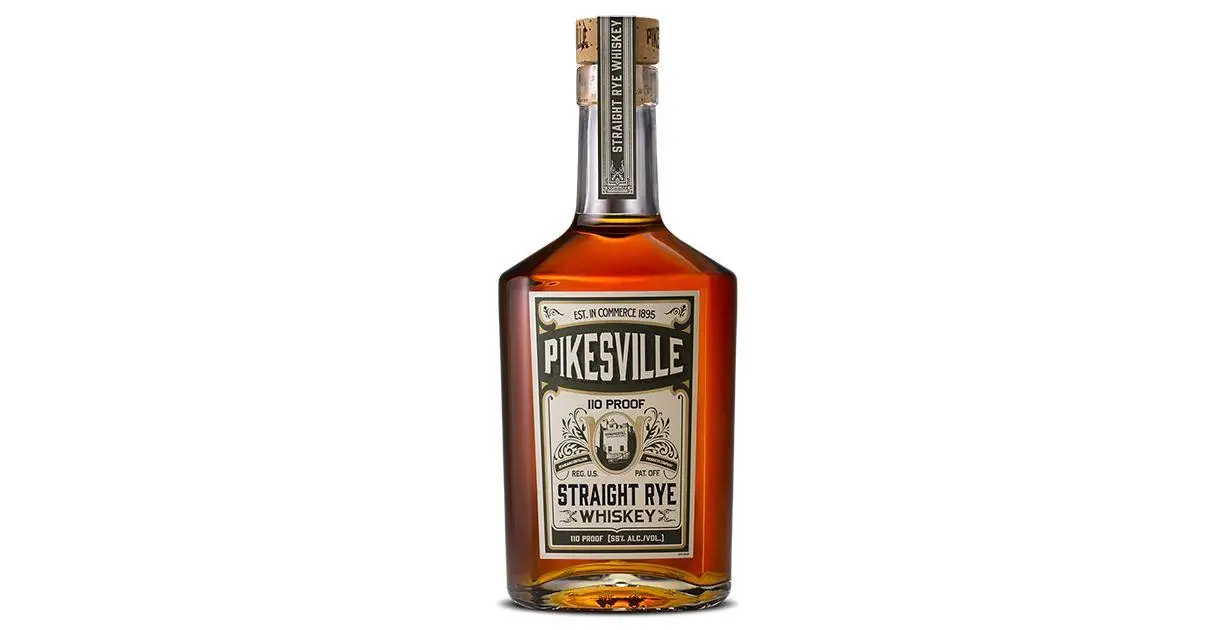
Pikesville carries one of the older names in American rye. It started in Maryland in 1895 and became the last of the Maryland-style ryes still standing, surviving until production in the state ended in 1972.
Heaven Hill bought the brand in 1982 and brought it back in 2015 as a high-proof straight rye.
Today it is aged at least six years and bottled at 110 proof, which gives it more weight and a longer, spicier finish than the standard Elijah Craig Rye, though it draws on a similar Heaven Hill recipe. The extra proof and age show up in the glass as deeper notes of cherry, brown sugar, and licorice.
It is a known favorite of Heaven Hill master distiller Conor O’Driscoll. For around $50, it remains one of the best values in aged rye.
Elijah Craig Toasted Rye
Medal: Gold
Tasting Notes: Toasted oak, crème brûlée, almonds, hazelnuts, milk chocolate, baking spice
Find Your Next Bottle: $44 / £90
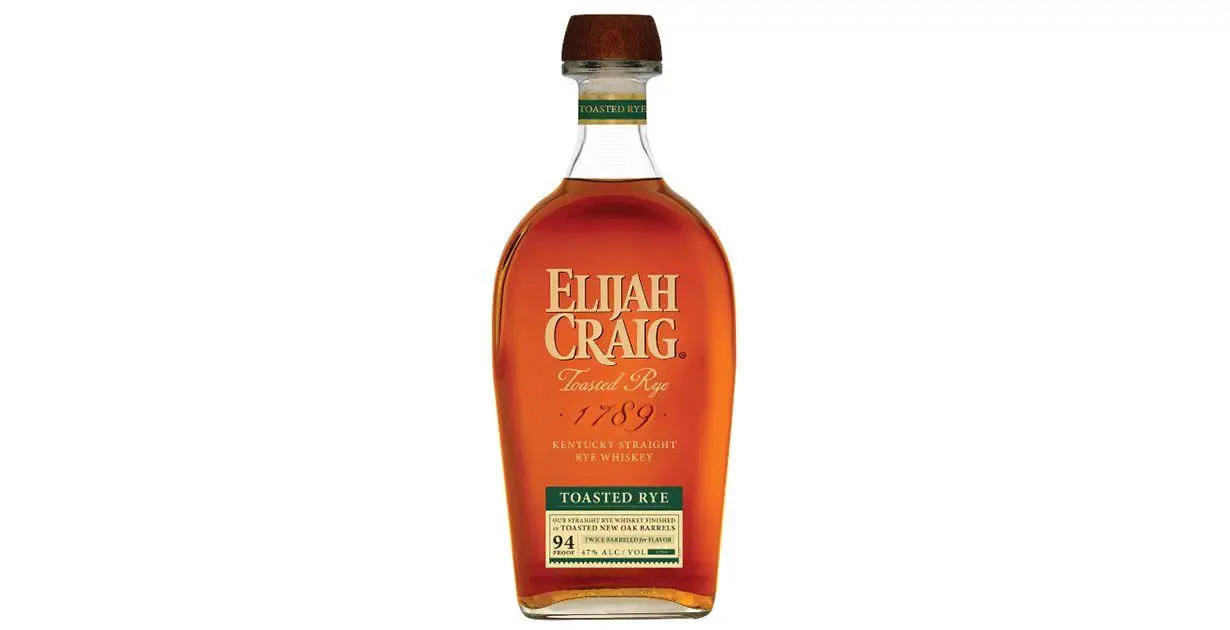
The trick with this one happens after the whiskey is already fully matured. Heaven Hill takes its straight rye, dumps it, and refills it into a second barrel that has been custom-toasted by Independent Stave Company. That barrel gets a long toast followed by a quick, intense char, which embeds the wood compounds deeper and pulls out flavors that charring alone does not, particularly the caramelized sugar and toasted nut notes that give the whiskey its name.
Because the second barrel is new charred oak, the whiskey keeps its Kentucky Straight Rye status. The base recipe is the familiar 51% rye, 35% corn, and 14% malted barley, and it is bottled at 94 proof.
Released in 2024, it joins the toasted versions of Elijah Craig’s bourbon and sits alongside similar releases from Michter’s and Penelope. Reviewers tend to find it richer and more expressive than the standard rye, and it is best enjoyed neat.
Heaven Hill Grain to Glass Kentucky Straight Rye Whiskey
Medal: Gold
Tasting Notes: Toasted oak, almonds, orange marmalade, chocolate, nutmeg, white pepper, honey, crème brûlée
Find Your Next Bottle: £80 / $100
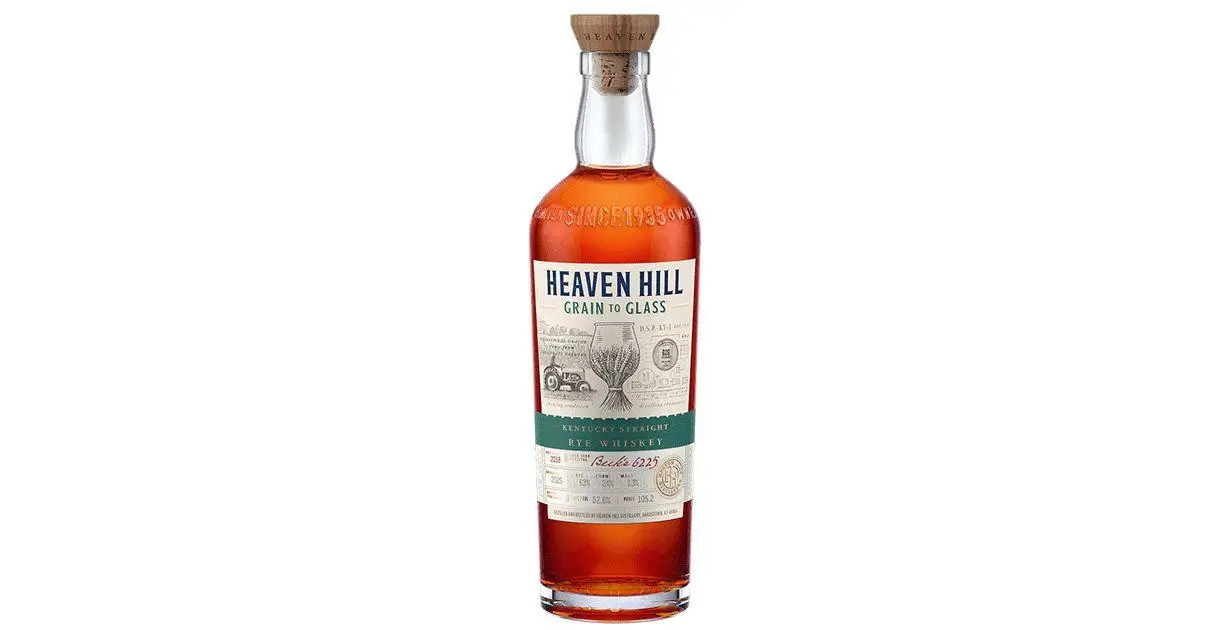
Everything about this release is built around transparency. The Grain to Glass line prints the details most producers keep quiet, including the corn variety, the full mash bill, the barrel-entry proof, and the years it was distilled and bottled.
This rye uses a grain recipe of 63% rye, 24% corn, and 13% malted barley, a higher rye content than Heaven Hill’s traditional recipe, with corn grown by Peterson Farms in Nelson County, Kentucky. It was distilled in 2018 and aged more than six years at the company’s Cox’s Creek site, entering the barrel at 107 proof.
The “Traditional Barrel” name points to the standard #3 char American white oak used here, which sets it apart from the Specialty Barrel version aged in Chinquapin oak. The 2025 edition is bottled at barrel proof and non-chill filtered, landing at 105.2 proof. A portion of every sale goes to Farm Rescue, which supports family farms.
WhistlePig Old World Rye Aged 12 Years
Medal: Gold
Tasting Notes: Caramel, vanilla, winter fruit, apricot, plum, raisin, date, honey, dark chocolate
Find Your Next Bottle: $124 / £99
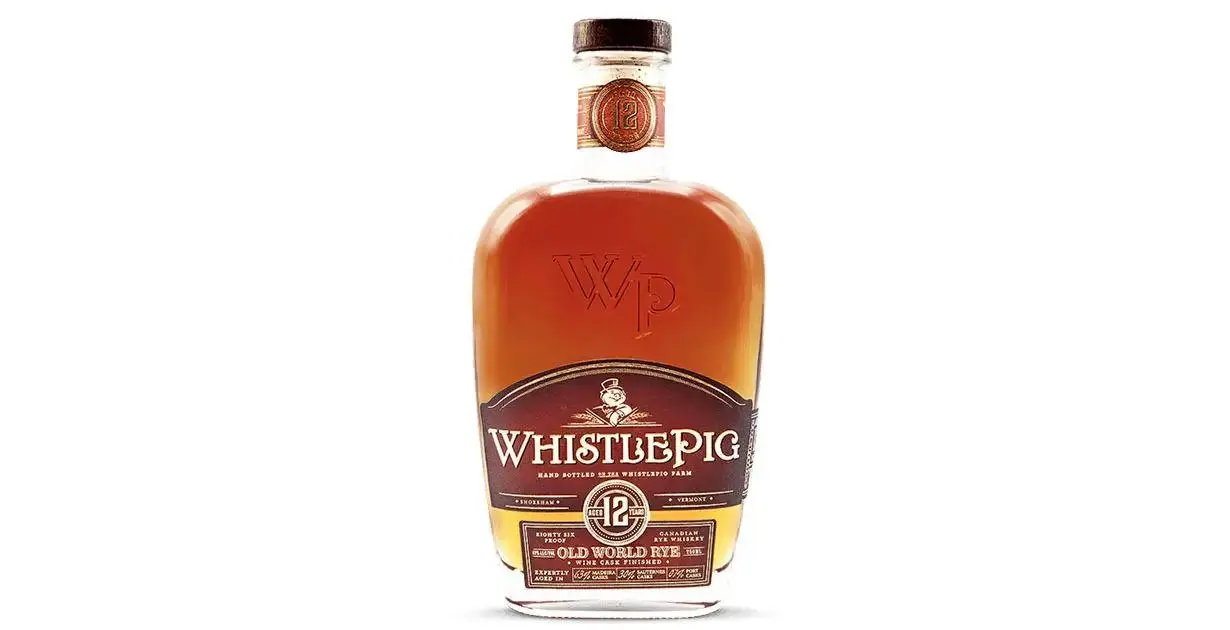
WhistlePig started in 2007 on a former dairy farm in Shoreham, Vermont, with the goal of making serious rye. In its early years, the company bottled well-aged rye sourced from Canada rather than distilling its own, and that Canadian origin is why this whiskey is classified as Canadian rather than American.
Old World is the expression that put the brand on the map. The 12-year rye is aged in new American oak, then split into three batches and finished separately in Madeira, Sauternes, and Port casks before being blended back together, with Madeira making up the largest share. That wine-cask finishing is where the orchard and dried-fruit notes come from, and it gives the whiskey a richness closer to an older Scotch. It is bottled at 86 proof.
The farm follows what it calls a Triple Terroir approach, focusing on its own grain, water, and oak for the whiskey it now distills on site.
Old Overholt 12-Year-Old Extra Aged Cask Strength
Medal: Gold
Tasting Notes: Vanilla, baking spice, tobacco, allspice, caramel, charred oak, brown sugar, honey, leather
Find Your Next Bottle: $110 / £180
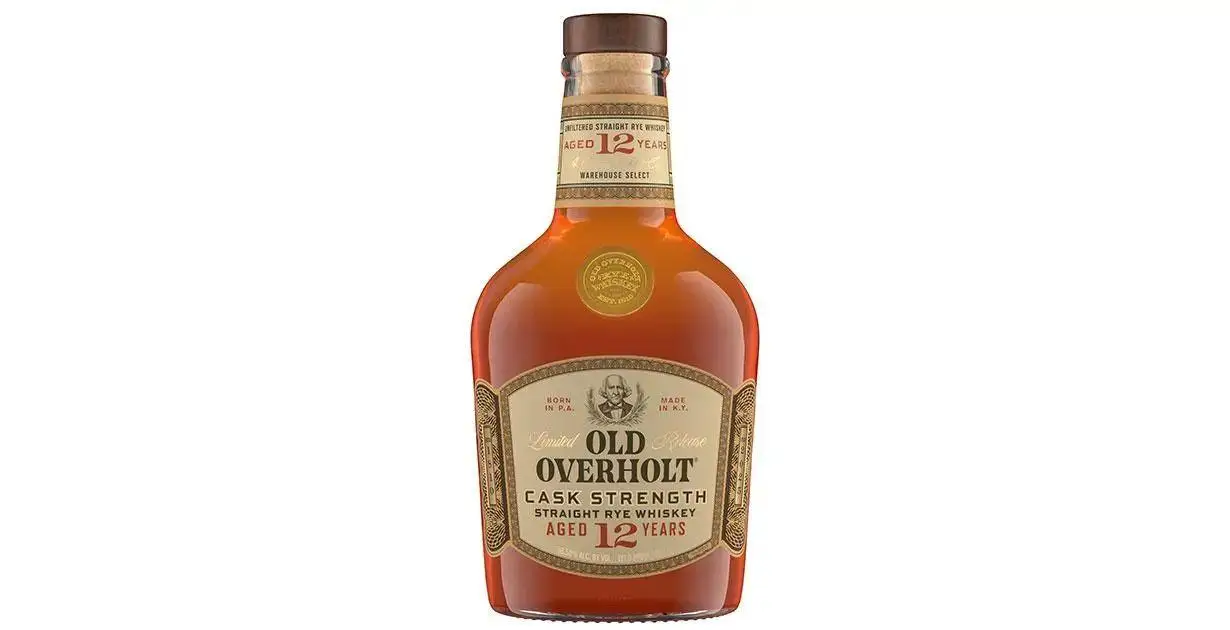
Old Overholt is the oldest continuously maintained whiskey brand in America, with roots going back to 1810. Abraham Overholt, the son of a German Mennonite immigrant, made classic Pennsylvania-style rye at West Overton, and the brand later passed through the hands of industrialist Henry Clay Frick and financier Andrew Mellon.
The Overholt name has been on a label since 1888, complete with Abraham’s portrait. James B. Beam acquired it in 1987 and shifted production to Kentucky, where it is now made by Suntory Global Spirits in Clermont.
This release was distilled in spring 2013 and aged twelve years, the oldest yet in the cask-strength series that started with a 10-year and an 11-year edition. The mash bill is not disclosed, but it follows a Kentucky-style recipe. Bottled at cask strength and unfiltered, the proof shifts from batch to batch; the 2025 release came in at 117 proof. It is a limited edition and a fitting tribute to one of the category’s foundational names.
Boss Hog XII “Feather & Flame”
Medal: Gold
Tasting Notes: Caramel, dark chocolate, orange zest, cocoa, earthy spice, herbaceous chili pepper
Find Your Next Bottle: $500 / £400
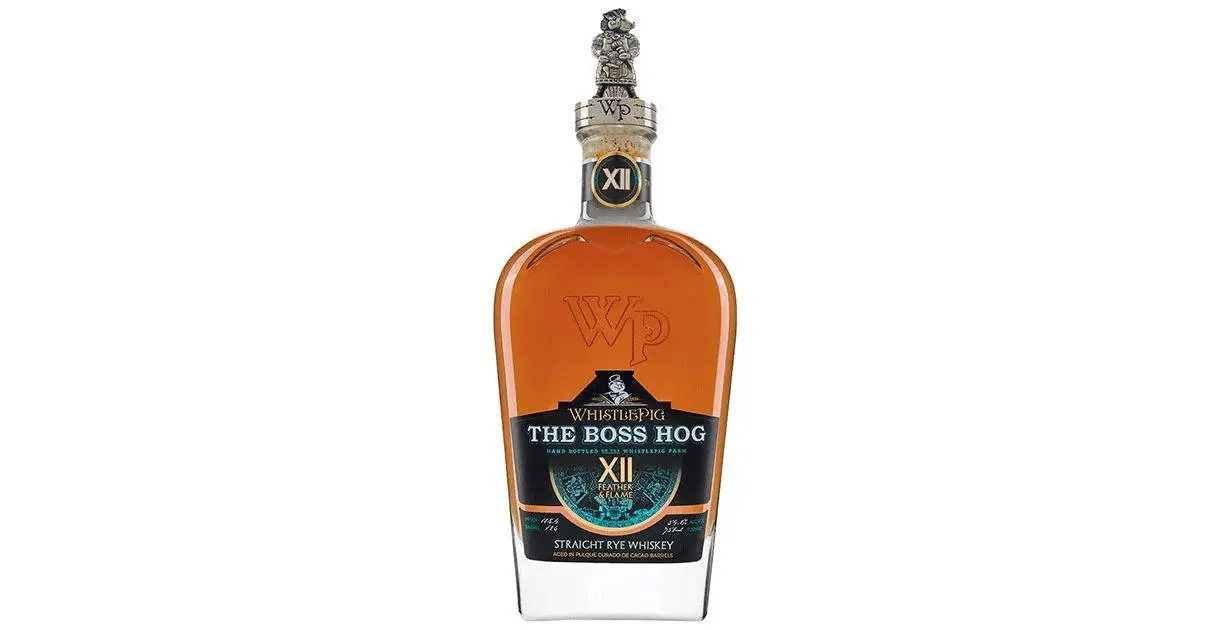
This is WhistlePig’s collector’s piece, released once a year as the Boss Hog. Every edition has to meet three rules: it must be a single barrel, bottled at barrel strength, and built around a finishing idea that has not been done before.
The twelfth edition takes its inspiration from central Mexico, where the blending team traveled to research two ancient Aztec drinks: pulque, made from fermented agave sap, and xocolatl, a chili-spiked cacao drink. The mature rye, sourced from MGP in Indiana, is finished in barrels seasoned with agave, cacao, and a trio of chiltepín, guajillo, and pasilla peppers, which WhistlePig says is a first for whiskey. That finish is where the cocoa, citrus, and gentle chili heat come from.
Because every bottle is drawn from a single barrel at full strength, the proof varies, landing somewhere between 104.8 and 108.4. Each one is topped with a handmade Vermont pewter feathered-pig stopper. It is the rarest and priciest bottle on this list.
Elijah Craig Barrel Proof Rye A925
Medal: Gold
Tasting Notes: Stewed fruit, cinnamon, nutmeg, gingerbread, molasses, rye spice
Find Your Next Bottle: $153 / £123
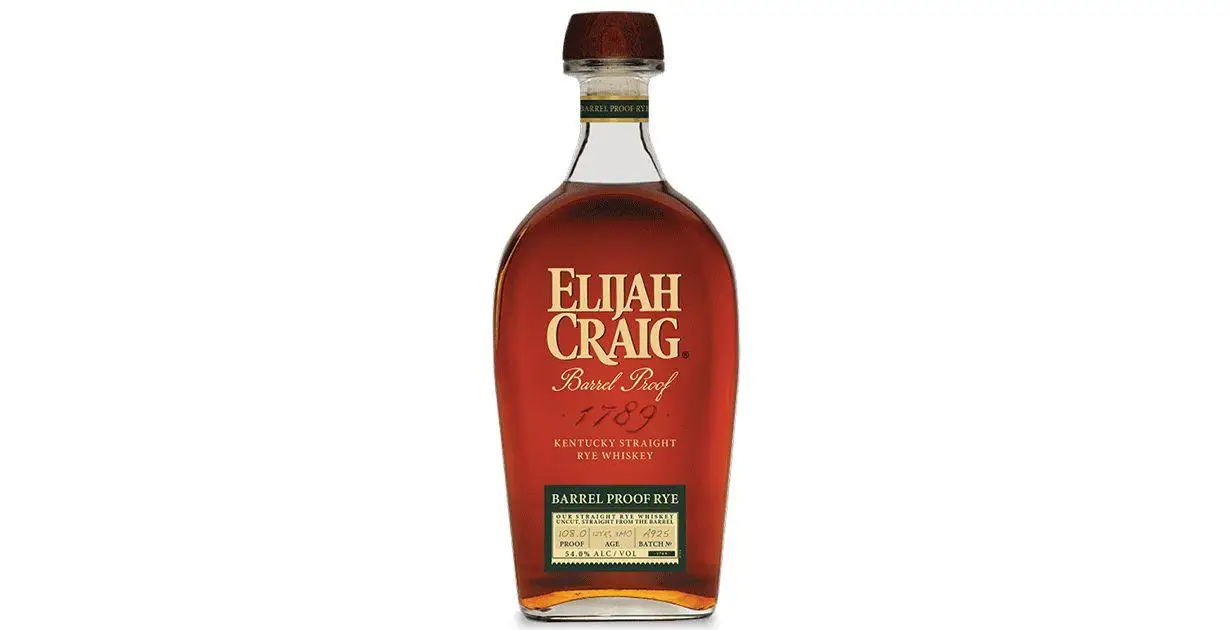
This is the bottle behind the year’s biggest rye headline. In December 2025, Elijah Craig Barrel Proof Rye was named Whisky Advocate’s Whisky of the Year, scoring 96 points and topping the list, the first time a rye has ever taken that title.
The batch code tells you when it was made: A925 marks the first batch of the year, bottled in September 2025. It is Heaven Hill’s first barrel-proof rye, built on the same 51% rye, 35% corn, and 14% malted barley recipe as the standard Elijah Craig Rye but aged longer, at twelve years and three months, and bottled uncut at 108 proof and non-chill filtered.
Like the bourbon version, the line comes out three times a year, with each batch carrying its own age and proof on the label.
The 2026 ISC Rye Verdict
The 2026 results show just how much ground rye now covers, from a gentle 80-proof malted rye to a single-barrel collector’s piece finished in agave and chili casks. There is a heritage story in nearly every whiskey too, whether it is the Maryland roots of Pikesville, the two-century history behind Old Overholt, or the barrel-char legend attached to the Elijah Craig name.
Do you agree with the judges, or did they get it wrong? Drop your favorites from the 2026 ISC rye medalists in the comments and let us know which one you would have given the top spot.
 Latest On The Whiskey Wash