




Irish single malt has often sat in the background of the category. While single pot still and blended Irish whiskey have defined the identity of Irish whiskey for decades, single malt has been easy to overlook.
That is starting to change. More distilleries are releasing single malts with a clear sense of style, often shaped by triple distillation and a focus on texture and approachability rather than weight alone. It is a different proposition to scotch, and increasingly a confident one.
The World Whiskies Awards Ireland 2026 offers a useful snapshot of that shift. The winners do not follow a single template. Instead, they show a category that is finding its footing, with a growing range of flavours and approaches that feel distinctly Irish.
What Will Whisky Look Like in 2027? Voices from Whisky Live Paris
READ THE STORYDunville’s Irish Whiskey PX 24 Years Old Single Malt
Medal: Gold, Category Champion
Category: Irish Single Malt
Style: 21 Years & Over
 Trending Content

Tasting Notes: Honeyed dried fruits, toasted almonds, Christmas spices, leather, dark chocolate, candied orange peel, raisins, vanilla, oak, subtle smoke
Find Your Next Bottle: Coming soon
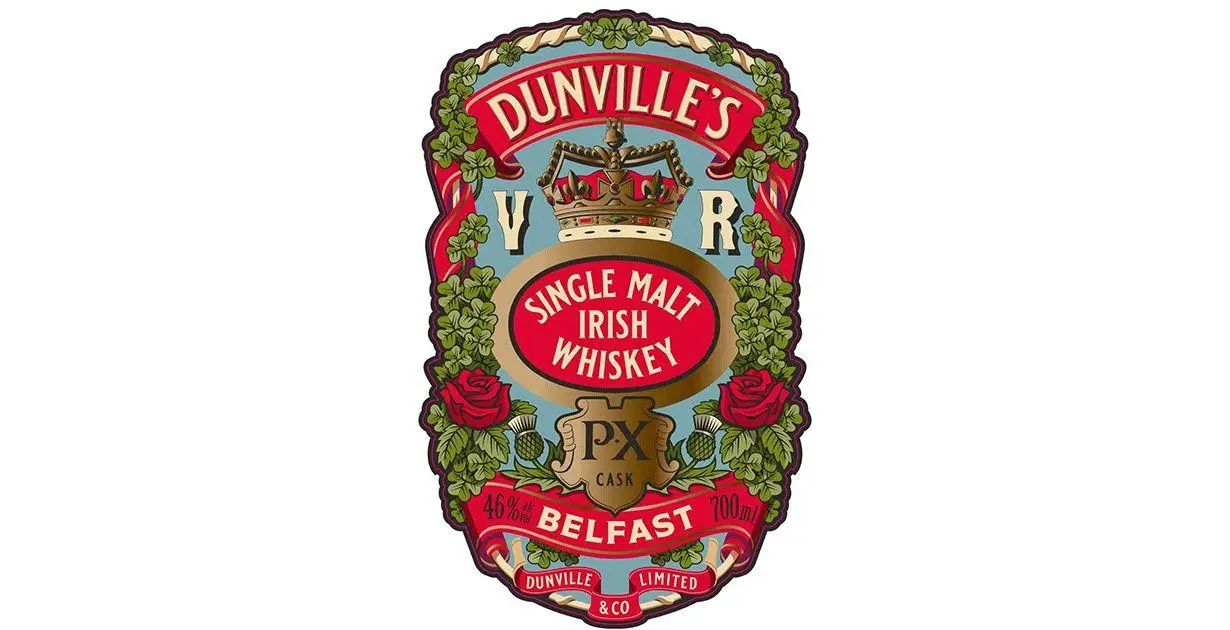
A 24-year-old Irish single malt still turns heads, and rightly so. Bottles at this age remain genuinely uncommon, and the Pedro Ximénez casks that define this one don’t underplay the moment — rich, rounded, and shaped by decades of patient maturation.
There’s also a backstory worth knowing. Dunville’s was founded in 1808 and spent the better part of a century as one of Belfast’s most recognised whiskey names, before production stopped in 1936. For decades it existed mostly in auction catalogues. The Echlinville Distillery has revived it, with a focus on releasing rare aged stocks.
The combination of historic name, classic sherry-led style, and genuine age makes this the most compelling bottle on the list.
It hasn’t yet been released, so keep an eye on the Echlinville website for more details.
The Whistler French Oak 10 Years Old
Medal: Gold, Category Winner
Category: Irish Single Malt
Style: 12 Years & Under
Tasting Notes: Velvety honey, stewed fruit, poached pear, blackcurrant, vanilla, toffee, spice, pastry, white chocolate, minerality, herbal freshness, stewed apples
Find Your Next Bottle: $86
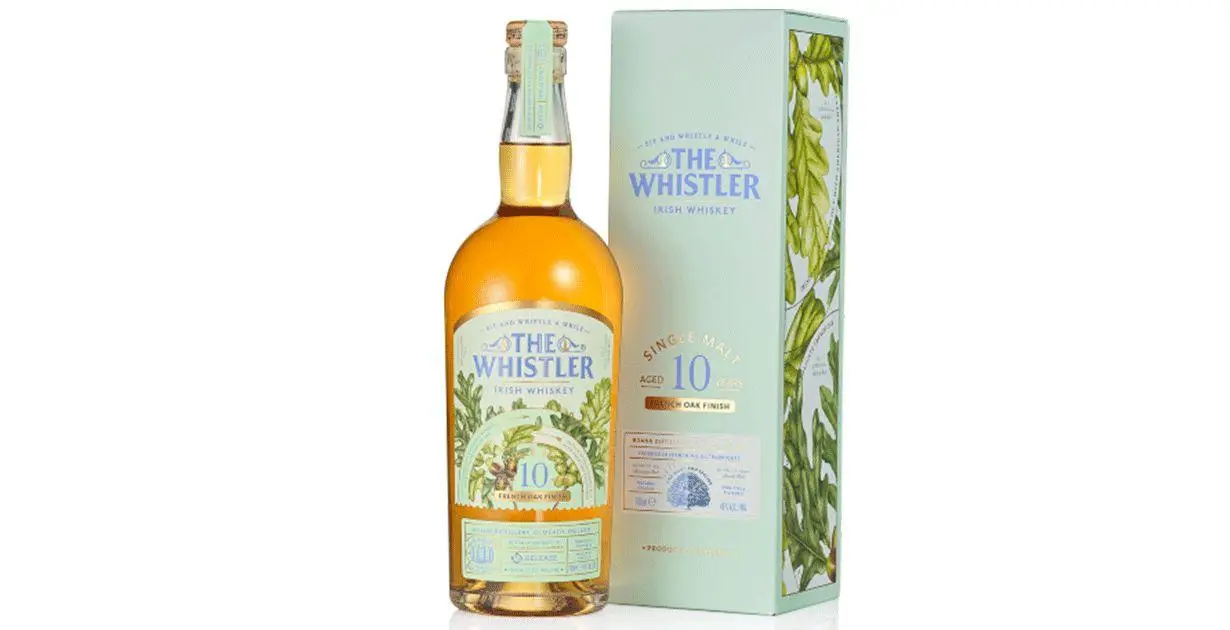
For The Whistler French Oak 10 Year Old, the focus is more on cask management than age.
The whiskey starts in ex-bourbon, which lays down the familiar foundations of vanilla and soft fruit. It then moves into French oak that previously held Bordeaux wine, before Boann Distillery applies their N.E.O.C process: shaving and re-toasting the wood to draw out fresh oak character.
The result is a whiskey that feels more structured and considered than you might expect a 10-year-old to be.
Boann Distillery is owned and run by the Cooney family and has been producing since 2019. In that time, it has made a name for itself with multiple brands, including The Whistler, demonstrating youth and transparency in a way that much of the category does not.
Boann is not by apologising for youth, but making technique do the work instead. It’s a smart approach, and here it pays off. This distillery should definitely be on your radar if you are an Irish whiskey fan.
The Temple Bar 18 Years Old Malbec Finish
Medal: Gold, Category Winner
Category: Irish Single Malt
Style: 13 To 20 Years
Tasting Notes: Dark fruit, plum, subtle tannins, vanilla, toasted oak, dried berries, dark chocolate, spice
Find Your Next Bottle:

Eighteen years is a long time to wait, and the Malbec cask at the end of it is either a reward or a risk, depending on how you feel about wine finishes.
The Temple Bar 18 Year Old whiskey is finished in Malbec casks from Argentina. The aim is darker fruit, a touch of tannin, and a different kind of structure. Wine finishes can easily tip into heavy or cloying, but this one feels measured. The fruit adds depth without smothering what’s underneath.
The Temple Bar Pub sits behind the label as curator rather than distiller, which gives it a slightly different identity to the rest of this list.
Less about a house style, more about selection and an eye for finishing. It also ships internationally, which makes it one of the more accessible winners here. Worth tracking down if you’re curious about how Malbec and Irish malt can actually work together.
The Whistler PX I Love You Single Malt
Medal: Gold, Category Winner
Category: Irish Single Malt
Style: No Age Statement
Tasting Notes: Dried berries, raisins, cherries & sultanas/golden raisins, with candied orange, brown/demerara sugar, walnut, zesty citrus, leather, dark chocolate
Find Your Next Bottle: $70

The name is charming, the concept is simple, and neither of those things is a problem.
Ex-bourbon casks lay the groundwork here, and Pedro Ximénez casks do the finishing. It’s a straightforward combination, but Boann Distillery — the same team behind the French Oak 10 — gets the balance right.
The PX is present and felt, but it doesn’t bury the malt underneath it. The underlying character comes through, supported rather than overwhelmed.
In many ways, this is an honest expression of where Irish single malt sits right now. Widely available, priced to be opened rather than shelved, and focused entirely on flavour.
For anyone looking for a way into the category, this is a great option one to start with.
What These Winners Tell Us
Four whiskies, and no two made the same way. That’s probably the most useful thing this list reveals about Irish single malt right now.
Dunville’s shows what patience and a historic cask style can produce at the top end. Boann’s two entries — very different in age and approach — both make the case for cask management as a craft in its own right. And The Temple Bar 18 demonstrates that a good eye for selection and finishing can be just as valid as a distillery house style.
Irish single malt is no longer finding its feet. It’s making deliberate choices, and those choices are starting to look very interesting indeed.