



Blended whiskey helped to build Ireland’s global reputation. Whilst blended whiskey might often be overlooked in favour of single malts, the truth is that blending is a serious craft in its own right. There is no shortage of complex Irish blended whiskeys to enjoy.
The World Whiskies Awards Ireland 2026 results underline this. The category now spans long-aged prestige blends, experimental cask-driven releases, and technically ambitious projects that push the boundaries of style.
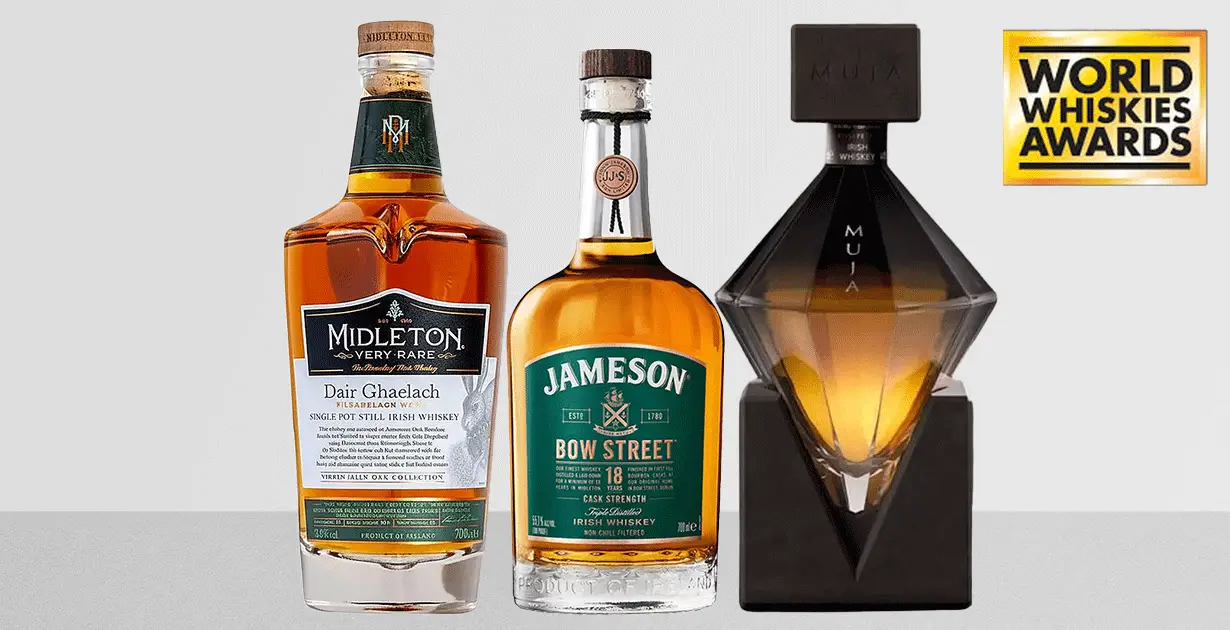
These are the three standout winners across the blended category. Each one topped its age bracket, and each one reflects a different direction for Irish whiskey.
What Will Whisky Look Like in 2027? Voices from Whisky Live Paris
READ THE STORYWhat follows is a closer look at how they are made, who produces them, and what sets them apart.
Jameson 18 Years Old
Medal: Gold, Category Champion
Category: Irish Blended
 Trending Content

Style: 13 To 20 Years
Tasting Notes: Aromatic oils, wood, spicy toffee, leather, nuttiness, vanilla
Find Your Next Bottle: $165
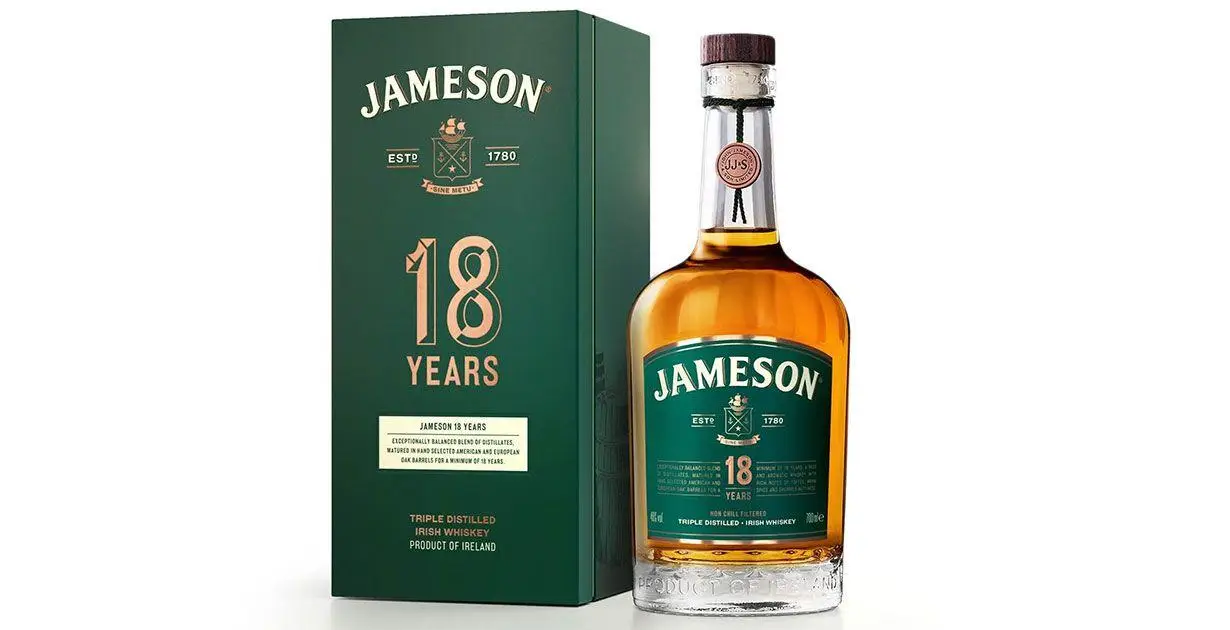
Jameson 18 Years Old sits at the top end of a brand that has defined Irish whiskey for decades. It is produced by Irish Distillers at Midleton Distillery, where both pot still and grain whiskeys are distilled and matured on site.
The blend is built from multiple distillates that mature for at least 18 years in a mix of American and European oak. That includes ex-bourbon and sherry-seasoned casks, which provide structure before a final stage of marrying in first-fill bourbon barrels.
Recent updates to the bottling have increased the strength to 46% ABV and removed chill filtration. That shift reflects a more modern approach, while the underlying production remains rooted in traditional Irish blending.
Muja Rosapetra Irish Whiskey
Medal: Gold, Catgeory Winner
Category: Irish Blended
Style: 12 Years & Under
Tasting Notes: Vanilla, caramel, dried fruit, honey, warm spices, and a hint of herbal notes
Find Your Next Bottle: $115
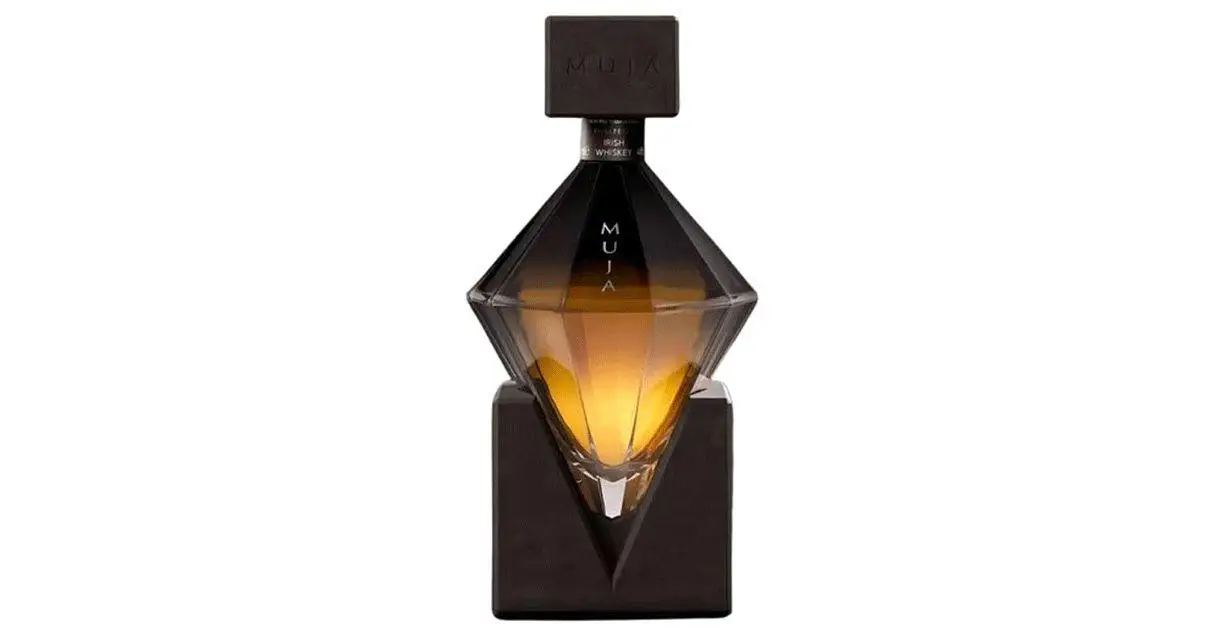
This is a blend that leans heavily on cask selection rather than long aging. Muja Rosapetra is made from 90% single grain and 10% single malt whiskey, a structure designed to keep the profile soft while still adding depth from the malt component.
The whiskey is triple distilled and aged in Ireland, though the producing distillery is not disclosed. It matures for around five years across a mix of bourbon, Oloroso sherry, and tequila casks. That last element is unusual in Irish whiskey and reflects a more experimental approach to blending.
The brand itself is owned by AB Trade Srl, with a clear focus on design and premium positioning alongside the liquid.
Midleton Very Rare Dair Ghaelach Kilranelagh
Medal: Gold, Category Winner
Category: Irish Blended
Style: No Age Statement
Tasting Notes: Fresh pine, floral honey, ground pepper, tropical fruits, green tea, vanilla, smoked almonds, cinnamon, chilli flakes, red bell peppers, candied orange, red apple
Find Your Next Bottle: $470
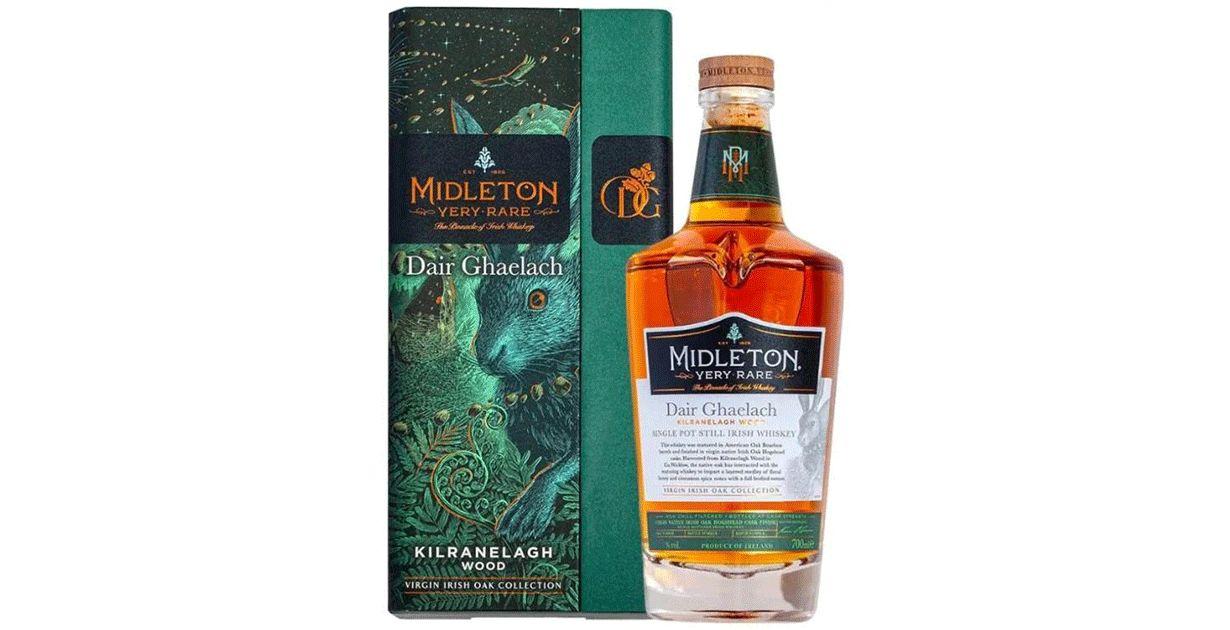
This is one of the most technically interesting winners in the lineup. It sits within the Dair Ghaelach series from Irish Distillers, produced at Midleton Distillery, and focuses on the impact of native Irish oak.
The whiskey is made from single pot still distillates aged between 15 and 28 years in ex-bourbon barrels. It is then transferred into virgin Irish oak casks sourced from the Kilranelagh forest in County Wicklow for a finishing period of around two years.
Each release is tied to individual trees and bottled at cask strength, which adds another layer of specificity.
It is worth noting that while this won in a blended category, the producer describes it as single pot still, which reflects how broad the awards classifications can be, and how each producer chooses to enter their products into competitions.