






The World Whiskies Awards always throws up a few interesting results, and the Indian single malt category this year is no exception.
Amongst these winners, there are producers here that will already be familiar to anyone who has spent time exploring Indian whisky, alongside a couple of names that are less widely known.
Indian single malt has come a long way over the past decade, and you can see that confidence in the variety of styles on show here. Some of these whiskies are built around bold cask influence, others are more restrained, and a couple take things in slightly different directions altogether.
Just to be clear, these are the final results from the 2026 awards, not the world whisky heats (which I discussed here). That means everything here has already gone through the full process, including the global rounds, and what you are looking at are the whiskies that ultimately stood out in their category.
 Trending Content



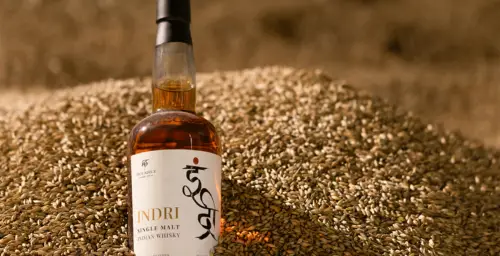
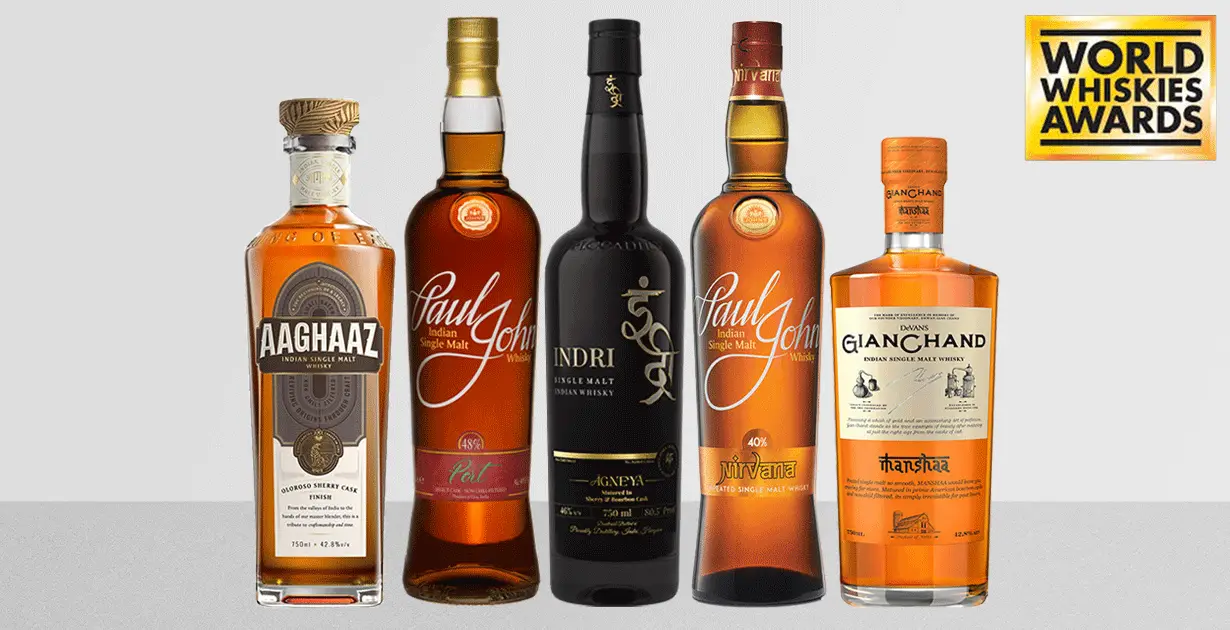
So, here are the winning Indian single malt whiskies from the World Whiskies Awards 2026.
Paul John Port Cask Select
Award: Best Indian Single Malt
Every Kirkland Bourbon Ranked, From Worst to Best
READ THE STORYTasting Notes: “Caramel, burnt chocolate, toasted nuts on nose; peaty, sherry-forward palate with dried fruit, raisin, creamed coconut, tropical notes; sweet-spicy, dry, slightly sulphury, warming finish.” – WWA Judges
Find Your Next Bottle: $93
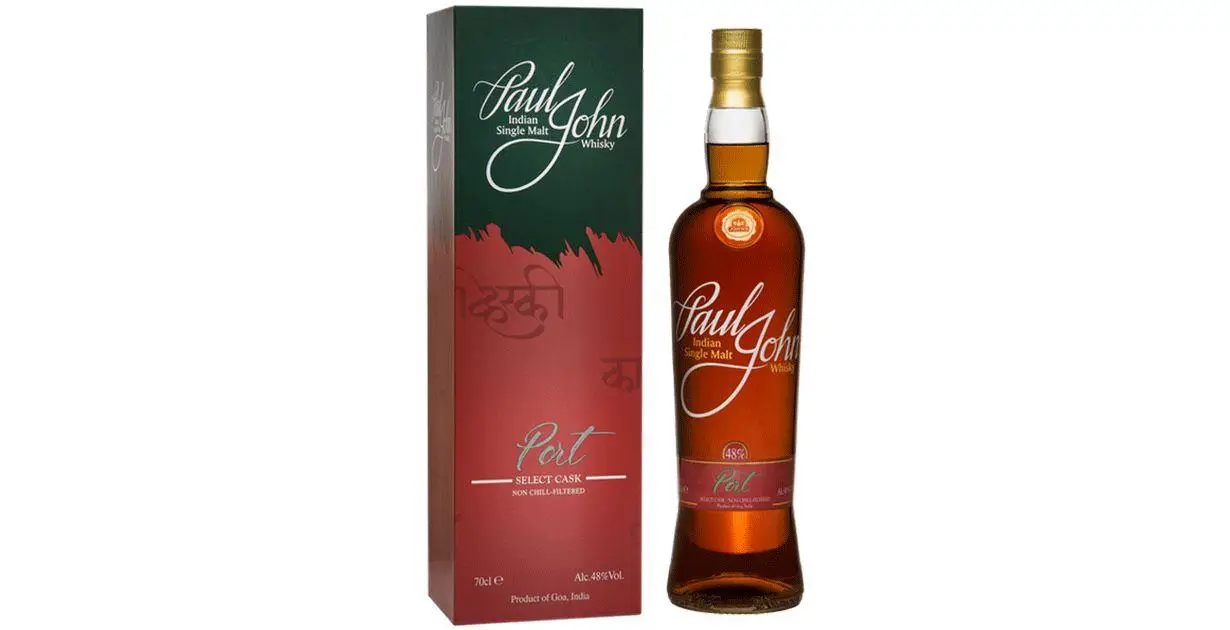
There is a reason Paul John continues to show up at awards like this. It is perhaps one of the best-known Indian whisky producers globally, and more importantly, it has built a genuinely broad and reliable range rather than relying on one or two standout bottles.
I have been lucky enough to spend time with the lineup at festivals, guided by Anees Saboowalla, who knows the range inside out. What comes across very quickly is how deliberate everything feels, from the cask selection to the way each expression fits into the wider portfolio.
The Port Cask Select sits at the more characterful end of that range. Matured in ex-bourbon casks and finished in port casks, it brings together the distillery’s naturally rich, tropical spirit with darker fruit and spice from the finish. It is a style that suits Goa’s climate particularly well, where maturation moves quickly and flavours develop with real intensity.
Its success here feels less like a surprise and more like a continuation of what Paul John has been doing well for years.
Indri Agneya
Award: Gold
Tasting Notes: “Green apple, plasticine, and honeyed nose; gentle, soft palate with vanilla, toffee, cooked apple, sultana, subtle smoke and baking spice; balanced oak, mild peat, pleasant, slightly simple finish.” – WWA Judges
Find Your Next Bottle: $66
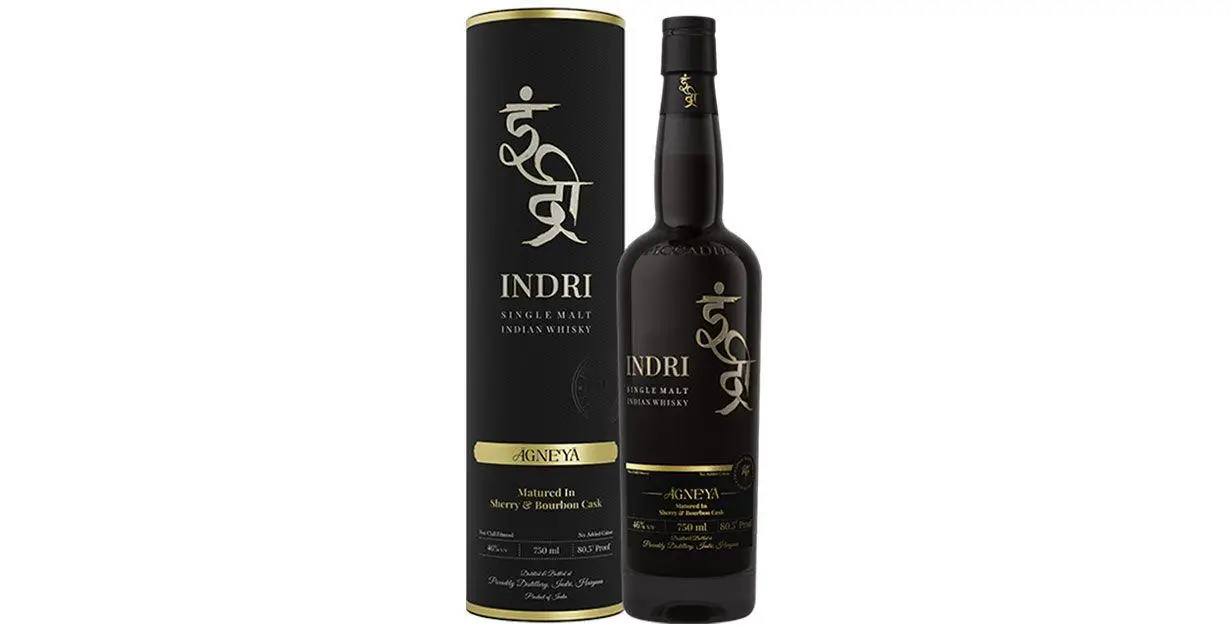
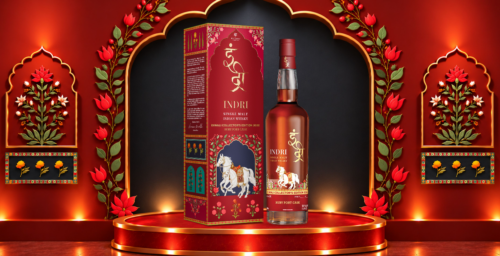
I recently spent some time writing about Indri, particularly focusing on the people behind it and the way the whisky is shaped by its environment. That context makes Agneya a more interesting bottle than it might first appear on a results list.
Produced by Piccadily Agro Industries Limited in northern India, Indri has been quite deliberate in how it presents itself. There is a strong sense of place running through the range, from the climate to the cask choices, and that carries through here.
Agneya is a lightly peated expression, matured in a combination of ex-bourbon and sherry casks, which gives it a layered but controlled profile.
The smoke is there, but it is integrated rather than dominant, sitting alongside orchard fruit, spice, and a soft sweetness. It feels considered, and in that sense it fits neatly with the broader direction of the distillery.
A great example of how Himalayan maturation can shape Indri whisky.
Aaghaaz Indian Whisky
Award: Bronze
Tasting Notes: “Contrasting nose of mints and toasted spice; interesting saline, seafood-like palate with popcorn, vegetables, and musky notes; unusual character, odd but textured.” – WWA Judges
Find Your Next Bottle: N/A
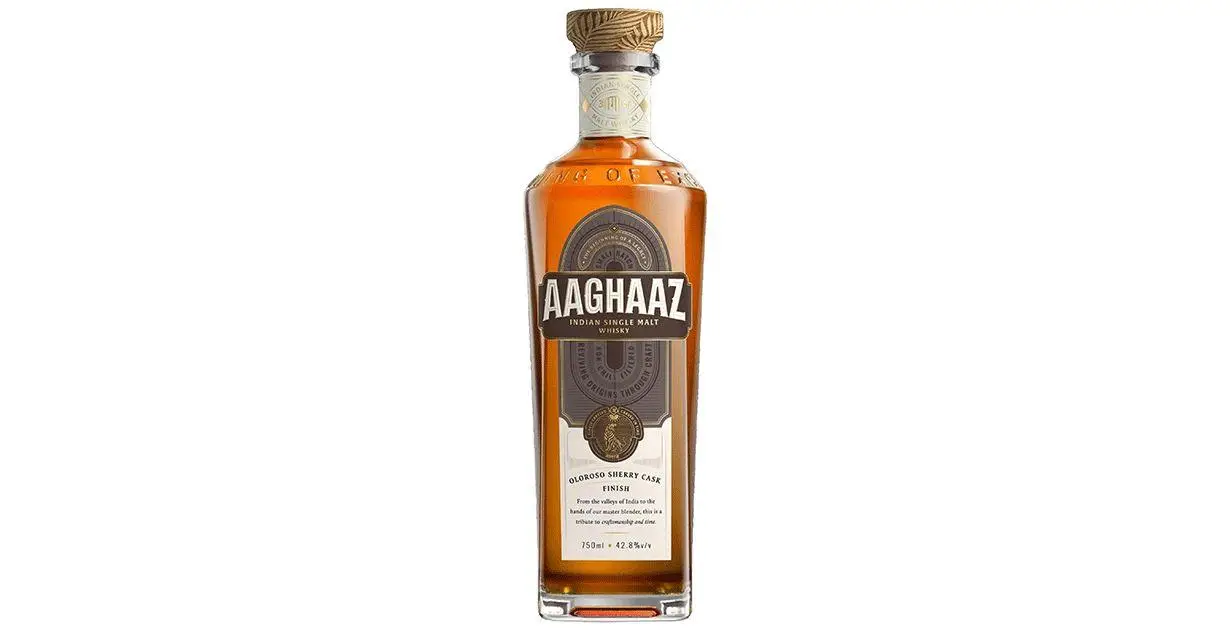
Something more mysterious now.
Aaghaaz comes from Oasis Commercial Pvt Ltd, a producer better known for its scale than for single malt whisky in the way some of the others on this list are. Seeing it appear here is encouraging. It suggests there is more going on beneath the surface than the usual handful of names most people associate with Indian whisky.
There is not a huge amount of detailed production information publicly available, but the judging notes alone hint at something slightly different. The profile is more savoury and textural than the sweeter, oak-driven style that sometimes appears in Indian whisky.
Even without having tasted it, this is the kind of result that makes you curious, and that is no bad thing.
Paul John Nirvana
Award: Bronze
Tasting Notes: “Caramel, leather, baked and stewed fruit on nose; palate shows lemon, honey, toffee, pear, tropical and floral notes; thin to medium body; simple, sweet, medium-short finish.” – WWA Judges
Find Your Next Bottle: $37
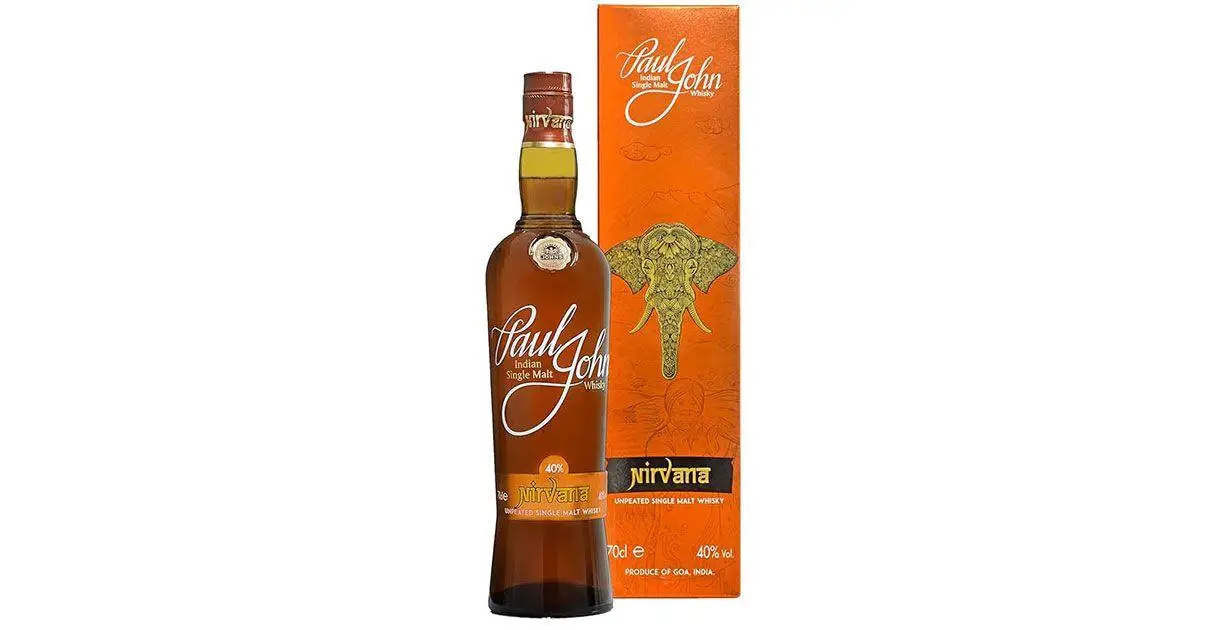
It is quite nice to see Paul John appear twice on this list, and for very different reasons.
Where the Port Cask Select shows what the distillery can do at the more expressive end of the range, Nirvana is designed to be approachable. This is very much a core range whisky, bottled at 40% ABV, unpeated, and matured primarily in American oak. It is the kind of bottle that is meant to introduce people to the style.
That does not make it uninteresting. In fact, it is a good reminder that building a category is not just about standout releases, it is about having whiskies that people can return to without overthinking it. The honeyed sweetness, soft fruit, and gentle oak make it easy to spend time with.
In that context, its place here makes sense. It speaks to consistency across the range, not just at the top end.
Devans GianChand Indian Single Malt Whisky Manshaa
Award: Bronze
Tasting Notes: “Clear, vegetal smoke on nose; green shoots, oak, and gentle astringency on palate; balanced smoke and sweetness with malt, BBQ, and tropical hints; long, fading, tidy finish.” – WWA Judges
Find Your Next Bottle: N/A
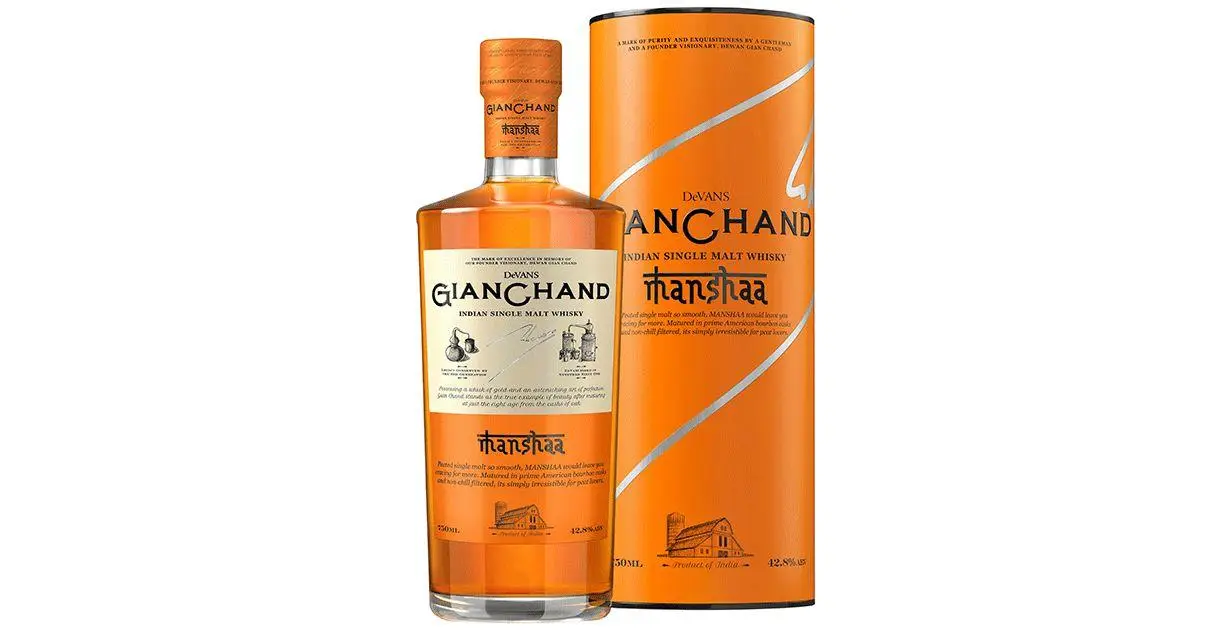
This is another whisky I have not yet tried, but it is one I have been aware of for a little while, thanks to previous awards.
GianChand is produced by DeVANS Modern Breweries Ltd., a company with a much longer history than its single malt range might suggest. Based in Jammu, it offers a different geographical perspective to many of the more widely known Indian distilleries.
Manshaa sits as the peated expression within the range, and from the tasting notes it appears to take a slightly greener, more vegetal approach to smoke. That, paired with ex-bourbon cask maturation, suggests a style that is more about balance than intensity.
Like Aaghaaz, it is encouraging to see a name like this included. It adds a bit more depth to the category and gives you another reason to look beyond the usual suspects.
Final Thoughts: A Category With More To Explore
What I like about this group is how comfortably it moves between the familiar and the less familiar.
On one hand, you have Paul John doing exactly what it has been doing for years, turning out whiskies that are well made, well thought through, and consistent across the range. On the other, you have producers like Indri continuing to build out their identity, while names such as Aaghaaz and GianChand start to appear more regularly in results like this.
This mix of whiskies means the category is not limited to a handful of bottles that everyone already knows, and it makes lists like this genuinely useful if you are looking for something new to try.
If nothing else, it is a good reminder that Indian single malt is no longer a curiosity. It is a category with range, with character, and increasingly, with options.
We would be interested to hear what you think. Do you agree with these picks, or are there other Indian single malts you think deserve a place on this list?