




Whisky lovers have had plenty of reasons to panic in recent months. Production halts at Jim Beam. Diageo cutting back distillery output in Scotland. Prices wobbling. Auction sales dropping. Some even say the golden era of whisky is ending.
It’s not.
For the people who actually drink whisky, not flip it or hoard it, this is the best news in years. Bottles that once vanished overnight are back. Discounts are creeping into retail. Age statements are returning.
What Will Whisky Look Like in 2027? Voices from Whisky Live Paris
READ THE STORYThis isn’t a collapse. It’s a correction. And it’s giving power back to the drinker. Here is why you don’t need to worry about the whisky market in 2026.
It’s Not a Collapse – It’s a Correction
The global whisky boom of 2020–2022 was fueled by pandemic savings, stimulus checks, and low interest rates. Now, the pendulum has swung. Inflation, high borrowing costs, and global uncertainty have made buyers more cautious.
But people haven’t stopped drinking whisky. They’re just being selective.
 Trending Content


According to the Scotch Whisky Association, exports fell 3.7% in 2025. U.S. whiskey volumes also declined for a second straight year, per DISCUS. That definitely signals a slowdown, but not a collapse.
The boom is over. What’s left is a more sustainable, buyer-friendly market in which people are thinking harder about which whiskies they spend their money on.
Why Are Big Names Hitting Pause?
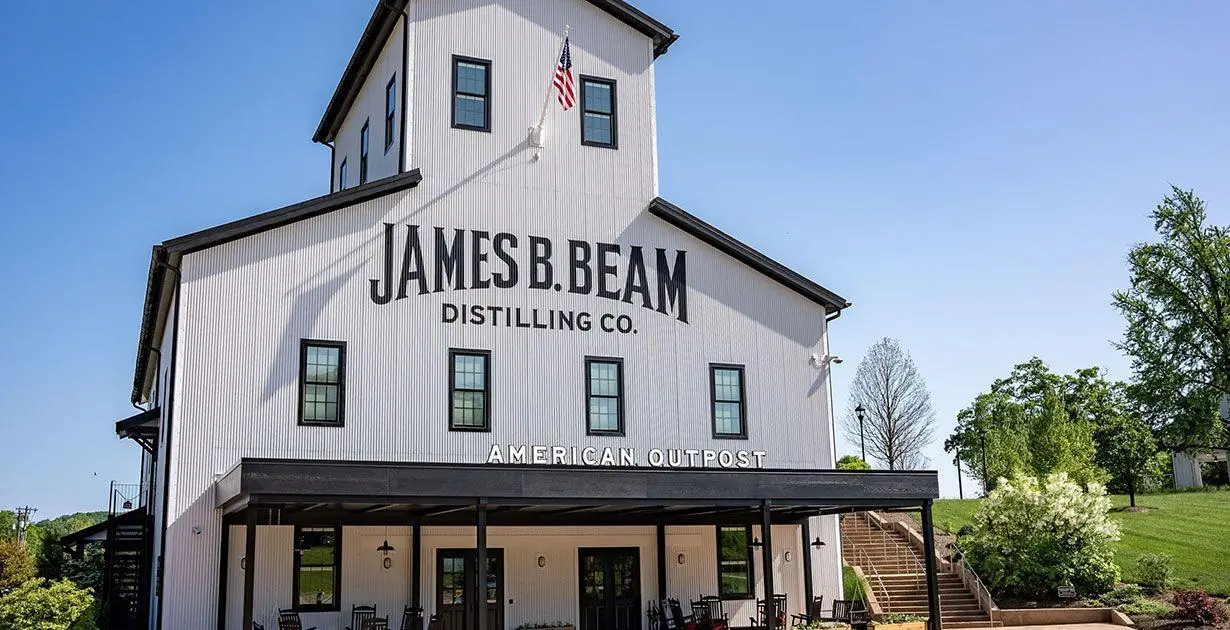
Two of the biggest scary whisky headlines in recent months have been that Jim Beam and Diageo are restructuring or pausing production. However, this is not as dire as you might initially think. Instead of panicking and overproducing, Diageo and Jim Beam are managing inventory.
In Kentucky, Jim Beam is pausing production at its Clermont distillery for all of 2026—not closing, just cooling off. When the news broke, Suntory Global Spirits released a statement, saying, “We are always assessing production levels to best meet consumer demand and recently met with our team to discuss our volumes for 2026.”
In Scotland, Diageo has scaled back operations at sites like Teaninich, George Dickel, and Balcones. The move was not a whiplash reaction to a slowing market, though.
A spokesperson for Diageo North America said, “Since we are ahead of schedule with the volume we produce at the site, this year we decided to temporarily pause our distilling operations and barrel-filling activity through June 2026.”
These are preventive moves. By slowing the tap, they avoid flooding the market, and protect long-term value for producers and drinkers alike.
Prices Are Settling – In a Good Way
After years of relentless escalation, whisky prices are finally easing. According to Noble & Co’s Q3 Whisky Intelligence report, “Lower-priced bottlings are increasingly visible on shelves in the UK and in export markets.” The report also noted that consumers are “cutting back discretionary spending” in the face of another cost-of-living crisis post-Covid.
American whiskey tells a similar story. After years of 5% annual growth, volumes slipped -2% YTD (Jan–Aug 2024), says IWSR US Navigator. Declines are sharpest in lower price tiers, but even super-premium brands face pressure from cautious consumers.
Retailers are responding. Premium bottles that once disappeared instantly, like Michter’s 10 Year or Blanton’s, are now slightly easier to find at or near retail price. Discounts and bundle offers are returning.
It’s not a crash. It’s a normalization. And for the drinker, it means more honest pricing and more whisky within reach.
Allocations Aren’t What They Used to Be
The scarcity game is finally softening. In both the U.S. and the UK, bottles that once vanished instantly are lingering on shelves.
Even prestige releases aren’t immune. The Macallan TIME:SPACE Mastery, priced at £1,100 ($1,500), failed to sell out and was diverted to global travel retail. A few years ago, that would have been unthinkable. Whilst this is not your standard drinking whisky, it is definitely a sign of shifting consumer behavior.
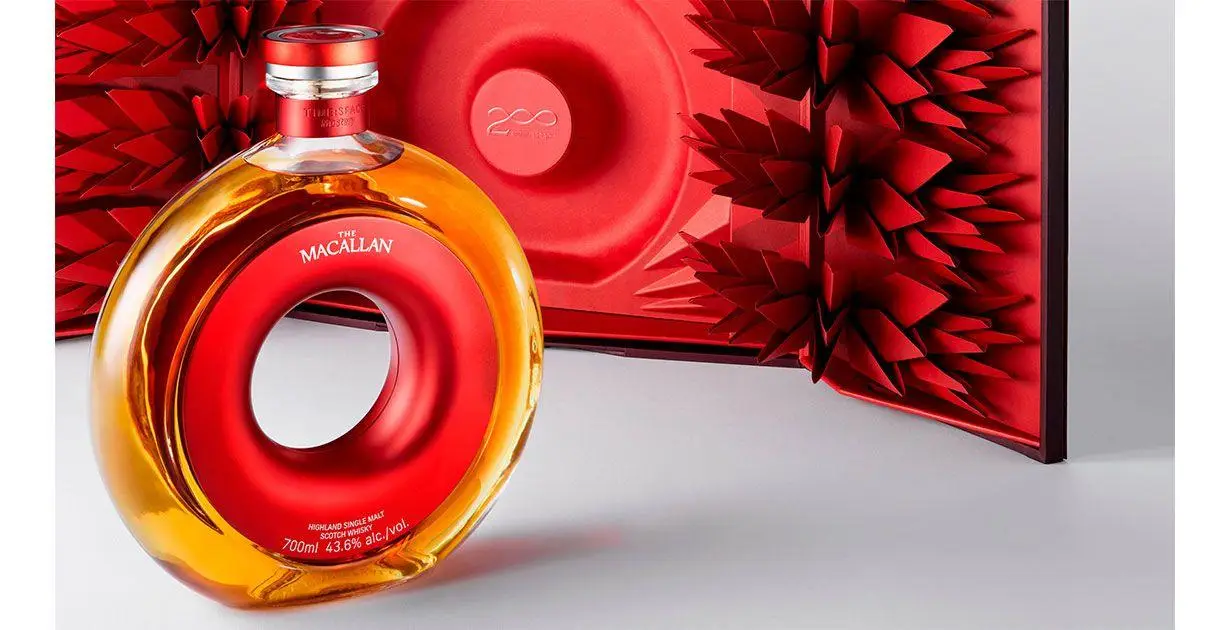
As supply catches up and flippers exit, allocations are less exclusive and more accessible. The frenzy is fading. And for actual drinkers, that’s a major win.
Is This the 1980s All Over Again?
Not quite. The 1980s whisky loch was driven by collapsing global demand. Entire distilleries were mothballed, and millions of liters went unsold.
Today’s oversupply looks different. Global whisky is far more diversified. Brands are pausing, not closing. Distillers like Diageo are scaling back output at sites like Teaninich and Roseisle, but not pulling out.
The industry is correcting, not crashing. And this time, drinkers benefit from the surplus instead of watching it go to waste.
The Silver Lining: Why 2026 Is Great for Whisky Drinkers
Let’s be clear: whisky is still expensive. Distribution systems, especially in the U.S., keep prices high. Some bottles remain out of reach. But the direction of travel has changed, and that’s good news!
Speculation is cooling. Allocations are loosening. Brands are starting to compete on value again. That doesn’t make whisky cheap, but it does make it more attainable.
We’re seeing the early signs of a healthier market. One where great whisky doesn’t always require a lottery, a handshake, or a resale plan.
For drinkers, the future of whisky looks better than it has in years.