


Johnnie Walker is one of the most recognisable names in Scotch whisky. So when the brand showed up at Lollapalooza India 2026, fronted not by whisky but by Johnnie Walker Blonde Non-Alcoholic Lemonade, it raised eyebrows.
This was not a side product quietly placed on a menu. The lemonade branding led major festival activations and a high-profile collaboration with Indian designer Dhruv Kapoor.
At first glance, it looks like a Scotch brand promoting lemonade. The real explanation sits at the intersection of Indian advertising law and Diageo’s strategy to make Blonde relevant to younger drinkers.
What Will Whisky Look Like in 2027? Voices from Whisky Live Paris
READ THE STORYWhat Actually Is the Johnnie Walker Blonde Non-Alcoholic Lemonade?
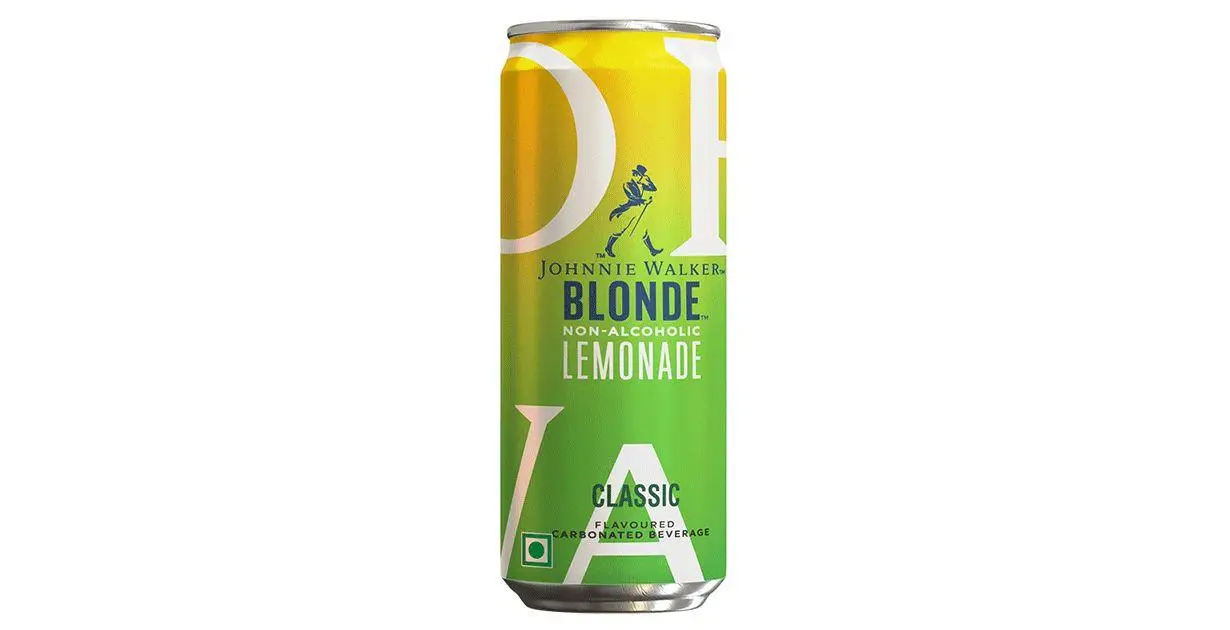
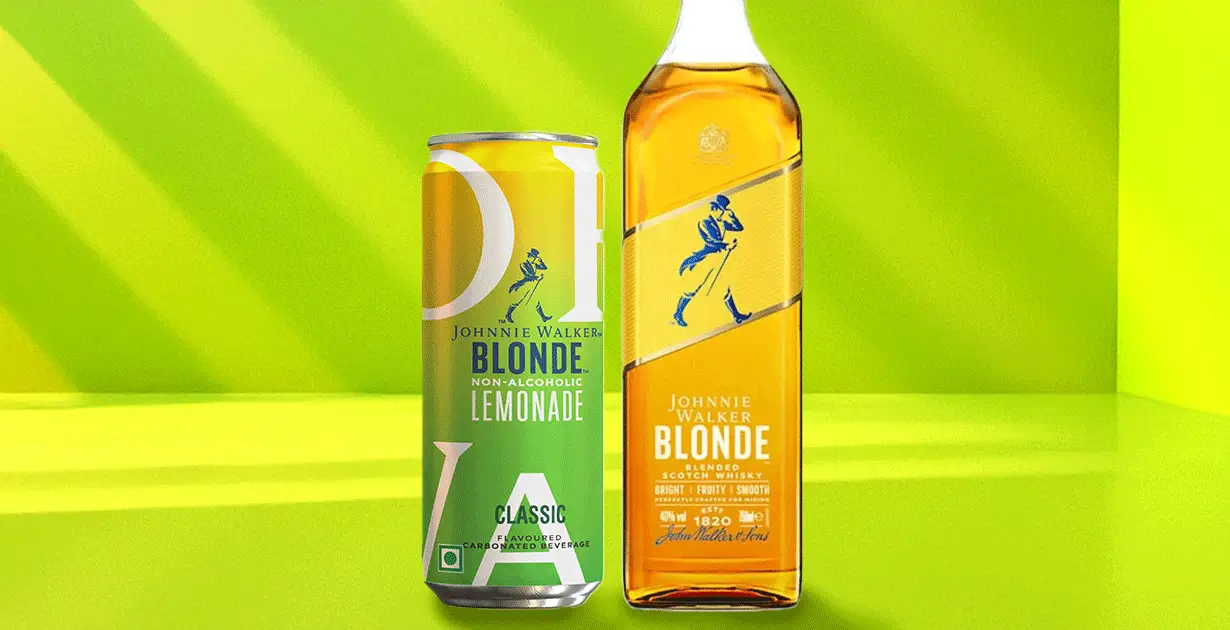
First, this is a real product. The Johnnie Walker Blonde Non-Alcoholic Lemonade is sold in India as a 0.0% sparkling mixer in 250ml cans, positioned as a premium serve designed to complement the lighter, vanilla, and citrus profile of Johnnie Walker Blonde.
The product sits within Diageo India’s broader expansion into branded non-alcoholic mixers, which the company outlined in a 2022 announcement about growing its alcohol-free portfolio. This included the launch of Johnnie Walker Refreshing Mixer.
Outside India, the Blonde and lemonade pairing is also commercialised in alcoholic ready-to-drink formats. In the UK wholesale channel, for example, Johnnie Walker Whisky & Lemonade is sold as a 5% ABV canned RTD.
 Trending Content
So the lemonade is not fictional, and it is not merely symbolic. It is a tangible product that reinforces how Blonde is meant to be consumed. But that still does not explain why it is the face of the campaign in India.
Why Non-Alcoholic Is The Way: India’s Surrogate Advertising Rules
India does not allow direct advertising of alcoholic drinks across most mainstream media. The framework is set out under the Programme and Advertising Code administered by the Ministry of Information and Broadcasting. It states:
“No advertisement shall be permitted which-[…] promotes directly or indirectly production, sale or consumption of-[…] cigarettes, tobacco products, wine, alcohol, liquor or other intoxicants”.
Print media norms reinforce the same principle.
The result is a system where a whisky brand cannot simply run a billboard campaign for Scotch.
This is where surrogate advertising comes in. Brands create non-alcoholic extensions that carry the same name and visual identity, then advertise those instead.
Surrogate advertising is actually prohibited in India. The 2022 Guidelines for Prevention of Misleading Advertisements explicitly address and restrict misleading surrogate advertising, but they also acknowledge the concept of brand extensions.
Products that share a brand name with alcohol can be advertised, but they must be real, tangible products and must be advertised in such a way that the communication doesn’t directly or indirectly promote alcohol.
In recent years, there have been reports of tighter restrictions on surrogate advertising.
For now, it can be done, but there are a lot of rules that need to be followed.
Why Is Johnnie Walker Using This Type of Advertising?
This approach has been widely used. Royal Stag famously promoted music CDs. Kingfisher marketed mineral water. The products exist, yet the branding reinforces recall of the alcoholic parent brand.
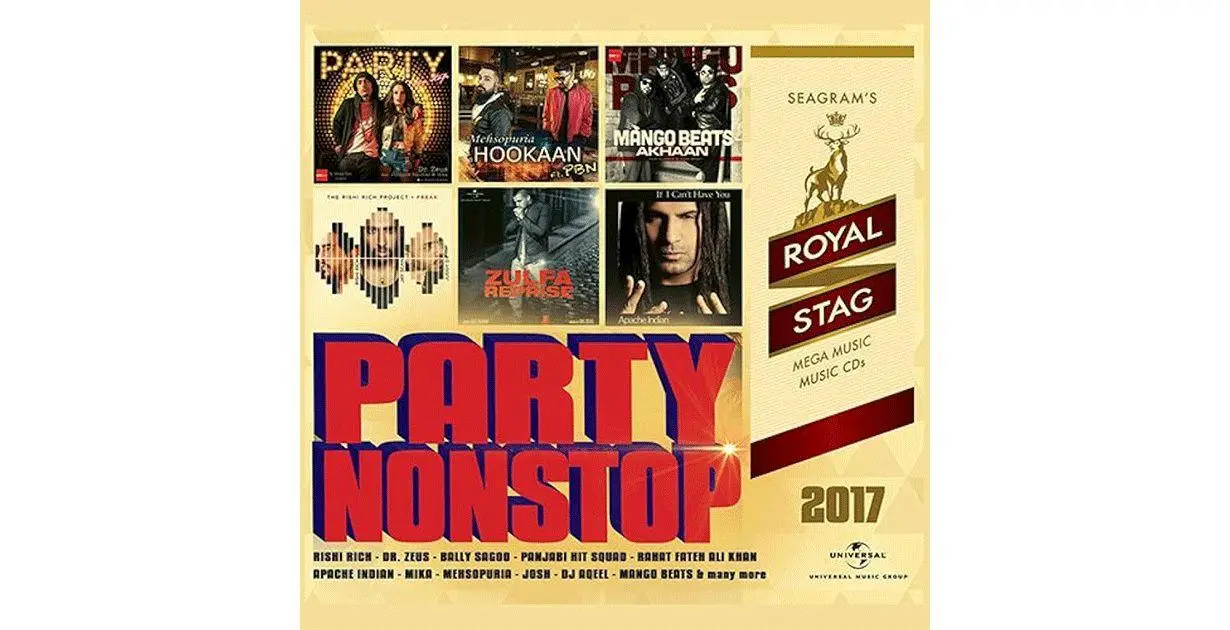
In that context, Johnnie Walker Blonde Non-Alcoholic Lemonade becomes more than a mixer. It becomes the legally promotable face of the Blonde brand in India. Festival lounges, fashion collaborations, and social campaigns can all carry the lemonade name without directly advertising whisky.
What This Means for Johnnie Walker Blonde
To see the bigger picture, it helps to step back from India and look at how Diageo talks about Blonde globally.
In its 2022 Annual Report, Diageo stated that it launched Johnnie Walker Blonde “in six markets globally to recruit new scotch consumers”, built around a refreshing long serve designed for more casual occasions.
In a 2025 investor presentation, Diageo highlighted that Blonde is attracting a more diverse audience and recruiting drinkers from outside traditional whisky occasions.
This attitude is mirrored in India, just in a slightly different (and non-alcoholic) way.
For example, the Dhruv Kapoor collaboration saw Johnnie Walker Blonde Non-Alcoholic Lemonade the Mumbai-based designer drop a limited edition merchandise collection aimed at younger drinkers who “are constantly evolving, who push the boundaries of creativity and expression and refuse to stand still.”
Taken together, the key messaging around Johnnie Walker Blonde, the festival partnership, the Dhruv Kapoor collaboration, and the lemonade-first messaging form a coherent strategy. The goal is not to convince traditional Scotch drinkers. It is to invite new consumers who may not see themselves in heritage-heavy whisky advertising.
In other markets, the Blonde and lemonade pairing appears as an alcoholic ready-to-drink can. In India, the non-alcoholic lemonade carries cultural visibility.
In both cases, the message is the same. Blonde is designed to be mixed, shared, and encountered in places where younger audiences already spend their time.
The Bigger Picture
Whether it is a 0.0% Blonde Lemonade in Mumbai or a Whisky & Lemonade RTD in the UK, the direction is clear. Johnnie Walker Blonde is not being positioned as a fireside Scotch. It is being framed as lighter, mixable, and culturally present.
The non-alcoholic lemonade is partly about working within Indian advertising rules. It is also about signalling how Diageo wants a new generation to encounter Scotch.
In that sense, the lemonade is not a detour. It is the strategy made visible.