


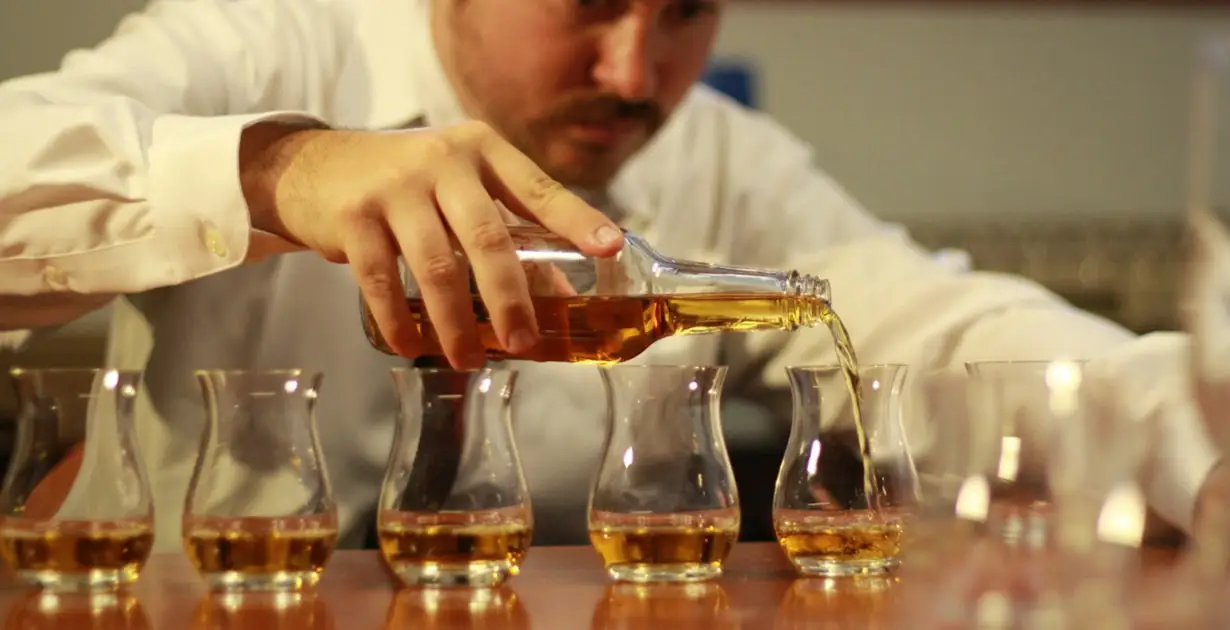
“Bourbon is just whiskey from Kentucky, right?”
The whisky industry finds itself in the midst of a renaissance, with distillers from Kentucky to Speyside struggling to meet surging global demand. Yet with this explosion of interest comes confusion – even seasoned drinkers sometimes pause when asked to explain what truly sets bourbon, rye, and Scotch apart.
The distinctions matter more than you might think. Each style brings its own unique character to the glass, shaped by strict regulations, ingredient choices, and centuries of tradition. Understanding these differences isn’t just about impressing friends – it’s about finding the perfect dram for your palate.
Quick whisky question
Single malt is everywhere, but what does it mean? We want to know what the word “single” means to you. Three quick questions, under a minute.
What Makes Bourbon America’s Spirit?
For a whiskey to earn the coveted title of bourbon, it must follow some of America’s strictest spirit regulations. By law, bourbon must be produced in the United States from a specific mash bill (the recipe of grains used in production) containing at least 51% corn, with the remainder typically split between rye and malted barley. It must be aged in new, charred oak barrels and cannot enter the barrel at higher than 125 proof (62.5% ABV).These exacting standards create bourbon’s distinctive flavour profile. The high corn content and new oak maturation deliver the rich sweetness and vanilla notes that bourbon lovers cherish. Expect waves of caramel, vanilla, and baking spices, often accompanied by hints of orange peel and toasted nuts.
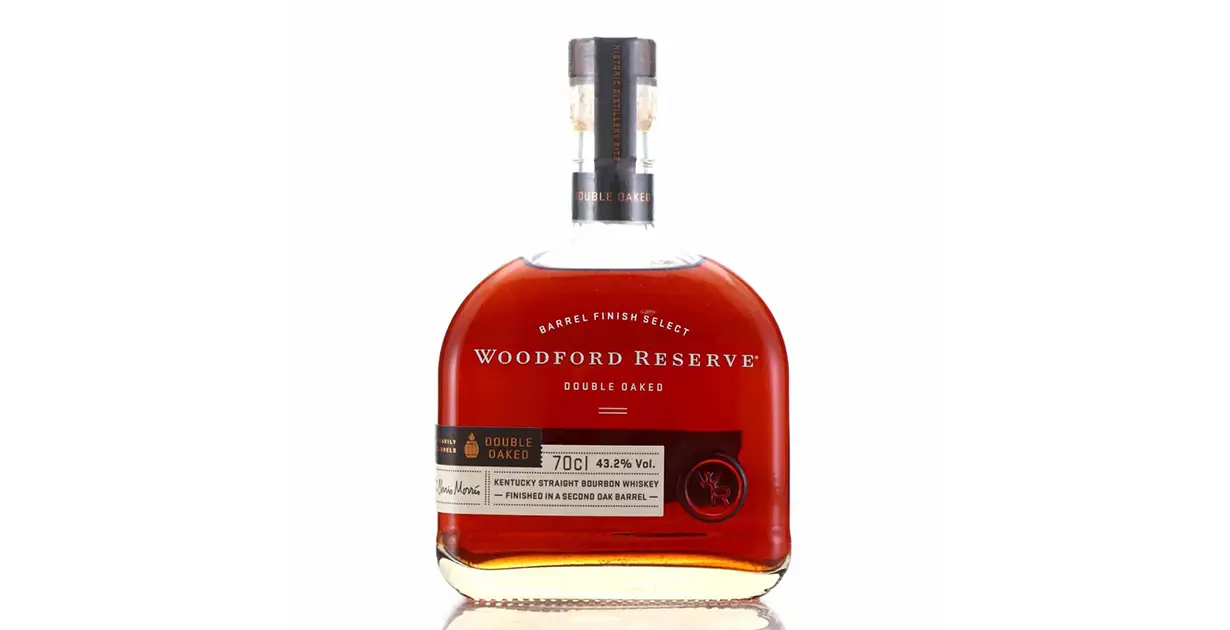
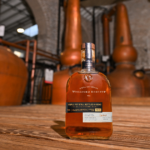
For those seeking the perfect introduction to bourbon’s charms, look no further than Woodford Reserve Double Oaked (43.2% ABV, $38.95). This premium expression takes the brand’s renowned bourbon and finishes it in specially toasted oak barrels, creating a next-level Old Fashioned cocktail. The double maturation process amplifies those characteristic bourbon notes, delivering intense caramel, pineapple, and cinnamon flavours that shine whether sipped neat or mixed.
Beyond the Old Fashioned, bourbon shines in classic serves like the Mint Julep, where its sweetness balances fresh mint, or the Gold Rush, which pairs bourbon’s vanilla notes with honey and lemon.
What Will Whisky Look Like in 2027? Voices from Whisky Live Paris
READ THE STORYPopular Bourbon Brands to Know
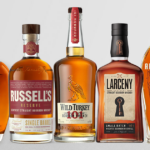
Beyond Woodford Reserve, bourbon’s landscape features several key players. Buffalo Trace produces both its affordable namesake bourbon and the prestigious Pappy Van Winkle range. Jim Beam, the world’s largest producer, offers options from their white label to premium Booker’s, while Maker’s Mark provides a smoother, wheat-forward alternative.
Understanding Rye Whiskey’s Renaissance
Like bourbon, American rye whiskey follows strict legal guidelines. The key difference lies in the mash bill – rye whiskey must contain at least 51% rye grain, with the remainder typically split between corn and malted barley. It follows the same aging requirements as bourbon: new, charred oak barrels and distillation limits.Rye delivers a distinctly different character in the glass. Where bourbon leads with sweetness, rye whiskey brings a bold, spicy profile. For those seeking to dive into the world of bolder whiskies, rye stands alongside peated Scotch as one of whiskey’s most characterful expressions. Expect black pepper, cinnamon, and nutmeg notes, often complemented by dried fruit and citrus peel, creating a drier finish that makes it particularly suited to classic cocktails like the Manhattan.The Sazerac, New Orleans’ official cocktail, traditionally demands rye whiskey, with its spice profile standing up beautifully to absinthe and Peychaud’s bitters. The Brooklyn cocktail, a drier variation of the Manhattan, also relies on rye’s robust character.
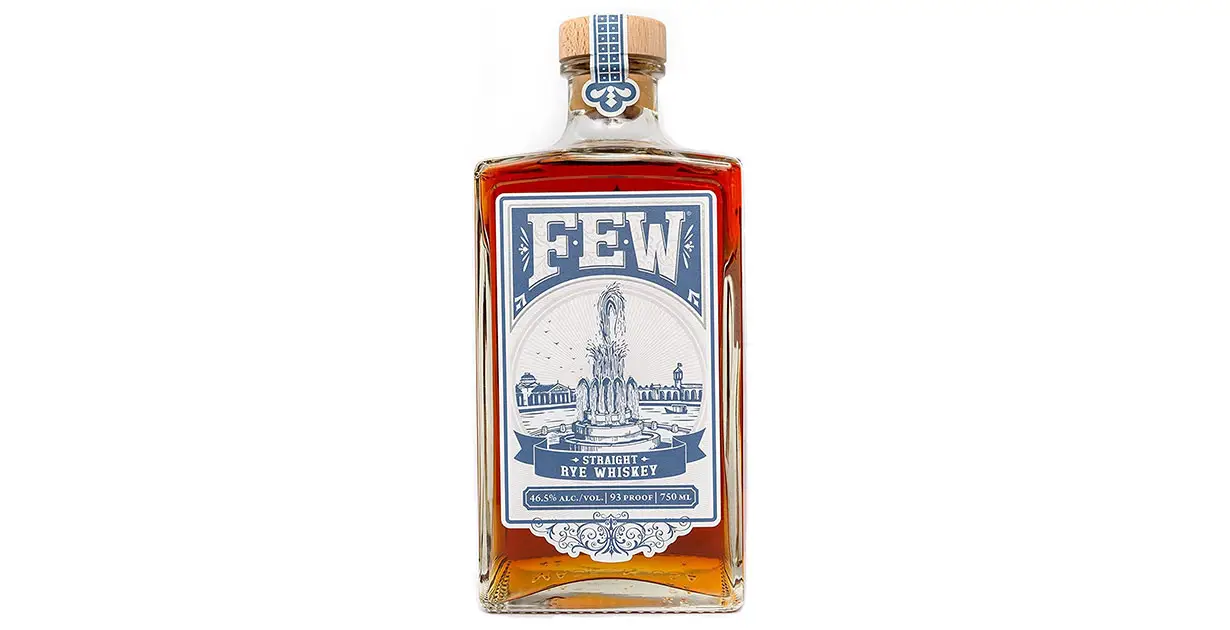
($38) stands as a perfect gateway into this category. Crafted in Evanston, Illinois – ironically once a stronghold of the temperance movement – this 70% rye mashbill whiskey tells a fascinating story. The distillery’s name cheekily honours Frances Elizabeth Willard, a key figure in the Woman’s Christian Temperance Union who made Evanston her home. Today, master distiller Paul Hletko (former attorney, professor, and guitar pedal builder) crafts this remarkable spirit in what was once a dry county long after Prohibition’s end.
The high rye content delivers warm, bold flavours perfect for conquering Midwest winters. Each sip reveals layers of winter spices, beautifully tempered by the corn component that rounds off the edges without diminishing rye’s distinctive character. It’s a true winter warmer that demonstrates why rye whiskey has captured the imagination of both bartenders and enthusiasts.
Popular Rye Brands
The category features several standout producers. Rittenhouse Rye offers excellent value for cocktails, while Michter’s and WhistlePig craft premium expressions. Pikesville Rye, at 110 proof, delivers robust flavour that has earned critical acclaim, and High West showcases rye’s versatility through creative barrel finishing.
Exploring Scotch Whisky’s Heritage
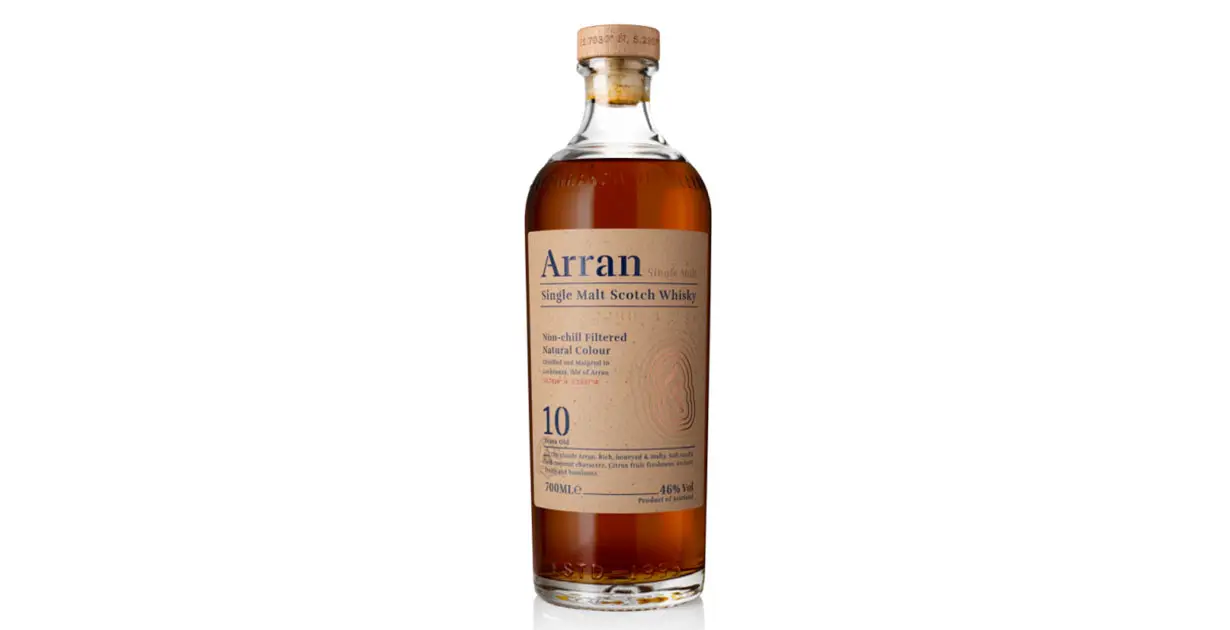
Unlike its American cousins, scotch whisky (note the missing ‘e’) must be produced and aged entirely within Scotland. The regulations demand at least three years of maturation in oak casks, though most age significantly longer. The only permitted ingredients are water, malted barley, and other whole grains, with production methods honed over centuries.Scotch whisky divides into two main categories. Single malt Scotch must be made from 100% malted barley at a single distillery, while blended Scotch combines malt whisky with grain whisky from multiple distilleries. Each style offers its own merits – single malts showcase a distillery’s unique character, while skilled blending creates consistently elegant whiskies.One of 2025’s most compelling value propositions comes from the Isle of Arran. Their 10 Year Old ($48) embodies the best of modern Scotch whisky – unpeated, naturally coloured, and bottled at 46% ABV. Recently crowned as Ralfy’s Whisky of the Year 2025, this expression from the nearly 30-year-old distillery delivers exceptional quality without hype or pretense.
In cocktails, Scotch whisky offers unique versatility. The Rob Roy, essentially a Manhattan made with Scotch, showcases the spirit’s complexity, while the Blood and Sand pairs it surprisingly well with orange juice and cherry liqueur. For something simpler, the Rusty Nail pairs Scotch with Drambuie, a whisky-based liqueur.
The influence of peat – decomposed vegetation used to dry malted barley – creates another dimension in Scotch whisky. This traditional fuel source imparts distinctive smoky, medicinal, and maritime notes that define iconic Islay whiskies like Laphroaig and Ardbeg. However, many regions, including Speyside giants like The Macallan and Glenfiddich, typically produce unpeated whiskies focusing on fruit and honey notes.
Notable Names in Scotch
What Is Best For You?
Whether you begin with bourbon’s sweet warmth, rye’s bold spice, or Scotch whisky’s timeless traditions, each style opens a door to new discoveries. Start with our recommended bottles – Woodford Reserve Double Oaked, F.E.W Rye, or Arran 10 Year Old – then let your palate guide you further. After all, the best whiskey isn’t the most expensive or the rarest – it’s the one in your glass that brings you joy.
 Latest On The Whiskey Wash