





In July 2025, a freight truck pulled up to Westland Distillery’s warehouse in Burlington, Washington. The driver looked official, the paperwork checked out, and workers loaded the truck with 12,000 bottles of whiskey worth nearly $1 million. Then it was gone.
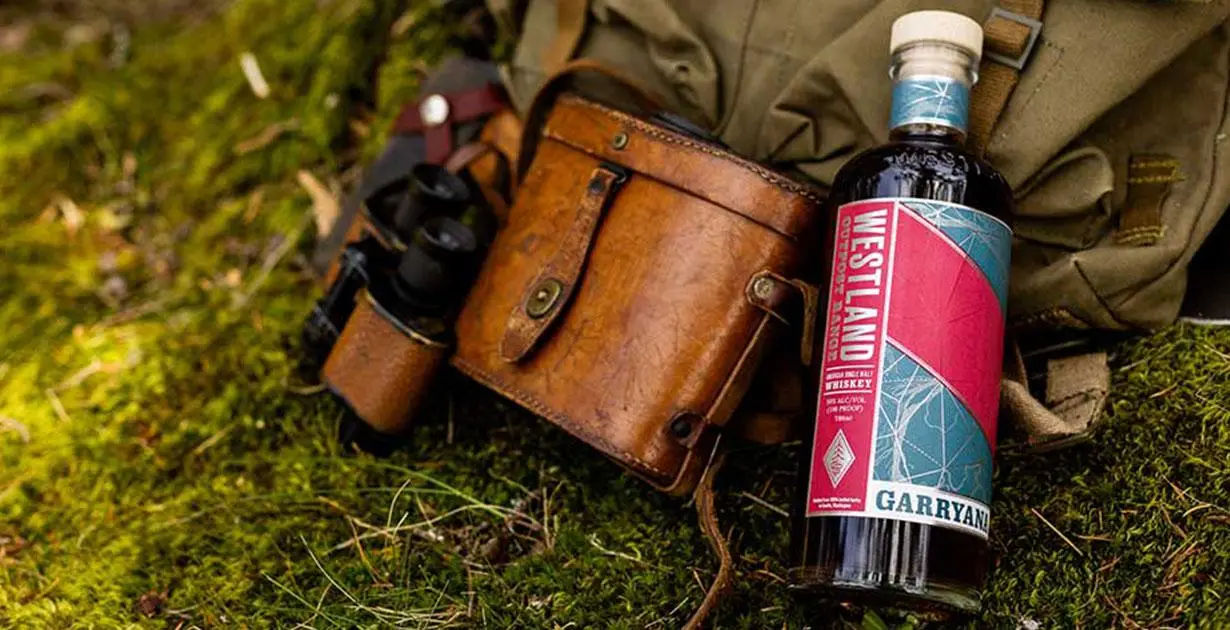
The haul included Westland’s newest American single malt and hundreds of bottles of the 10-Year-Old Garryana, a rare anniversary release that took a decade to produce. By the time the distillery realized what had happened, the truck and its cargo had vanished.
Investigators say the thieves used fraudulent shipping documents in what appears to be a carefully planned freight scam. But the real mystery isn’t how they pulled it off. It’s what comes next.
What Will Whisky Look Like in 2027? Voices from Whisky Live Paris
READ THE STORYHow do you sell thousands of bottles of rare, traceable whiskey without getting caught? And where could all that stolen Westland whiskey end up?
What Happened?
The heist took place on July 31, 2025, at Westland Distillery’s storage warehouse in Burlington, about 70 miles north of Seattle. According to AP News, a man driving a freight truck arrived with what appeared to be legitimate shipping papers. Staff loaded more than 12,000 bottles of Westland whiskey onto the truck. It never arrived at its destination.
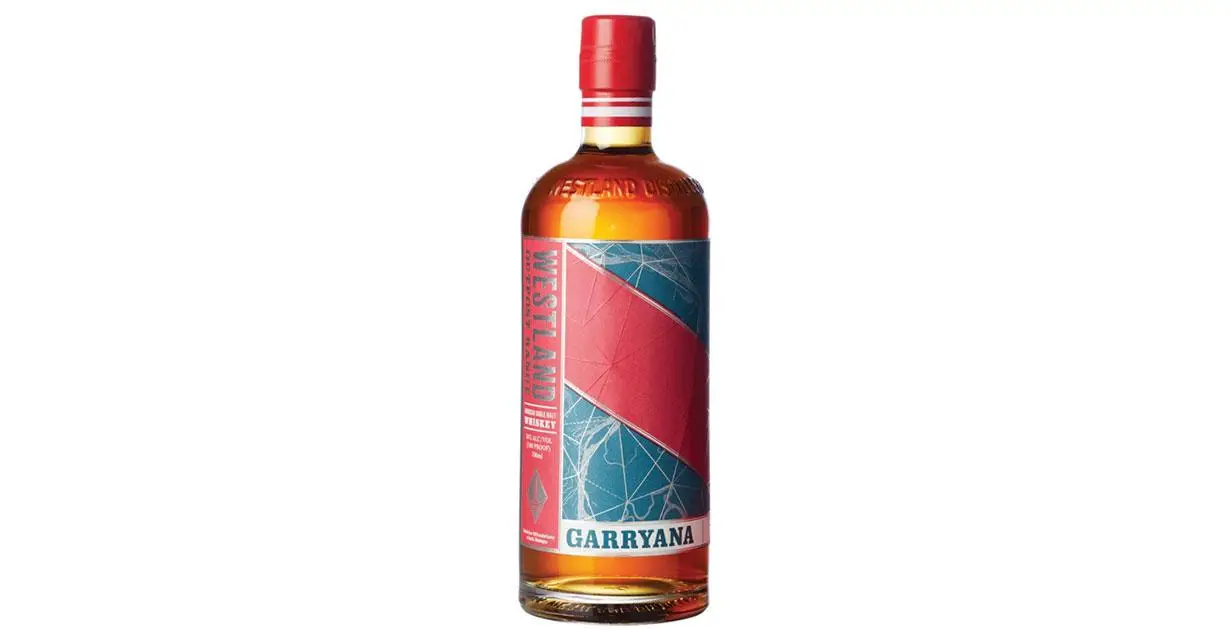
The stolen shipment included bottles of Westland’s flagship American single malt, a new expression called Watchpost, and around 3,000 bottles of the Garryana 10 Year Old. That release marked Westland’s tenth anniversary and represented years of aging and experimentation with native Garry oak.
 Trending Content


A week later, when the whiskey failed to show up in New Jersey, the distillery discovered the fraud and alerted law enforcement. Westland confirmed to AP News that the theft was carried out through “a sophisticated, fraudulent carrier scheme.”
Police are now working with federal agencies to track down the missing stock, but there are few leads. For Westland, the financial loss is significant, but the emotional hit may be even greater. Many of the stolen bottles were irreplaceable.
Why Selling It Is So Difficult
Stealing the whiskey was easy. Selling it is almost impossible.
Each bottle of Westland whiskey is branded and traceable. Collectors know exactly how many exist. The Garryana 10-Year-Old, for example, had only 7,500 bottles. If thousands suddenly appeared for sale, people would notice immediately.
Then there’s U.S. alcohol law. The strict three-tier distribution system means only licensed distributors and retailers can sell spirits. Stolen bottles can’t legally re-enter the market, and even private sales are restricted in most states.
Major auction houses verify provenance, and online platforms like eBay ban whiskey sales altogether. Mark Gillespie, host of WhiskyCast, told AP News: “It’s going to be really hard for whoever took this to get it onto the market, because what they took was so rare that everybody knows about it.”
Where Could It All End Up?
With 12,000 bottles missing, the big question is what happens next. There are only a few realistic options, and none are easy.
Local Resale at Discount Prices
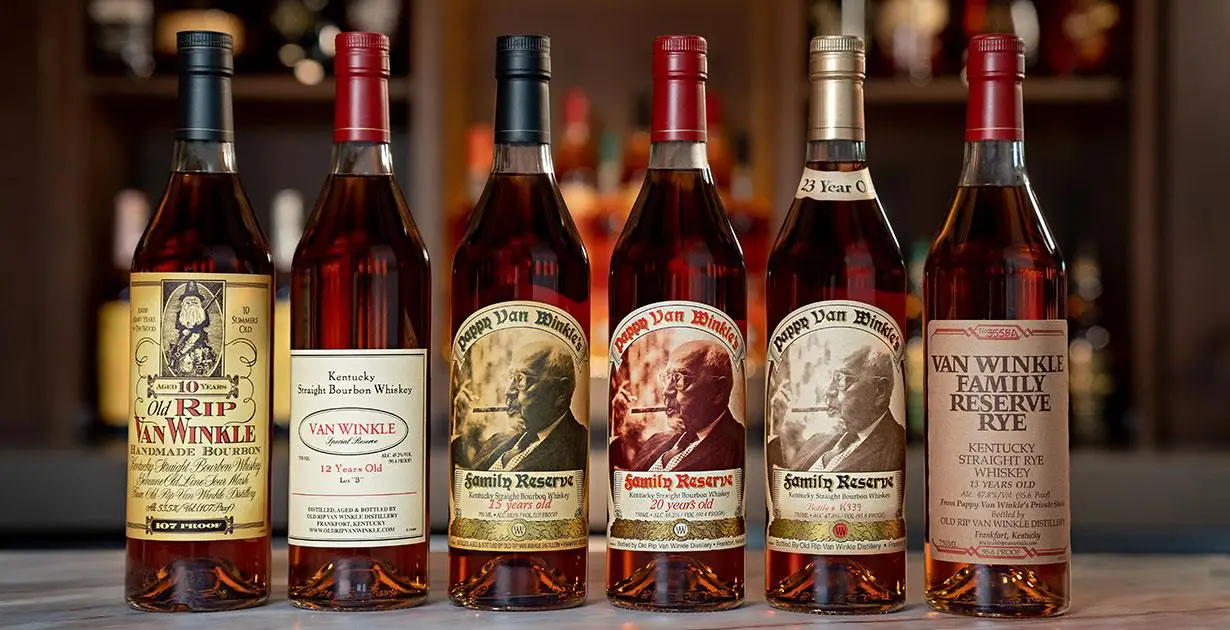
The thieves could try selling bottles quietly and cheaply. It’s been done before. In the 2013 Pappy Van Winkle theft, stolen bourbon was sold to friends and local buyers until a tip exposed the scheme.
Doing that in Washington would be far riskier. Westland has a loyal fan base, and the Garryana 10-Year is instantly recognizable. Gillespie told the AP, “If somebody offers you a case of Westland whiskey right now, I’d call the cops.”
Selling a few bottles might slip under the radar, but moving thousands would take years.
Exporting It Overseas

Another option is to ship the whiskey abroad. Gillespie noted that stolen scotch shipments have often surfaced in Russia. In theory, the Westland bottles could be smuggled to a market with weaker enforcement.
But customs checks, shipping records, and the brand’s global reputation make this risky. Westland’s Garryana is too well known to quietly reappear overseas.
Re-bottling or Re-labeling
The thieves might try disguising what they stole. In the wine world, Rudy Kurniawan made millions re-bottling cheap wine as rare vintages. Whiskey fraudsters have done similar refills.
Re-bottling 12,000 bottles, though, would need equipment, packaging, and storage. It would also erase the Westland name that gives the whiskey its value.
Private Collectors and the Shadow Market
The whiskey could also vanish into a private collection. In 2021, thieves stole €1.6 million worth of fine wine from Spain’s Atrio restaurant, believed to be for a private buyer.
A wealthy collector might pay for exclusivity, taking the whole lot off the grid. If so, the whiskey may never surface again.
What History Tells Us
Whiskey thefts aren’t new, but few end well for the thieves.
In the Pappy Van Winkle case, hundreds of stolen bourbon bottles were sold locally before the ringleader was caught. Only a fraction were ever recovered. Smaller heists tend to follow that pattern: quick local sales, then arrests once word spreads.
Larger thefts are harder to hide. In 2020, thieves in Scotland stole 2,400 cases of Glenfiddich whisky worth about £200,000. The empty trailer was found, but the cargo vanished. Police later warned bars to beware of cheap Glenfiddich. It never resurfaced.
Even when suspects are caught, the whiskey usually isn’t. Collectors may drink it, keep it hidden, or quietly pass it on. Once bottles leave the legal supply chain, tracing them becomes almost impossible.
The lesson is simple: the bigger the haul, the harder it is to move, and the more likely it is to disappear completely.
A Heist That’s Harder to Cash In On
Pulling off the Westland heist took planning and nerve. Turning it into profit may be impossible.
Twelve thousand bottles of rare American single malt can’t quietly slip into the market. Every route carries risk: local resale invites exposure, overseas export is traceable, and re-bottling erases the value that makes the whiskey worth stealing. Even a private buyer would struggle to enjoy it without drawing attention.
The likely outcome is that much of the whiskey will vanish. Some bottles might reappear years from now. Others may never be found. For now, Westland’s missing Garryana remains a cautionary tale.
If a bottle turns up at an unbelievable price, think twice. As experts have warned, there’s no such thing as a cheap Westland 10-Year. And for those behind the heist, one truth seems certain: stealing a million dollars’ worth of whiskey is the easy part. Selling it is the hard part.