Skip to content




Food and medicine have travelled together through history like horse and carriage. Shamans gave way to alchemists, alchemists to monks with their herb gardens and stills, and they in turn to modern scientists with microscopes. Beer was brewed, remedies were compounded, and each generation built on the last.
For most of that time, though, nobody was checking. Nothing guaranteed that what you ate, drank or swallowed was what the seller said it was, or that it wouldn’t kill you. So when did someone finally step in?
In America, the answer runs straight through a whiskey distillery.
Grain In, Whiskey Out, and Then the Slop
In the early nineteenth century American farmers found that the easiest way to profit from surplus grain was to turn it into whiskey. A barrel of spirit was worth far more than the corn that made it, and it was much easier to move. Distilleries spread, including in and around New York City.
Every still threw off huge quantities of spent mash: the hot, sour, still-boozy dregs left behind once the spirit was drawn off. Distillers wanted rid of it. Urban dairymen wanted cheap feed. You can probably see where this is going.
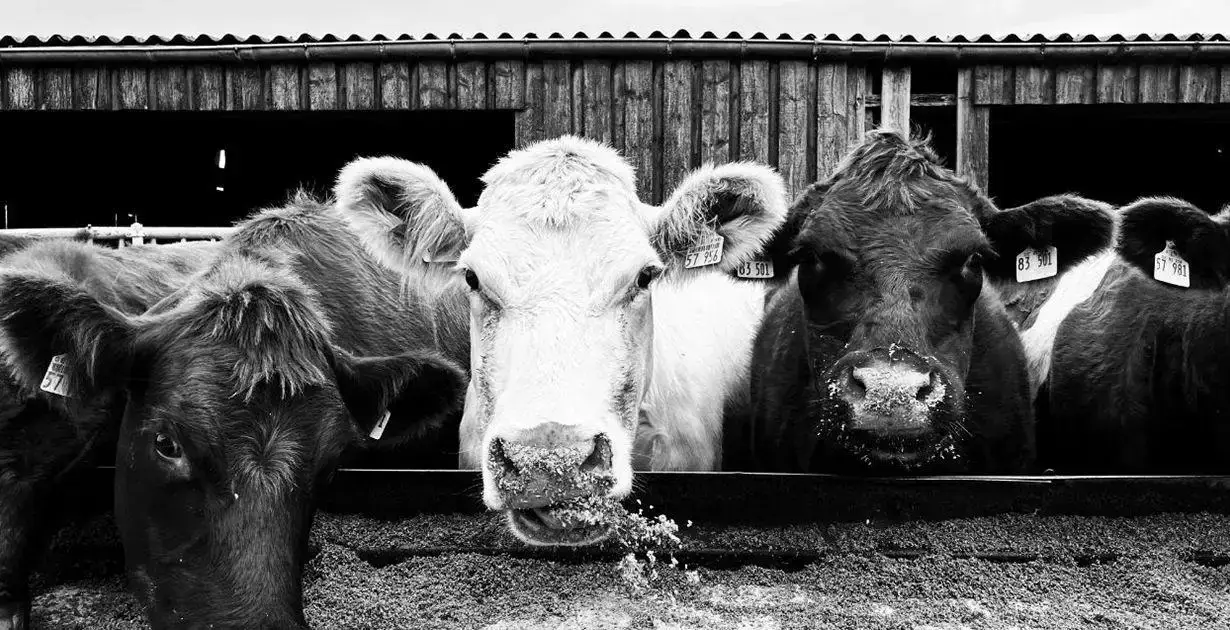
Dairies sprang up right next to distilleries, sometimes with the slop piped straight from still to trough. Hundreds of cows were packed into dark, filthy sheds and fed almost nothing but warm swill.
Blue Milk and Plaster of Paris
The cows did not do well. The alcohol-laced mash weakened them, and the cramped, unsanitary barns did the rest. Disease spread through the herds. Some animals were so sick they could barely stand, yet they were still milked.
What came out barely deserved the name. Swill milk was thin, watery and faintly blue, with very little nutritional value. No customer would buy it as it was.
So the dairymen improved it. Contemporary reports, including in the New York Times, describe how the milk was doctored with plaster of Paris, chalk, starch and eggs to make it look thick and white, sometimes with a dash of molasses for a creamy tint. Then came the final insult: it was sold as “Orange County Milk,” as if it had come fresh from the green pastures upstate.
The people who drank the most milk paid the heaviest price. Infant mortality in New York soared, and swill milk was widely blamed for thousands of children’s deaths a year. Picture a mother doing everything right, buying “country milk” for her baby, and handing over a bottle of diseased cow’s milk thickened with plaster.


The Press Picks a Fight
For decades the trade carried on. There was money in it, and the distillers, dairymen and the politicians who protected them had little interest in reform.
What changed things was publicity. Physicians and reformers had been warning about swill dairies for years. In the 1850s journalists took up the cause, and Frank Leslie’s Illustrated Newspaper ran a sensational exposé with engravings of dying cows propped up on slings to be milked. The images shocked readers in a way statistics never had.
New York eventually passed laws against swill milk, but enforcement was patchy. Across the country, the same story repeated with other foods: adulterated coffee, coloured sweets, “medicines” laced with opium. By the turn of the twentieth century these scandals had come together into the Pure Food and Drug Movement, a loud and organised demand that the government protect consumers from poisonous and fraudulent products.
1906: The Law Arrives
In 1906 Congress passed the Pure Food and Drug Act. For the first time, the federal government had the power to act against adulterated and misbranded food and drugs. The law laid the foundations for the agency we now know as the Food and Drug Administration.
And here whiskey turns up again. One of the first big fights under the new law was over a question every whisky geek will appreciate: what is whiskey? Straight-whiskey distillers argued that only spirit made the traditional way deserved the name. Rectifiers, who mixed neutral spirit with colouring and flavouring, disagreed. The row went all the way to President Taft, whose 1909 ruling still shapes American whiskey labels today.
From the Still to the Statute Book
It would be too much to say whiskey created the FDA on its own. Plenty of other scandals fed the movement. But the line from the still to the statute book is hard to miss.
Distillers needed somewhere to dump their slop. Dairymen fed it to sick, confined cows. The thin blue milk was whitened with plaster and sold as country-fresh to families who trusted it. Children died, the press exploded, and America started down the road towards one of its first great public health reforms.
So next time you raise a glass of bourbon or rye, spare a thought for the swill-fed cows of nineteenth-century New York. Your whiskey has a darker history than the label lets on.