Pour a dram of Islay, pass it round the table, and someone will call it “smoky.” Someone else will call it “peaty.” Heads nod. Nobody argues. But those two words describe different things, and once you learn to tell them apart, you’ll never taste a peated malt the same way again.
Not All Peat Is Created Equal
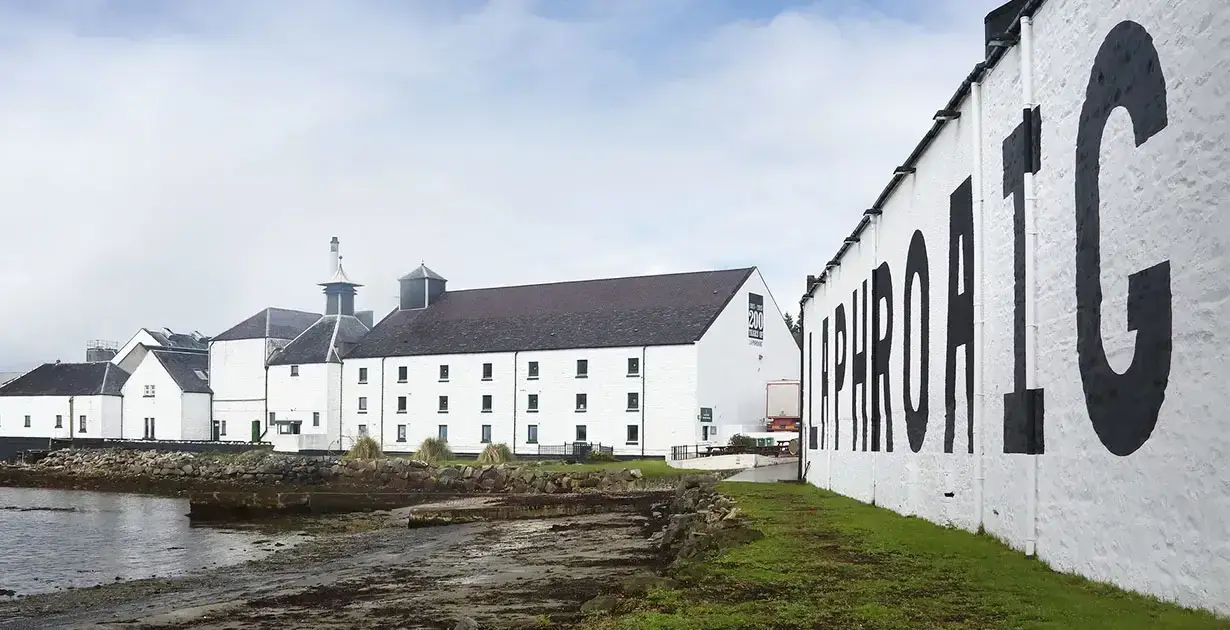
Peat is partially decayed vegetation compressed over thousands of years, so what grew in the bog matters. Islay’s peat forms in a salt-lashed maritime environment, rich in marine vegetation and woody lignin. Burn it and you get cresols (soot, tar, antiseptic) plus deep, brooding smoke from the lignin. Hello, Laphroaig.
Now hop north to Orkney. Barely a tree in sight, so the peat is built mostly from mosses and heather. Little lignin, softer smoke, herbal and floral edges. It’s a big part of why Highland Park pairs gentle smoke with honeyed sweetness instead of hitting you with a sticking plaster.
What Will Whisky Look Like in 2027? Voices from Whisky Live Paris
READ THE STORYMainland peat plays its own game. St Fergus in Aberdeenshire is, like Islay, loaded with phenols, guaiacol and syringol. Tomintoul in Speyside gives off more carbohydrates and a softer, less phenolic smoke. Even depth matters: fibrous upper layers throw off more smoke and phenols, while the dense, compacted peat underneath burns hotter but smokes less.
Soot vs Soil: The Distinction That Changes Everything
- Smoky (soot): carbonised, chemically reacted, inorganic. Burnt wood, charcoal, scorched fabric: the acrid sting of a barbecue.
- Peaty: organic, earthy, vegetal. Damp soil, decaying seaweed, iodine, roots, boiled greens.
Your senses can separate them if you know where to look:
- On the nose: soot is sharp and acrid, like charcoal catching. Peat is moist earth, seaweed rotting on the shore, fossilised vegetation.
- On the palate: smoke reads as ash, charcoal, cigar. Peat shows up as roots, liquorice, wet earth and sometimes dried flowers.
- On the finish: this is where they really part ways. Soot leaves your mouth dry and ashy. Peat leaves it moister, with over-boiled vegetables, unripe fruit and the sour-bitter snap of green stems.
Try it at your next tasting. Dry ash or damp earth? It’s rarely all one or the other.
 Trending Content


Meet the Phenols
The culprits behind all of this are phenols: a benzene ring with a hydroxyl group attached. Bolt extra groups onto that ring and you get a whole family of derivatives, each with its own personality. (Same chemistry, by the way, that makes plants, fruit and vegetables bitter and astringent.)
When peat burns in the kiln, phenols cling to the barley husks and ride all the way into the spirit. The key players:
- Phenol: medicinal, antiseptic
- Cresol: tar, smoke, disinfectant
- Xylenol: plastic, burnt wood
- 4-Ethylphenol: smoky, leathery, spicy
- Guaiacol: sweet smoke, clove; the heart of “peat reek”
- 4-Ethylguaiacol: sweet-spicy, clove, smoky warmth
- Syringol: sweet campfire smoke, long finish
Fire temperature tilts the mix. Push a peat fire from 400°C towards 750°C and phenol and cresol levels climb while guaiacol drops. A hot fire leans medicinal and tarry; a cooler smoulder leans towards sweet, spicy smoke. Humidity counts too: barley absorbs peat smoke best at 15–30%.
The Great Survivors
Phenols are tough. They dissolve into hot water at mashing, endure days of fermentation and survive the heat of the stills. They’re still detectable in the charred layer of casks after 10–20 years.
But they don’t come through unscathed. New make spirit typically carries 30–70% less phenol than the malted barley it came from, and maturation is where the biggest losses happen. The longer the whisky sleeps, the quieter the smoke.
Want proof? Put Laphroaig 10 next to the 30-year-old. The 10 is all iodine, medicine and seaweed. The 30 has traded much of that for creamy malt and rich fruit. Same distillery, same peat; time did the rest.
The PPM Trap
Which brings us to the number whisky geeks love to quote. The ppm on a label measures phenols in the malted barley before distillation, not what ends up in your glass.
Exhibit A: Bruichladdich’s Octomore 7.1, peated to 208 ppm. Exhibit B: Lagavulin 16, at around 35 ppm. That’s nearly six times the ppm. Does Octomore taste six times smokier? Not even close. Still design, cut points, copper contact, cask type and age all reshape how those phenols come across.
Treat ppm as a technical spec, not a smoke-o-meter. Your nose, palate and finish are the only instruments that count.
The Cheat Sheet
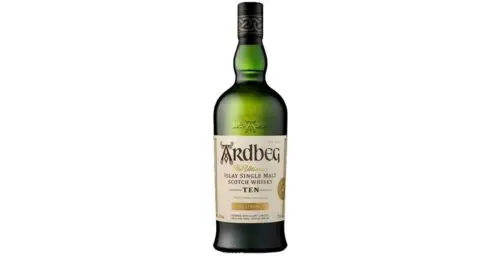
- Islay (Laphroaig, Lagavulin, Ardbeg): heavy on cresol and guaiacol, so medicinal, tarry and iodine-led.
- Orkney (Highland Park): low lignin, so softer, floral and heathery.
- Highlands: more syringol and eugenol, giving sweet, lingering campfire smoke.
- Distillery design: copper and cut points can change everything.
So next time someone calls your dram “smoky,” ask them: soot or soil? Then sit back and enjoy the argument.