




The whisky highball is one of the simplest drinks you can make. At its best, it is crisp, refreshing, and quietly expressive. But, at its worst, it tastes thin and forgettable. This guide explains what a highball really is, how to make it properly, and why it has become whisky’s most accessible serve.
What Is a Highball?
A highball is a tall drink made by combining a base spirit with a carbonated mixer over plenty of ice. It is usually served in a highball or Collins glass. The structure is simple by design. Spirit, bubbles, and dilution are the point.
In whisky terms, a highball most often means whisky and soda water. The goal is not to hide the whisky, but to stretch it. Carbonation lifts aroma, the cold temperature softens alcohol, and the dilution lowers intensity without flattening flavor.
What Will Whisky Look Like in 2027? Voices from Whisky Live Paris
READ THE STORYThat simplicity is exactly why highballs reward good technique and good ingredients.
What’s in a Whisky Highball? The Simple Formula
The modern whisky highball is built around balance rather than strength. Most bartenders start with a ratio of one part whisky to between two and a half and three parts soda water. This keeps the drink refreshing while allowing the whisky to remain clearly identifiable.
In practice, this usually means 50 ml of whisky topped with 125 to 150 ml of soda. Any shorter than that, and the drink can feel hot. Longer than that and it risks tasting thin.
 Trending Content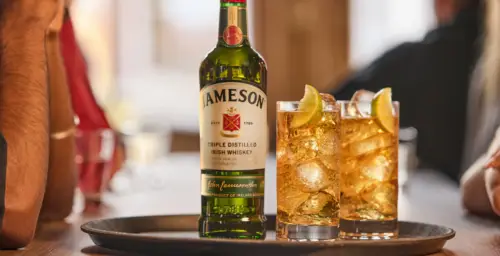


A highball should be filled completely with large, solid ice. This slows dilution and keeps carbonation intact. Using tall, narrow glassware helps preserve bubbles and temperature.
A Short History of the Highball and Why Japan Changed Everything
The highball did not start in Japan. Long drinks built around spirits and soda were already common in Britain and the United States by the late nineteenth century. Whisky and soda was practical, refreshing, and easy to reproduce. What Japan did differently was turn that everyday serve into a cultural default, then refine it with intent.
The modern Japanese highball is closely linked to Suntory and its founder Shinjiro Torii. In the postwar period, Suntory promoted whisky as something that could be enjoyed with food rather than after it. The highball fit that goal perfectly. It was lighter, lower impact, and social.
One whisky became central to that shift. Kakubin, first released in 1937, was positioned as a reliable, everyday whisky that worked especially well with soda. That identity was reinforced decades later during Japan’s highball revival in the late 2000s, when Suntory actively pushed the drink in bars and restaurants nationwide.
At the same time, elite bars in Tokyo elevated technique. These places showed how precision with ice, temperature, and carbonation could transform a simple drink. The result was a highball that felt deliberate without being precious.
Japan did not reinvent the highball. It simply showed how good it could be.
Why the Highball Works So Well With Whisky
A whisky highball works because it changes how whisky is experienced. Carbonation lifts aroma as bubbles rise, making lighter notes easier to pick out. Cold temperature reduces alcohol heat and keeps the drink bright rather than heavy.
The longer format also changes texture. Whisky feels cleaner and more refreshing when chilled and lightly carbonated. Flavors are easier to separate, not harder to find.
Highballs are also naturally food-friendly. They refresh the palate instead of coating it, which explains why whisky and soda became such a common everyday serve.
How to Make a Proper Whisky Highball at Home
Making a good whisky highball is one of the simplest ways to enjoy a dram at home if you are not feeling a neat pour. Here is how I prepare mine.
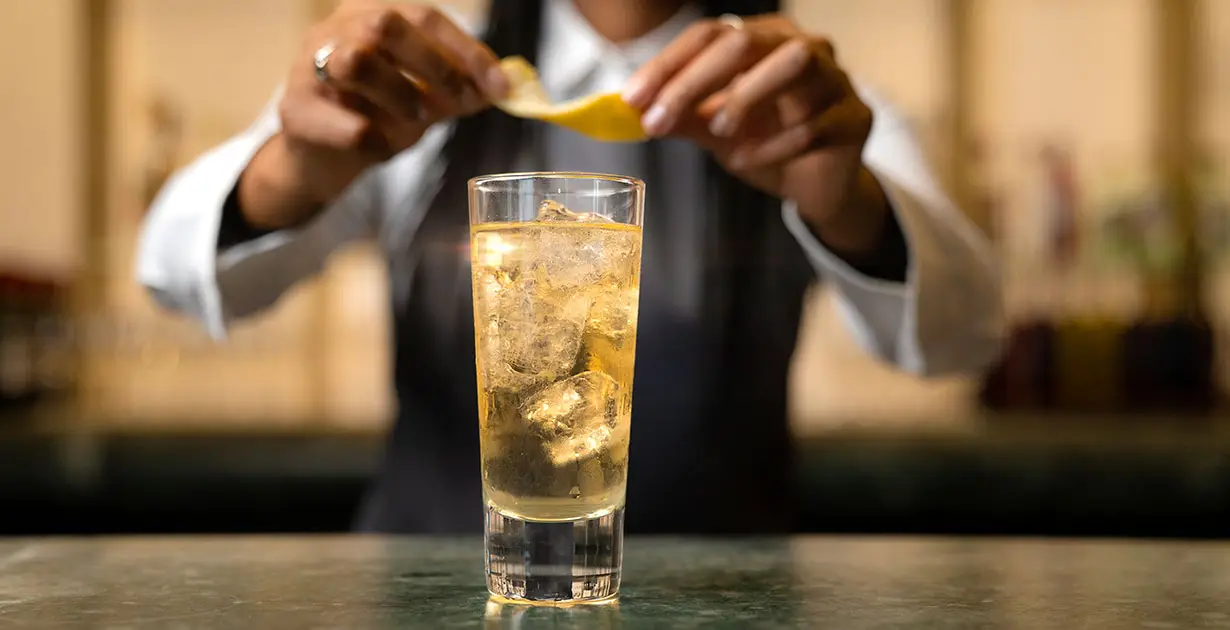
Start by chilling the glass. A cold glass slows dilution and helps preserve the bubbles in whatever carbonated mixer you use. Fill it completely with large, solid ice. A full glass melts more slowly than a half-filled one and keeps the drink stable.
Pour in the whisky first. This allows the spirit to chill against the ice before soda is added. You can briefly stir at this point to bring the whisky down to serving temperature, but don’t overdo it.
Next, add very cold, freshly opened soda water (or whatever mixer you like). Freshness matters because carbonation dissipates quickly once opened. Pour gently down the inside of the glass to avoid knocking out bubbles.
If you stir at all, do it once. A single, gentle lift from the bottom of the glass is enough to combine the drink. Aggressive stirring flattens the bubbles and makes the highball feel dull.
A garnish is optional. But personally, I love my highball with either a lemon twist, a very thin lemon slice, a sprig of mint, or even a slice of cucumber.
The guiding principle here is the preservation of the whisky’s character and of the carbonation. When those elements line up, the highball stays crisp from first sip to last.
Choosing the Right Whisky for a Highball
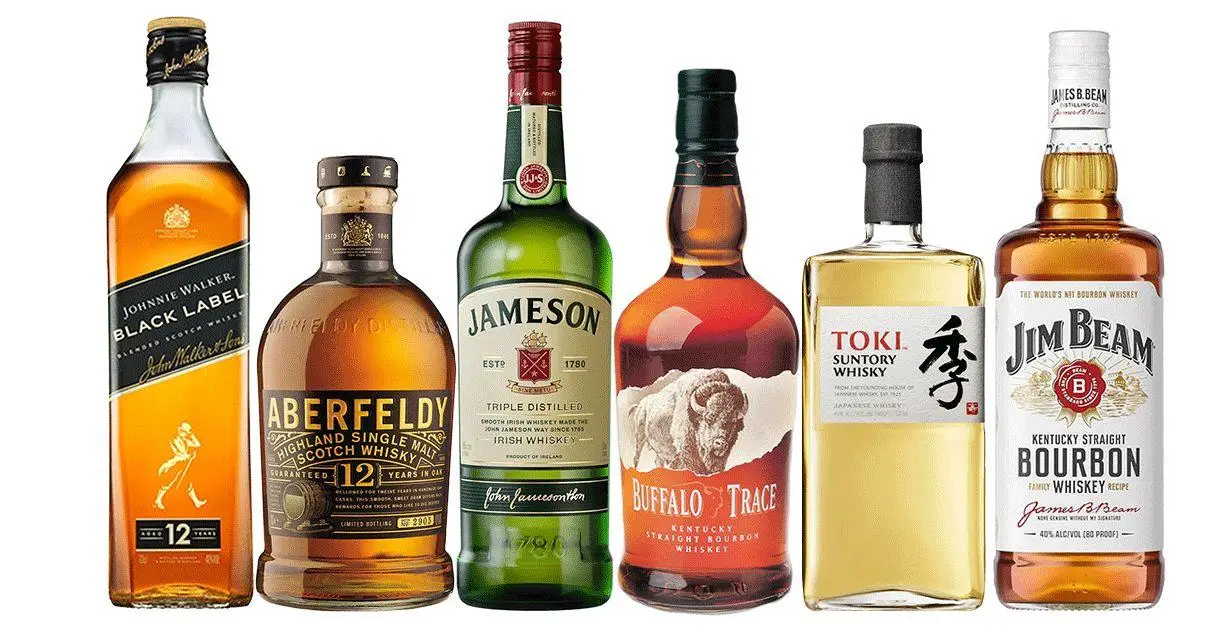
Not every whisky works well in a highball. The best choices share a few traits. They are balanced. They have clear, readable flavors. And they remain expressive once chilled and diluted.
Japanese whiskies are an obvious starting point. The House of Suntory Toki was designed with highballs in mind and stays bright with soda. Nikka Whisky Days is slightly rounder, with a touch of smoke that still feels clean in a long serve.
For Scotch, blended styles often perform well, but they are not the whole story. Monkey Shoulder brings malt sweetness that carries through dilution. Johnnie Walker Black Label 12 Year Old adds light smoke and structure, especially when kept on the shorter side. Diageo also recommends enjoying Black Label with ginger ale: the Johnni & Ginger.
Then there is Aberfeldy 12 Year Old. This was the best highball I have ever had. Do not let anyone tell you that single malt Scotch cannot be mixed. In this case, the honeyed character was elevated. The whisky became clearer and more expressive, and some mint sprigs brought out underlying citrus notes. It was a wonderful summer’s day serve, and remains a go-to for me.
American whiskeys also work well in highballs. Buffalo Trace delivers vanilla and caramel that stay present with soda. Jim Beam White Label is robust, familiar, and well-suited to longer serves.
I am also a huge fan of a Jameson & Ginger. If you’re lucky enough to visit the Bow St. Distillery in Dublin, as I did last year, you will have the opportunity to drink a complimentary one of these. Oh boy, was it delicious. Jameson with ginger ale is not a classic soda highball, but it remains super simple and effective.
Soda, Tonic, or Ginger Ale? Choosing the Right Mixer
Soda water is the default mixer for a reason. It adds lift without imposing flavor. You taste the whisky, just lighter and fresher. This is why most professional guidance starts with soda rather than anything sweeter or more aromatic.
Carbonation quality matters. Well-carbonated soda carries aroma more effectively and stays lively longer. Temperature matters just as much. Cold soda holds carbonation better than warm soda, which is why bars store it in the fridge and open bottles only when needed.
Tonic water changes the drink entirely. Quinine adds bitterness and sweetness, which can overwhelm lighter whiskies. With richer styles, tonic can work, but it stops being a classic whisky highball and becomes a flavored variation.
Ginger ale is the softest entry point. It adds sweetness and gentle spice, which reduces alcohol bite. This is why it pairs so well with Irish whiskey and bourbon. The trade-off is clarity. Ginger ale masks more than soda, so it suits robust whiskies better than delicate ones.
If there is one rule worth remembering, it is this. Choose the mixer based on how much of the whisky you want to taste.

Whisky Highball FAQs
What is a highball drink?
A highball is a tall drink made by combining a base spirit with a carbonated mixer over ice. In whisky terms, it most often means whisky and soda water, served cold and lightly diluted.
What is in a whisky highball?
At its simplest, whisky, soda water, and ice. A light citrus twist is optional. There are no syrups or juices in a classic serve.
What is the best ratio for a whisky highball?
Most professional guidance lands between one part whisky to two and a half or three parts soda. This keeps the drink refreshing without losing definition.
Can you use single malt Scotch in a highball?
Yes. Some single malts become clearer and more expressive when lengthened with soda, provided the whisky has balance and structure.
Soda or tonic for a whisky highball?
Soda keeps the whisky transparent. Tonic adds bitterness and sweetness, creating a different drink.
Final Thoughts
The whisky highball succeeds because it respects the spirit rather than disguising it. With good whisky, cold soda, and restraint, the drink becomes refreshing and repeatable. It is one of the most honest ways to drink whisky, especially when simplicity is treated with care. I’m off for a highball.