




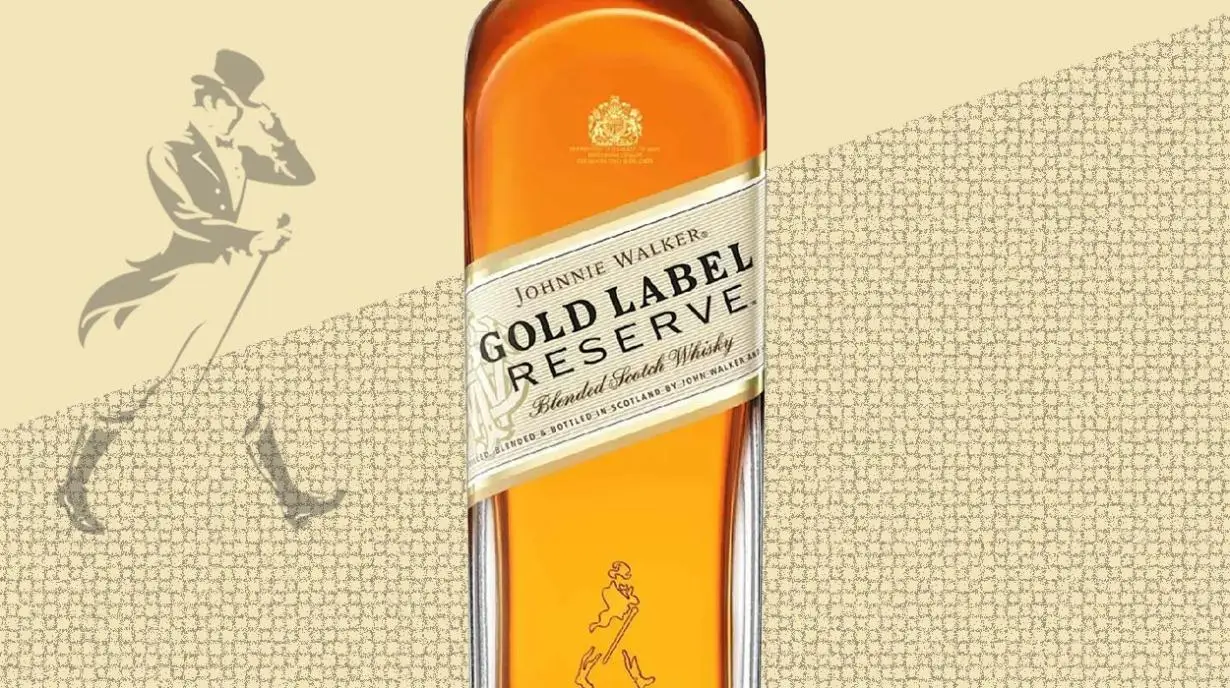
Johnnie Walker Gold Label Reserve often sits in a curious place on the whisky shelf. Priced at more than £50 in the UK and around $70 in the U.S., it looks and feels premium. The bottle shines with golden branding.
But the key question is whether the whisky inside lives up to the price, or if it is mainly a cheaper alternative to Blue Label.
A Short History of Johnnie Walker Gold Label
Gold Label was first released in 1995 as an 18-year-old Centenary Blend. It was built around malts such as Clynelish, Talisker, and Royal Lochnagar, and was praised for its smooth and honeyed character.
Quick whisky question
Single malt is everywhere, but what does it mean? We want to know what the word “single” means to you. Three quick questions, under a minute.
The presentation, though, left a lot to be desired according to whisky YouTuber and expert, Phil Dwyer: “It used to have an 18-year-old age statement and a gold-dipped bottle. It looked flash but cheapened the experience.”
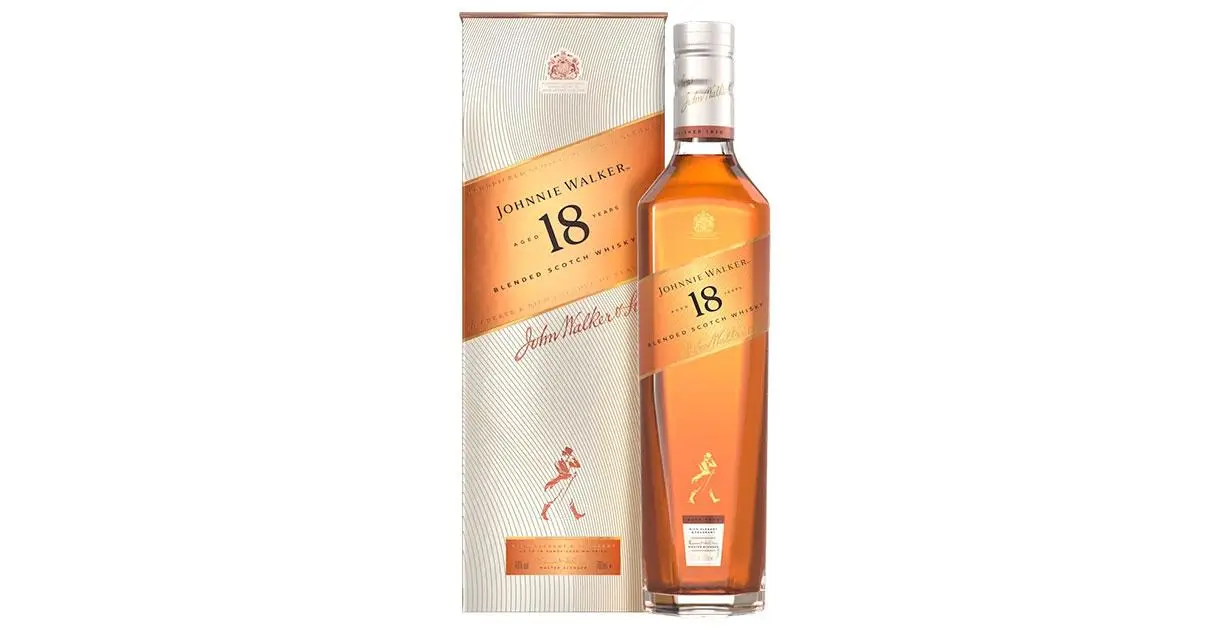
So, in 2012, Diageo retired the age-stated version and launched Gold Label Reserve, a no-age-statement blend with a more celebratory focus. The 18-year-old slot was taken over by Platinum, now Johnnie Walker 18.
What’s In The Bottle?
Gold Label Reserve is a blended scotch built around Clynelish, a Highland malt known for its waxy, honeyed style. Other malts like Cardhu, Blair Athol, and Caol Ila add sweetness, richness, and a touch of smoke, while grain whisky from Cameronbridge softens the edges. It is bottled at 40% ABV.
What Will Whisky Look Like in 2027? Voices from Whisky Live Paris
READ THE STORYThe flavor is smooth and sweet with notes of honey, vanilla, fruit, and caramel. A faint wisp of smoke appears on the finish, but approachability is the priority here.
Johnnie Walker Gold Label vs. Green Label
Johnnie Walker Green Label is a 15-year-old blended malt made only from single malts. It combines whiskies such as Talisker, Caol Ila, Cragganmore, and Linkwood, giving it more depth and smoke.
Both bottles are priced around £50 in the UK and $60 in the U.S. Many enthusiasts prefer Green for its stronger and more complex character.
Phil Dwyer put it plainly: “For £50, I’d still buy Green every time.” Green offers more complexity, while Gold is smoother, sweeter, and often chosen as a safe gift.”
Phil continues: “Gold Label is the one I forget exists. It’s not bad—but it just doesn’t grab me. It’s sweet, caramelly, very approachable… almost too safe. If you’ve tried Green Label, Gold can feel a bit bland.”
Johnnie Walker Gold Label vs. Blue Label
Blue Label is Johnnie Walker’s prestige blend. It uses older and rarer whiskies and sells for more than £130 in the UK or $150 in the U.S. Gold Label Reserve sits far below in price but aims for a similar smooth, honeyed style.
The difference is depth. Blue has layers of oak and richer malt, while Gold is lighter and more straightforward.
Phil Dwyer summed it up: “It feels like the whisky people buy when they want a taste of Blue without paying £150.”

Verdict: Substance or Faux Luxury?
Gold Label Reserve is a well-made blend built around quality malts, but it is also designed to be safe and easy. It works well as a gift or a celebratory bottle.
For flavor, though, it struggles to compete with Green Label at the same price. As Phil Dwyer noted: “If you get it in a gift box with glasses, it makes sense. But if you’re choosing a bottle for flavour, it’s hard to recommend over Green.”
Gold Label Reserve is enjoyable and stylish, but it leans heavily on image. It is perfect for gifting or as an approachable, crowd-pleasing celebratory dram. For whisky drinkers focused on flavor and value, Green Label is the better choice.
 Latest On The Whiskey Wash