


The U.S. spirits market is flourishing, with craft distillers springing up everywhere, but the road to consumers remains daunting. At the heart of the challenge is the three-tier distribution system. It was built for another era.
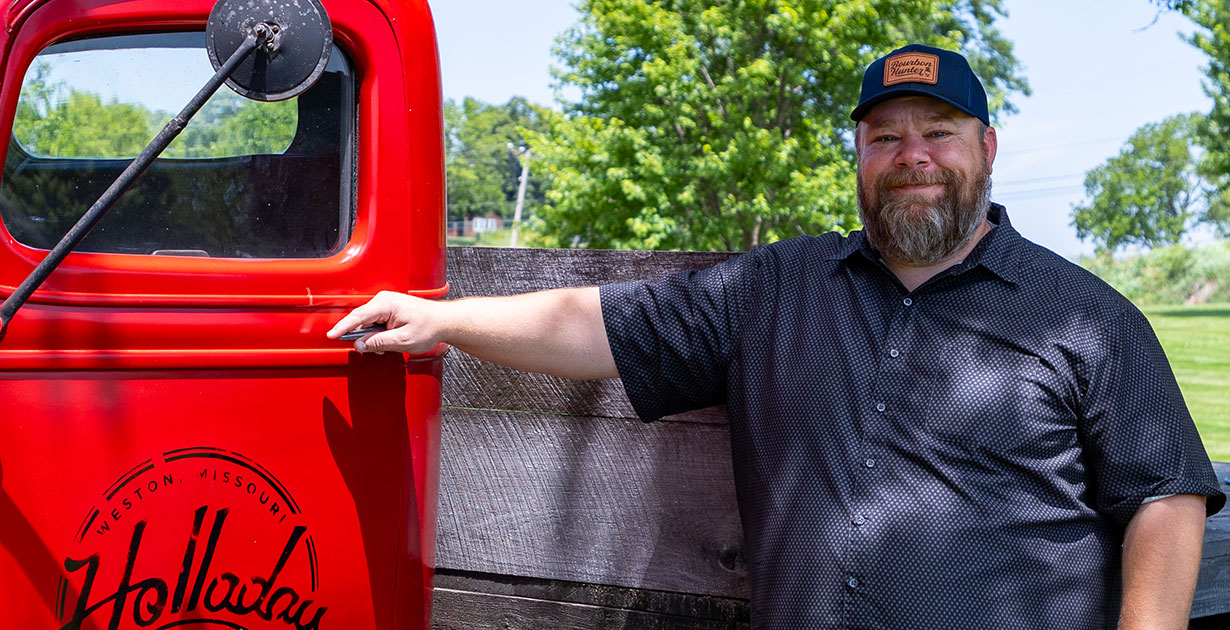
Meanwhile, channels such as Brewzle are stepping into the breach, amplifying the voices of smaller producers and shining a spotlight on hidden gems. As its founder TJ Gamble puts it: “The great thing about whiskey is it just kind of transcends socioeconomic backgrounds. And you can get together and talk about whiskey…” His words help lay the groundwork for how content platforms now play a vital role in the modern spirits landscape.
So, what is the three-tier system? How does it affect both producers and consumers? And what is Brewzle doing to change that?
What Will Whisky Look Like in 2027? Voices from Whisky Live Paris
READ THE STORYMark Littler sat down with Brewzle founder, TJ Gamble, to discuss the issues faced by the domestic American whiskey market, and how channels such as his seek to give a platform to lesser-known producers.
What the Three Tier System Is and Why It Exists
When Prohibition ended in 1933, the United States did not return to the alcohol market that existed before the ban. Lawmakers wanted to prevent the problems that had defined the old saloon era. Producers once owned retailers and pushed enormous volumes of alcohol through aggressive sales practices. This structure was known as a tied house system and it created what historic lawmakers saw as dangerous incentives to heavy drinking and widespread pressure on consumers.
To avoid repeating that history, states built a new model. The three-tier system separated every part of the alcohol supply chain into three legally distinct groups. Producers sit in the first tier. Distributors occupy the second tier. Retailers make up the third tier. A producer cannot sell directly to a retailer. A retailer cannot buy directly from a producer. Every bottle must pass through all three stages.
 Trending Content
States gained full control over how alcohol is regulated inside their borders. That created 50 separate markets instead of a single national one. Each state has its own rules for licensing, distribution, and sales. Some are open markets with private wholesalers. Others are control states that manage distribution or even retail operations themselves.
This structure was intended to stop monopolies, ensure tax collection, and give states oversight of alcohol access. It worked for a time. Today, the system still performs many of those functions, but it also creates barriers for anyone trying to build a new spirits brand.
Why Small Distillers Struggle in the System
For small distillers, the three-tier system creates obstacles at every step. The biggest challenge is access. A distillery cannot sell to a shop or bar unless a distributor agrees to carry its products. Without that partnership, the whiskey never reaches the shelf. Many distributors focus on high-volume brands because they are easier to move. That leaves small producers fighting for attention in portfolios dominated by national names.
TJ Gamble describes this clearly. He explains that “small distillers are at a significant disadvantage” because the system is “a gatekeeper” that makes it difficult to build any scale. Many founders know how to make whiskey but do not have experience in sales or marketing. They produce something interesting but cannot get it in front of customers.
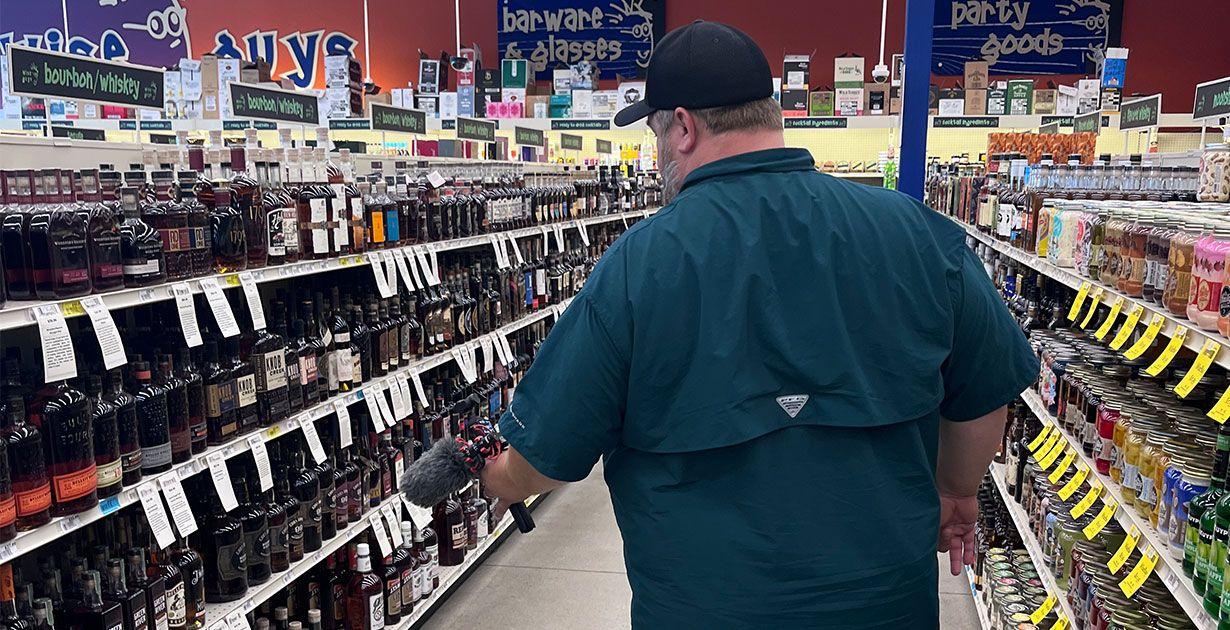
Shelf space creates another barrier. Gamble points out that when you walk into a store “almost all of that product is from the big producers” even if it looks like a diverse selection.
“The deck is stacked against [smaller producers] when fighting for shelf space because big brands produce at an economy of scale, allowing them to sell their whiskey at a price that small producers cannot compete with,” he explains.
As a result, small distillers often make great whiskey, but the system prevents many shoppers from ever discovering it.
How Consumers Lose Out
The impact of the three-tier system is not limited to producers. It shapes what consumers can find, what they pay, and how confident they feel when trying something new. The United States may be one country, but it functions like 50 separate alcohol markets. A craft whiskey that sells well in Colorado might never reach shelves in Georgia or Florida because the distillery has not secured distribution in those states. Availability becomes a matter of geography, not interest.
Prices rise, too. Every bottle passes through a distributor and a retailer, and each step adds its own margin. A small distiller cannot absorb those costs as easily as a major producer. That means many craft whiskeys sit at higher price points, even when the distiller earns only a small fraction of the final sale.
There is also a risk factor for shoppers. Gamble explains that many consumers have only a small amount of disposable income for whiskey. When they spend it on an unfamiliar craft bottle and “that bottle sucks” they feel the loss. For some drinkers, that experience stops them trying new brands altogether.
This creates a loop. Small distillers struggle for visibility. Consumers hesitate to take chances. The big producers stay dominant because they offer familiarity and scale.
How Brewzle Helps Close the Gap
Channels such as Brewzle play a practical role in breaking this cycle. They give small distillers a level of visibility that the system does not provide. Gamble and his team spend time seeking out bottles that rarely make it into national distribution. They travel, film releases, and show what the hunt for whiskey looks like in states with strict rules. As he explains, “we are located in Alabama, we have to hunt if we’re going to get bottles… most of the rare bottles are not getting sent to us. We have to go out, and we have to find those.”
This approach lowers the risk for the viewer. Brewzle can spend hundreds of dollars trying new whiskey so consumers do not have to gamble their own monthly budget. Gamble says that if he buys “$500 worth of whiskey, and it’s all bad, we try it.” His reviews give people confidence in smaller brands that do not have national marketing support.
Brewzle also helps build awareness for distillers who might otherwise stay local. Gamble talks about discovering “little regional brands… making great whiskey.” By featuring them on a channel with a large following, he expands their reach far beyond their home state. That attention matters. It can lead to stronger demand, which helps a distillery grow enough to attract a distributor and enter new markets.

In many ways, Brewzle follows the path that helped craft beer explode. Content and community create interest. Interest creates demand. Demand gives small producers a chance to survive in a system built for scale. As Gamble notes, without that discovery, “a lot of these brands are going to go out of business… if people don’t discover them.”
Brewzle shows how modern platforms can support diversity in American whiskey. They help consumers find bottles they would never otherwise see. They help small distillers build the recognition they need to compete. They stand in the gap left by a system that rewards size rather than creativity.
A Modern Solution to an Old System
The three-tier system was built for a different time. It still provides oversight, but it also limits growth for small distillers and restricts what consumers can access. Many craft whiskey makers produce impressive spirits, yet struggle to reach shelves or compete with national brands.
Brewzle helps shift that balance. The channel brings regional producers into the spotlight and reduces the risk for consumers who want to explore. Gamble shows how modern platforms can support a wider and more diverse whiskey market.
The system is unlikely to change soon, but visibility can. When creators highlight small distillers, they help connect whiskey to the people who want it. This connection keeps the category vibrant and gives emerging brands a real chance to grow.
To help support Brewzle in their mission, and discover some fantastic whiskey along the way, subscribe to the Brewzle YouTube channel.