



Dewar’s White Label has been on sale since 1899, and it remains one of the best-selling Scotch whiskies in America, a fixture on back bars from New York to Mumbai.
It is a blend rather than a single malt, built around the honeyed whisky of Aberfeldy distillery in the Scottish Highlands and priced as an everyday bottle.
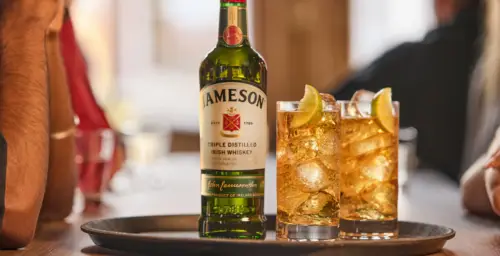
The company also claims to have given the world the Highball, and a tall glass of whisky and soda is still where White Label feels most at home, although it works neat and over ice too.
What Will Whisky Look Like in 2027? Voices from Whisky Live Paris
READ THE STORYWhat Is Dewar’s White Label?
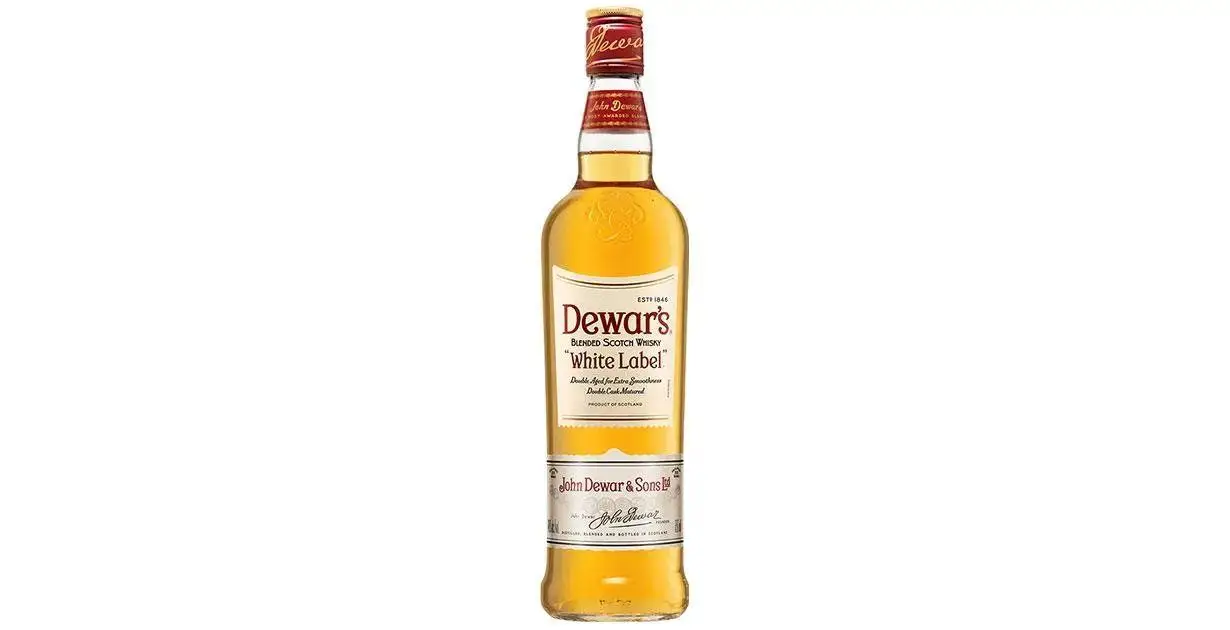
Dewar’s White Label is a blended Scotch whisky created in 1899 by A.J. Cameron, the company’s first master blender. Dewar’s says it combines up to 30 single malt and grain whiskies, with Aberfeldy, the distillery the Dewar brothers opened in 1898, at its heart.
Once blended, the whiskies go back into oak casks for a second spell of maturation, which the company calls double aging and credits for the smoothness the brand is known for.
In our tasting, the nose brings honey, heather, vanilla and citrus, while the palate is malty, with vanilla fudge, pear and a little spice. The finish is crisp, with a touch of oak and a faint wisp of smoke.
 Trending Content
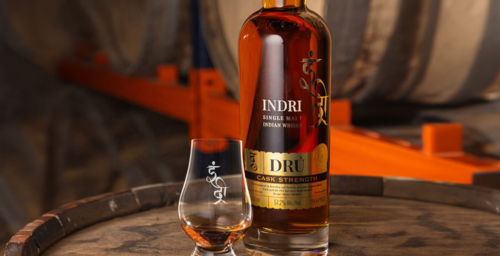
It is bottled at 40% ABV without an age statement and usually sells for $20 to $30 in the US. In India, a 750ml bottle costs roughly ₹1,450 to ₹2,400, depending on the state.
How Should You Drink Dewar’s White Label?
Stephanie Macleod, Dewar’s master blender since 2006, has said that whisky “wasn’t made to stand in ceremony” and was instead “made truly to be enjoyed; to give comfort and warmth.” That suits White Label, an everyday whisky that has never asked to be treated as anything grander.
Drinking it neat is still the best way to learn the house style, even if you plan to mix it later. It is light rather than layered, with honey arriving first, then citrus and a soft vanilla sweetness.
A few drops of room-temperature water loosen the aroma and bring the pear and vanilla further forward, which helps if the alcohol feels sharp on the first sip.
A single large cube of ice cools the whisky without drowning it too quickly, pushing the citrus and grain forward as the honey quietens. A light blend thins out fast, though, so this is a drink to finish rather than nurse.
The Dewar’s White Label Highball

Dewar’s traces the Highball to Tommy Dewar, the founder’s younger son, who led the firm’s push overseas.
According to the company, he ordered a “ball,” then common slang for a measure of whisky, on a visit to New York in the early 1890s, and asked for it to be served tall with ice and soda after his companion complained about the “beastly small glasses.”
Dewar’s says it trademarked the name “High Ball” in 1902, although others have claimed the drink too, among them the New York bartender Patrick Gavin Duffy, who said he brought the Highball to America in 1895.
Whoever poured the first one, the serve changed how Scotch was drunk. Gareth Howells, a national whisky ambassador for John Dewar & Sons, has said the Highball “took whisky out of the dark.”
To make one, pack a tall glass to the brim with ice, since a full glass melts more slowly than a few loose cubes, and pour in 50ml (1.7oz) of White Label.
Top it with 120ml (4oz) of chilled soda from a freshly opened bottle, pouring gently down the side of the glass, then stir once and finish with a twist of lemon peel.
Best Mixers and Cocktails for Dewar’s White Label
White Label mixes easily because its flavors are gentle enough to sit alongside other ingredients without disappearing.
Ginger ale is the natural next step after soda, and Dewar’s own recipe calls for 60ml (2oz) of White Label and 120ml (4oz) of ginger ale over ice, finished with a wedge of lemon or lime.
Cloudy apple juice picks up the pear and apple notes in the blend, while a lighter tonic brings a bitter edge that balances the honey. Plenty of people drink White Label with cola, and it mixes well enough, but the sweetness covers most of what the whisky has to offer.
For a proper cocktail, the Penicillin is a good fit, since the bartender Sam Ross created it at Milk & Honey in New York in 2005 using blended Scotch.
Shake 60ml (2oz) of White Label with 22ml (0.75oz) each of fresh lemon juice and honey-ginger syrup, strain it over a large cube, and float a little peated Islay malt on top.
How to Drink Dewar’s White Label in Hot Weather
Neat whisky makes most sense in a cold climate, and in real heat the alcohol can smell hot and spirity long before the flavor comes through.
Greg Benson, a mixologist who has worked as Dewar’s brand ambassador in India, told The New Indian Express that Scots mostly take their whisky neat, whereas Indian drinkers add ice, water or soda, largely because of the heat and humidity.
In the heat, make the Highball a little longer, with around 150ml (5oz) of well-chilled soda to 50ml (1.7oz) of whisky.
Fill the glass right to the top with ice and keep the bottle out of the sun, and the drink will stay cold and lively to the last mouthful.
What to Eat With Dewar’s White Label
Benson also noted that Indian drinkers like snacks or even full meals with their whisky, while Scots tend to drink theirs on its own, and White Label is well matched to that habit.
A Highball alongside chakna, the bar snacks of masala peanuts, pakoras and spiced cashews, works because the soda cuts through the salt and oil.
With creamy dishes such as butter chicken or paneer makhani, the whisky’s fruit and honey offset the richness of the sauce. Earthier vegetarian dishes like dal makhani or aloo gobi pair well with its lighter, floral side, which complements cumin and turmeric.
Macleod herself has enjoyed a Highball with curry, and said that “the ginger matched quite well with the dish and the highball was a refreshing complement.” For dessert, gulab jamun is a natural partner, as the whisky’s vanilla and honey echo the syrup and cardamom.
In the US, a Highball with fried chicken or a burger does much the same job, keeping the palate fresh between mouthfuls.
Final Thoughts
White Label has never been the bottle people keep for a celebration, and it is at its best on warm afternoons, at barbecues and parties, and on ordinary weeknights after work.
By the time A.J. Cameron blended it in 1899, Tommy Dewar had already spent two years traveling the world for the firm, returning with agents in 26 countries and an office in New York, the city where the company says the Highball began.