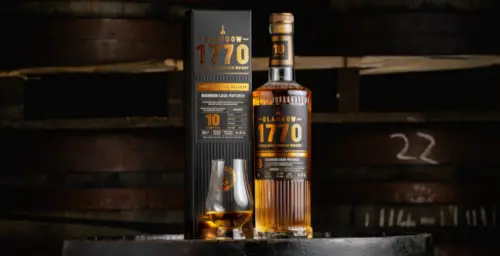






Age statements are making a comeback in Scotch whisky, but I am not convinced that a bigger number always means a more mature-tasting dram. Glasgow Distillery’s limited-edition peated 10-year-old makes a useful test case.
It is the oldest whisky in the distillery’s current lineup, yet its appeal has less to do with the decade on the label than with the lively, smoky character inside the bottle.
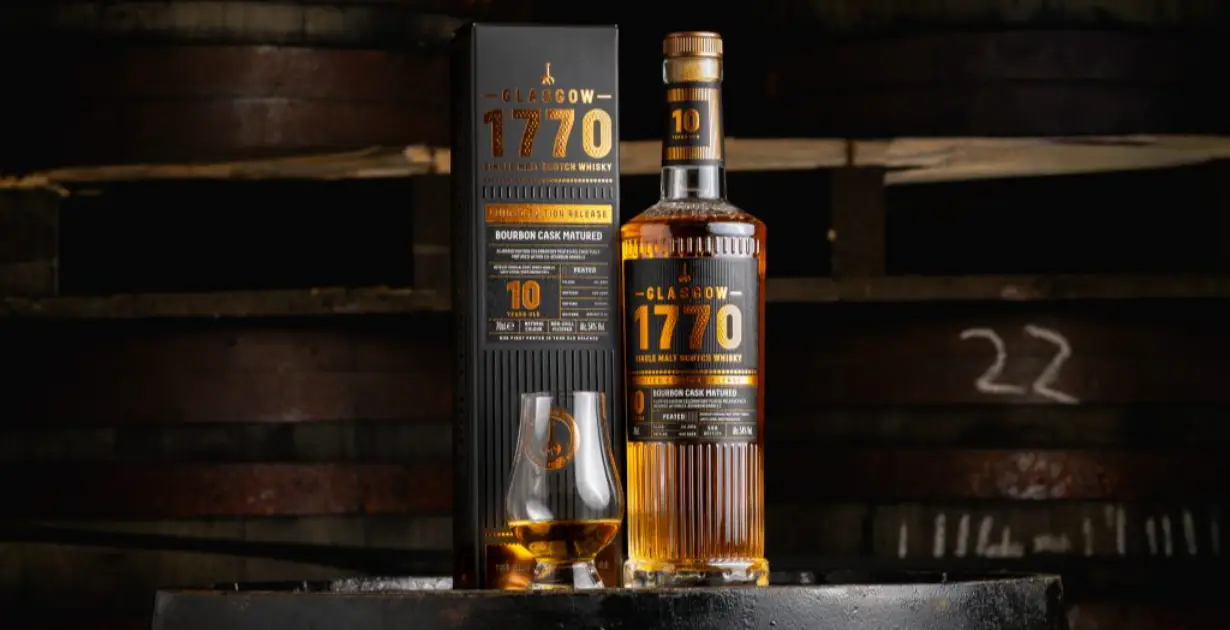
On paper, this release gives whisky enthusiasts plenty to get excited about. It is a fully natural single malt bottled at 54% ABV, drawn from two refill ex-bourbon casks and one first-fill ex-bourbon cask. Glasgow also shares unusually detailed production information, including its 50 ppm peating level and minimum 72-hour fermentation.
Quick whisky question
Single malt is everywhere, but what does it mean? We want to know what the word “single” means to you. Three quick questions, under a minute.
At £69 in the UK, it is not cheap, but the price feels fair for a 550-bottle release with those specifications. Of course, none of that matters if the whisky does not deliver in the glass.
Thankfully, it does. The nose opens with rich, mossy campfire smoke, followed by green apple, citrus, peaches and a sweet hint of fudge. It is sharp, spirited and engaging rather than soft or settled.
On the palate, the texture is almost chewy. Waxy lemon and lime meet creamy vanilla, cereal sweetness and a savoury edge, while the smoke steps back from its starring role on the nose. A few drops of water soften the sharper edges and bring out more fruit, waxiness and char. It is a whisky that keeps changing with each visit.
What Will Whisky Look Like in 2027? Voices from Whisky Live Paris
READ THE STORYThat restless character is why I would struggle to guess its age blind. Glasgow’s lightly peated eight-year-old tastes rounder and, to me, almost older. This 10-year-old is smokier, brighter and more feral.
Some drinkers will love that intensity; others may find it a bit pokey. If your preference runs to gentle, dusty, well-rounded drams, the eight-year-old may be the better choice.
For me, this is a buy. I gave it an 8.1 overall, but the score matters less than the context: the age statement tells me how long it matured, not how it ought to taste.
This bottle proves that ten years can still produce a whisky with plenty of youthful energy, and I really dig it. Do you look for maturity in the number on the label, or in what you find in the glass?
For a closer look at the bottle and a quick comparison to an earlier release, check out my YouTube video.
 Latest On The Whiskey Wash