





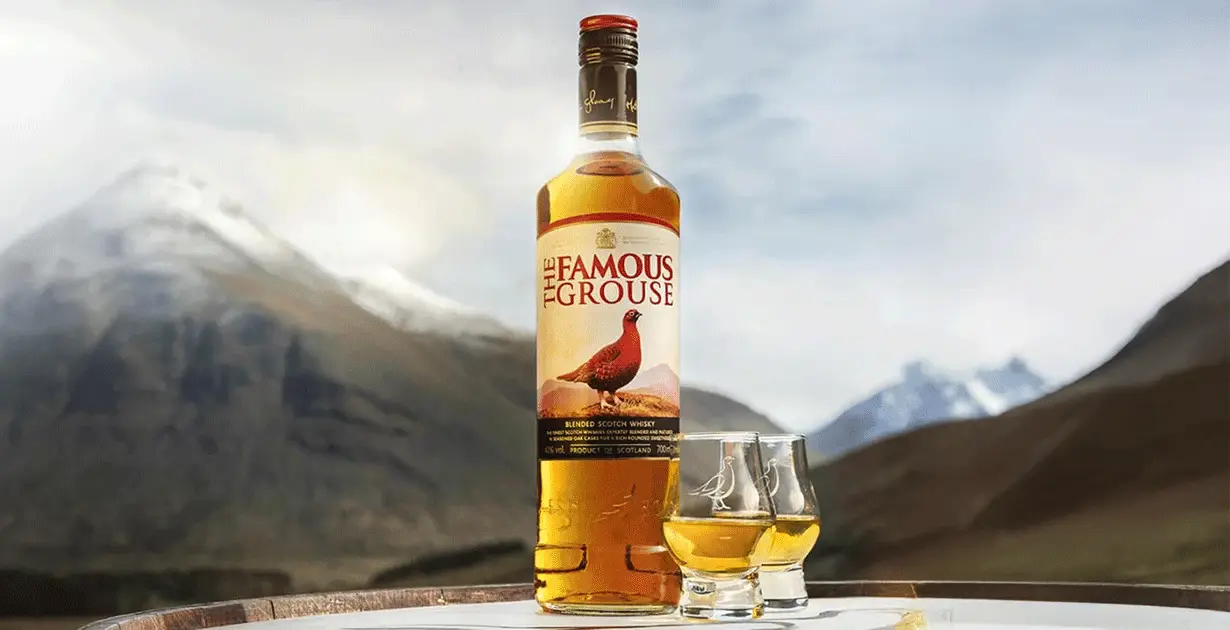
The bestselling Scotch whisky in Scotland recently changed hands. The Famous Grouse, that humble little bird perched in almost every drinks cabinet north of Hadrian’s Wall, has been bought by William Grant & Sons.
When a brand this iconic gets a new owner, I think it is worth putting the pheasant in the firing line, breaking down the blend, and asking what this shake-up really means for the whisky world.
Let us be clear about the scale of this. The Famous Grouse is not just a Scotch, it is the Scotch. For decades it has outsold every other whisky in the country. We enthusiasts might spend our days talking about Springbank, Ardnamurchan, and Thompson Bros, but your evening-sipping great aunt or your granddad drowning his dram in ginger will grab a Grouse over a Glencadam any day of the week. That kind of loyalty is rare, and it is exactly why this acquisition matters.
What Will Whisky Look Like in 2027? Voices from Whisky Live Paris
READ THE STORYWilliam Grant & Sons, the umbrella behind Glenfiddich, Balvenie, and Monkey Shoulder, is a fifth-generation family-owned company that actually seems to care about whisky, or at least markets it that way convincingly. Monkey Shoulder has become a global cocktail monster, Balvenie remains solid if a touch pricey, and Glenfiddich is the gateway dram for many. Buying Grouse fits neatly into the entry-level Scotch starter pack they are building.
Meanwhile, the seller Edrington appears to be swanning off toward its luxury lines, Macallan, the upmarket rebrand of Highland Park, and the pricey Glenturret, the sort of whiskies that require a second mortgage and arrive in boxes fancier than your house.
As for the liquid itself, I gave the Famous Grouse a solo run.
 Trending Content



On the nose, it is surprisingly sweet, all malt, vanilla, and freshly made cupcakes with a caramelly, chocolatey edge.
On the palate, it turns toffee and malty, with raisins, a jammy note, and even a whisper of smoke, presumably from the Highland Park in the blend. It is silky, easy, and pleasant without being boring.
Honestly, it is the whisky equivalent of a baggy comfy jumper with a few stains on it. I would score it a fair 5 out of 10, average in the best possible way.
So does this deal matter? I think it does. William Grant now holds one of the most trusted names in Scotch, complete with serious distribution and modern marketing flair. In a world where Compass Box and Woven are showing how brilliant blends can be, Grouse could become far more than a safe bottom-shelf choice.
Do you think Grouse will earn a place on your shelf in a few years?
For a more detailed breakdown and to see my full tasting, check out my YouTube video.