


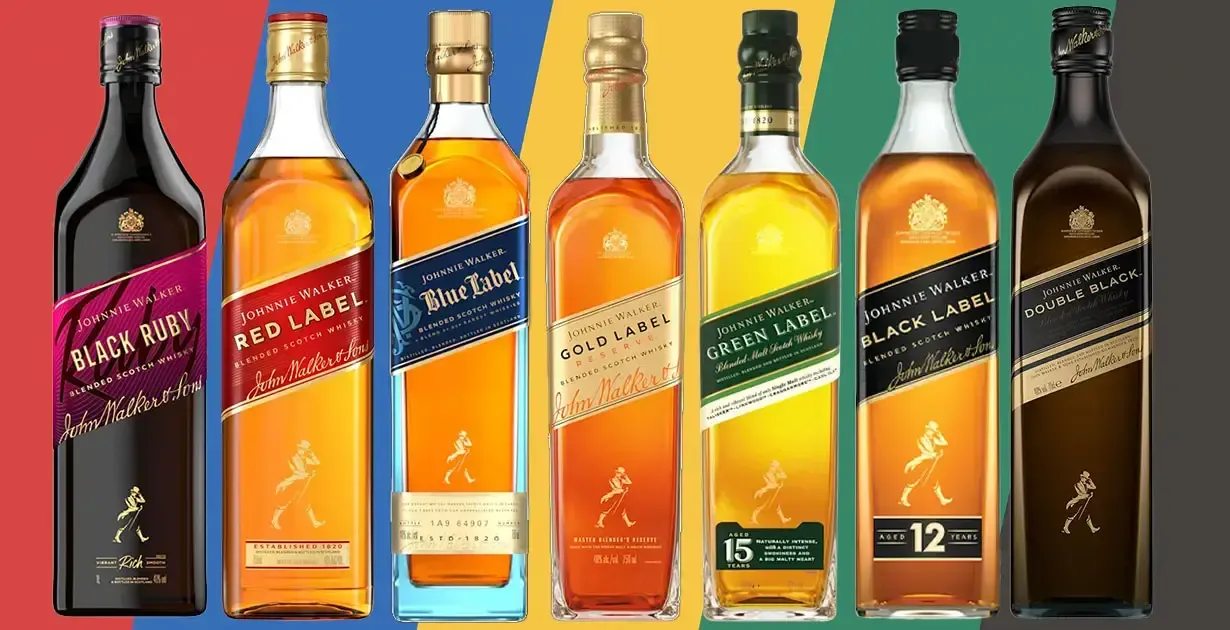
The spirits aisle can freeze even a confident shopper, and few displays cause more hesitation than the row of Johnnie Walker labels marching from Red to Blue in ascending price and mystery. Here is the reassuring news, which is that there is no wrong door to walk through. Johnnie Walker is the world’s best-selling Scotch, it is remarkably consistent from bottle to bottle, it is widely awarded, and it spans every budget, so nobody has to overspend to find their footing.
This Johnnie Walker beginner’s guide sorts the range by what you actually want rather than walking you through it bottle by bottle. Whether you are buying your first pour, hunting for something sweeter, choosing a gift, or just want a bottle for highballs, there is a section here for you. We fold in a quick, plain-English guide to reading the label along the way, because it is the question new buyers ask us most often.
What the Age on the Label Actually Means
Start with the number, because it trips up almost everyone who buys a bottle. When a bottle says “12 Years Old,” the age reflects the youngest whisky inside it, so nothing in that blend has spent less than twelve years in oak. There may be older whisky in the mix, but the age statement guarantees the floor and not the ceiling.
What Will Whisky Look Like in 2027? Voices from Whisky Live Paris
READ THE STORYThen there are bottles with no number at all, known as No Age Statement, or NAS. This does not mean the whisky is young or cheap. By law, all Scotch must be matured in oak for a minimum of three years, so even a NAS bottle clears that bar. Dropping the number frees the blending team to choose casks on flavor rather than on hitting a stated age, which is why some of the most expensive bottles in the range, Blue Label among them, carry no age at all. If you want the deeper version, we cover it in our age statement guide.
Best for Your Very First Whisky: Johnnie Walker Black Label
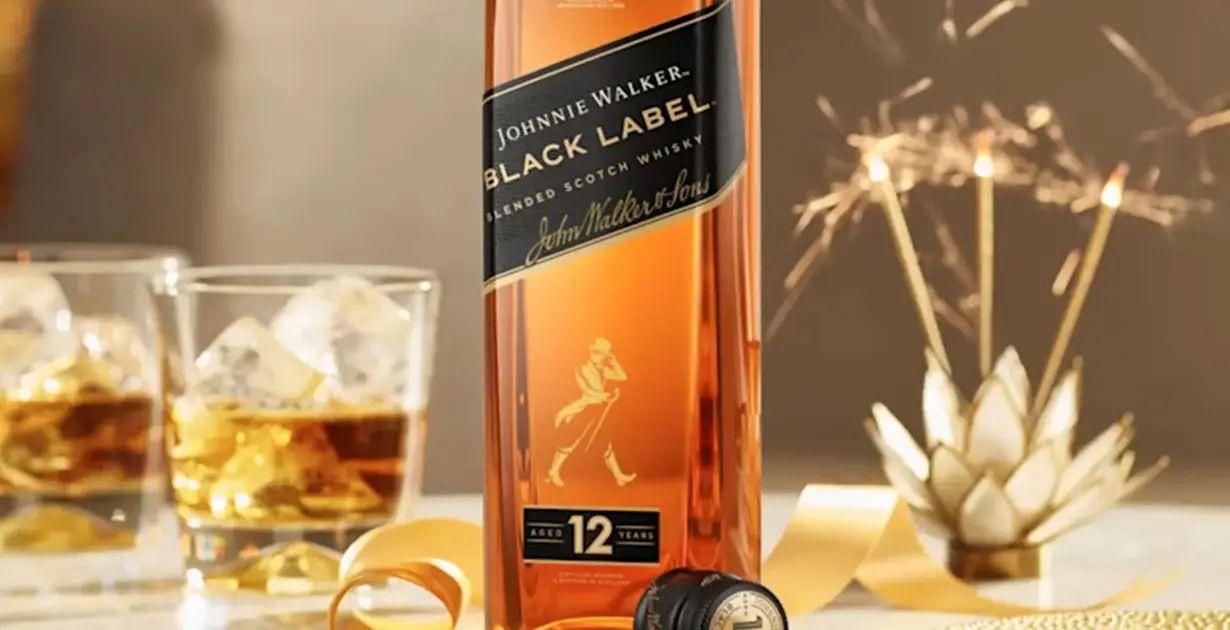
For most beginners, this is the one to buy without hesitation. Black Label 12 is the benchmark of the whole house style and the smartest first purchase in the lineup. It is built from around 40 different malt and grain whiskies, each aged at least 12 years, and it delivers toasted toffee, sweet vanilla, rich raisins, and orchard fruit with only a gentle, warming whisper of smoke. There is no high-proof heat and no heavy medicinal peat, the two things that most often scare newcomers off.
A blend is a genuinely smart first bottle because it is engineered for balance and consistency across every purchase. Master blenders spend their careers coaxing harmony out of dozens of separate components, and Black Label is the clearest demonstration of that skill. It is also inexpensive for the quality on offer, at $22.99 (£26.45), and it has collected gold medals across the major competitions.
 Trending Content
You do not have to take our word for it. Charles MacLean, the Scotch author behind 17 books, said that if he could pick only one whisky for a desert island it would be a Johnnie Walker blend, and specifically Black Label. He admires Blue Label too, but as he put it, “the Black Label has more bite to it.” For a first bottle, that bite is a feature and not a flaw.
Best for a Sweeter Palate: Johnnie Walker Black Ruby
If you think you don’t like whisky, or you have arrived here from wine or rum, or the word “peat” makes you nervous, Black Ruby is your entry point. This is a fruit-led reimagining of the Black Label DNA, and it tastes like it, with raspberry jam, blackberry pie, maraschino cherries, and sweet honey on the palate, strawberry and raspberry chocolate on the nose, and only the faintest wisp of smoke at the finish.
That richness comes from the wood the whisky sits in. The whiskies are matured in a combination of ex-red wine casks, Oloroso and Pedro Ximénez sherry, and ex-bourbon barrels, which trades the bitter edges of grain and heavy smoke for berry fruit, cocoa, and warm baking spice. It launched in 2025 under Master Blender Dr. Emma Walker, and it works neat, over ice, or as the base for a home cocktail.
Here is an honest steer for anyone weighing it up. In our review, Phil Dwyer didn’t think it beats regular Black Label, but he saw the appeal, writing that it would “totally intrigue whisky drinkers who are looking for additional sweetness” along with some welcome complexity. One buying note for US readers is that it started in travel retail and is still rolling out more widely, so you may find it more easily in duty-free. Expect around $45.00 (£34.95).
Best for Gifting: Blue Label and the Premium End
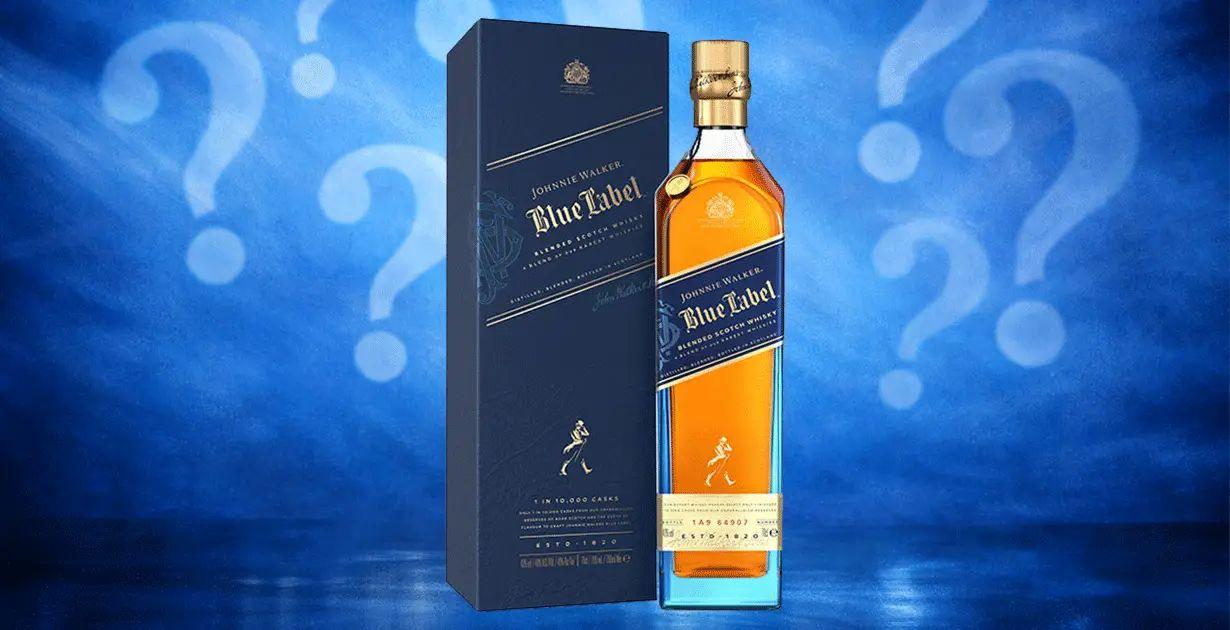
When a bottle needs to feel like an occasion, and it often does in the India, UK, and US gift markets, Blue Label is the name that lands. It is the prestige NAS blend of the range, built from rare old casks with the blending team selecting only one in every ten thousand to make the cut. The result is famously smooth, rolling through hazelnut, dark chocolate, sweet honey, and dried plums to a lingering finish of aromatic sandalwood smoke.
Be clear-eyed about the price, though, at $159.99 (£146.00). Set against Black Label at a fraction of the cost, you are paying for rarity, presentation, and flawless consistency as much as for raw flavor, and that is a fair trade for a gift meant to impress rather than an everyday pour. It is worth keeping some perspective on the numbers. Dave Broom, author of The World Atlas of Whisky, notes that premiumisation once simply meant trading up from Johnnie Walker Red to Black, and that the industry has since become “starry-eyed” about £3,000 bottles. A gift does not need to break the bank to mean something to the person who opens it.
If Blue Label is out of range, two mid-tier options carry real gift weight. The Aged 18 Years is smooth and silky with stewed orchard fruit and elegant Highland smoke at $91.99 (£93.95), and the creamy, honeyed Gold Label Reserve comes in at $65.99 (£51.75).
Best for Everyday and Mixing: Red Label
Red Label is the value workhorse of the range and the best-selling Scotch in the world. It is bold, spicy, and a touch youthful, with notes of black pepper, cinnamon, and fresh apple over a sharp, smoky finish. It is built for mixing rather than neat sipping, so reach for it when you want a highball or a cocktail. The classic serve is a Johnnie and Ginger, which means you pour it over ice, top it with ginger ale, and add a wedge of lime. At $17.99 (£21.99), it earns its place on the shelf.
A Craft-Curious Step Up: Green Label

Here is a myth worth busting for anyone ready to explore further, which is that “blend” does not mean lesser. Green Label is a blended malt, which means it contains zero grain whisky and only single malts aged at least 15 years, built around Talisker, Linkwood, Cragganmore, and Caol Ila and bottled at a slightly elevated 43% ABV. Dr. Emma Walker herself pushes back on the idea that grain whisky is filler, noting that distilleries like Girvan, Cameronbridge, and North British each carry their own distinct character, but Green Label sidesteps the question entirely by leaving grain out.
The payoff in the glass is crisp green apple, fresh pear, sandalwood, and maritime sea-salt smoke, an expressive and earthy look at Scotland’s regions in a malt-only format. At $49.99 (£45.00), it punches above its price and makes a logical next bottle once you have enjoyed Black.
Which Johnnie Walker Should You Try First?
If you are new to whisky and want one safe bet, choose Black Label, because it is the benchmark, it is affordable, and it will not overwhelm you.
If you think you don’t like whisky, or you love sweeter drinks, reach for Black Ruby, for the berry fruit and cocoa and the barely-there smoke.
If you are buying a gift that needs to impress, go for Blue Label, or step down to the 18 Year Old to spend less while still feeling special.
If you just want something for highballs and cocktails, pour Red Label long over ice and let it do its job.
There is no wrong first bottle in this lineup. The whole point is finding the pour you genuinely enjoy, and every one of these gives you an honest way in. Tell us in the comments which Johnnie Walker you started with, and how it went.