







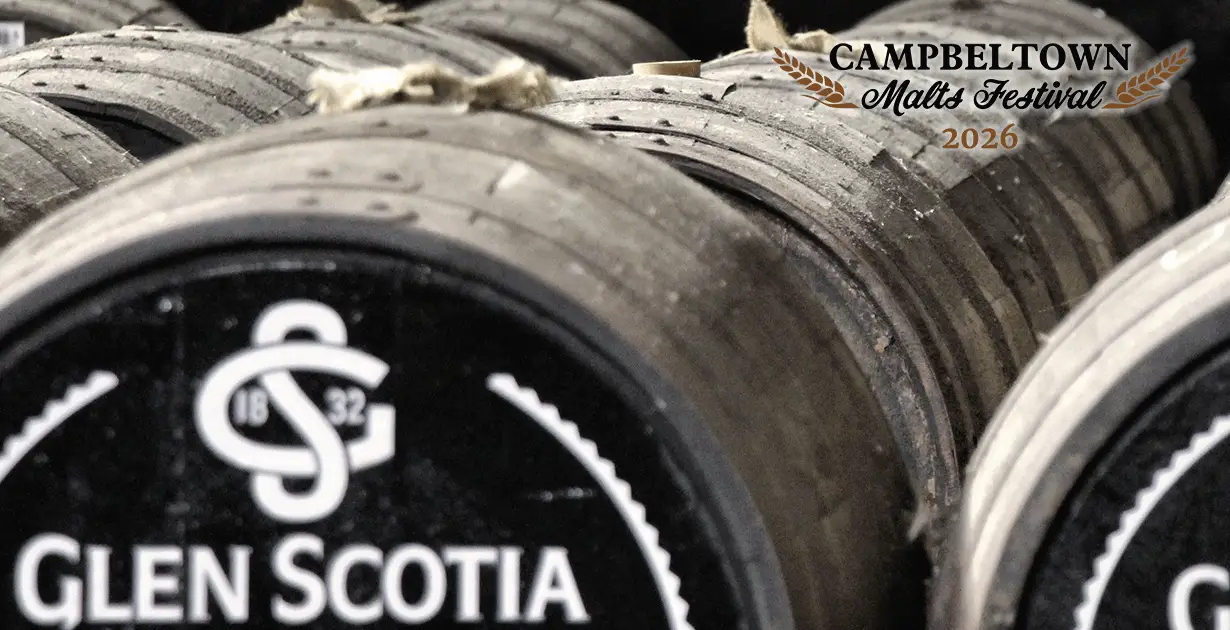
There are whisky festivals that feel polished and predictable. The Campbeltown Malts Festival 2026 is not one of them.
Set on the remote Kintyre peninsula, this is a week that feels closer to a gathering than an event. Three working distilleries sit within walking distance. Conversations happen in warehouses, bars, and queues. You are never far from the source of the whisky itself, and have ample time to celebrate the legacy of the Victorian Whisky Capital of the World.
Running from 18 to 23 May 2026, the festival has grown from a single open day into a full week of tastings and experiences, while still keeping its local character intact.
What Will Whisky Look Like in 2027? Voices from Whisky Live Paris
READ THE STORYSo, if you’re heading to Campbeltown this May, or thinking about making the journey in the future, here is everything you need to know about the Campbeltown Malts Festival 2026.
How the Week Works
The Campbeltown Malts Festival 2026 does not run like a typical festival. There is no central ticket, no single venue, and no fixed structure that ties everything together.
Instead, each distillery runs its own programme across the week. That means you build your own schedule from a mix of tastings, tours, and open days.
 Trending Content



If you want a clearer starting point, Glen Scotia’s structured programme is a good place to begin.
Glen Scotia’s Campbeltown Malts Festival Programme
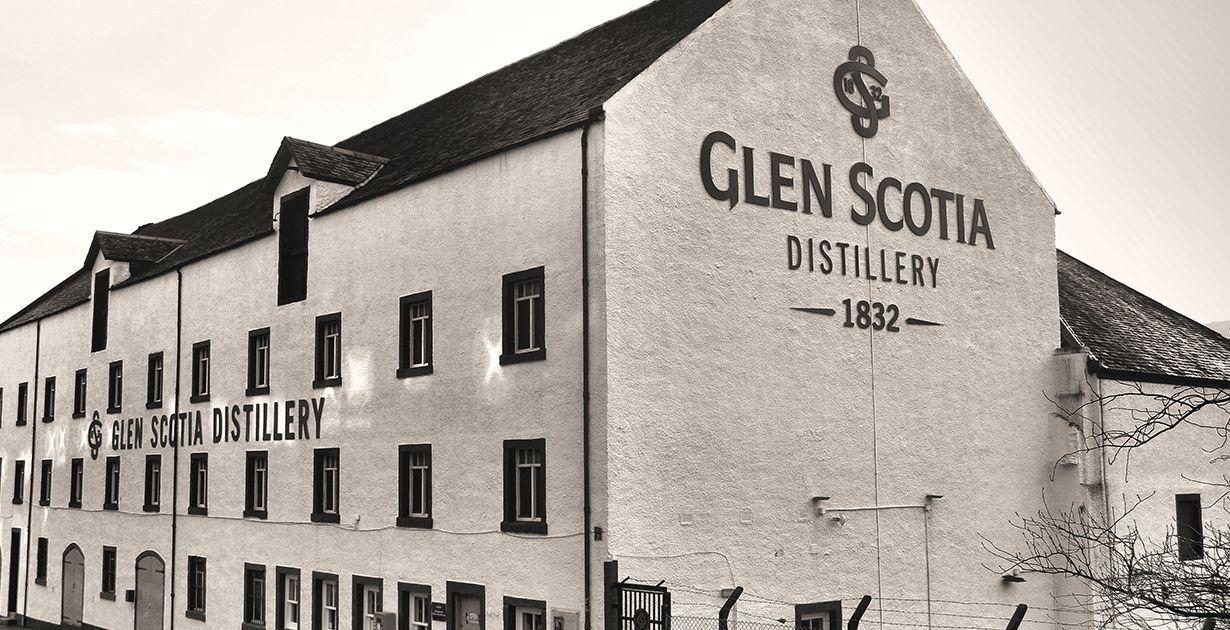
If it is your first time at the Campbeltown Malts Festival 2026, starting with Glen Scotia makes the week easier to navigate.
Their open days fall on May 19th and 20th.
At the top of the week sits the Festival Dinner, held at Campbeltown Town Hall. Priced at £149, it has already sold out for 2026, but it is worth noting for future planning. Each guest receives a bottle drawn from a single cask, which is only available to attendees.
The core tastings are more moderately priced. The Dunnage Warehouse tasting, at £50, offers a rare chance to explore casks in situ with Master Blender Ashley Smith. The “Big Campbeltown Character” tasting sits around £38, while the “Deconstructed Festival Tasting” is closer to £28, making it one of the more accessible sessions during the week.
There is also a strong sense of place running through the programme. The “Port to Port” tasting, also around £38, connects Campbeltown’s maritime history with the casks still used today.
Glen Scotia’s busiest day falls midweek, when tours, tastings, and walking experiences run throughout the day. It acts as a more structured counterpart to the open days later in the week, and for many visitors it provides a natural starting point before the pace and crowds increase.
The Other Side of the Festival: Springbank, Kilkerran & Cadenhead’s
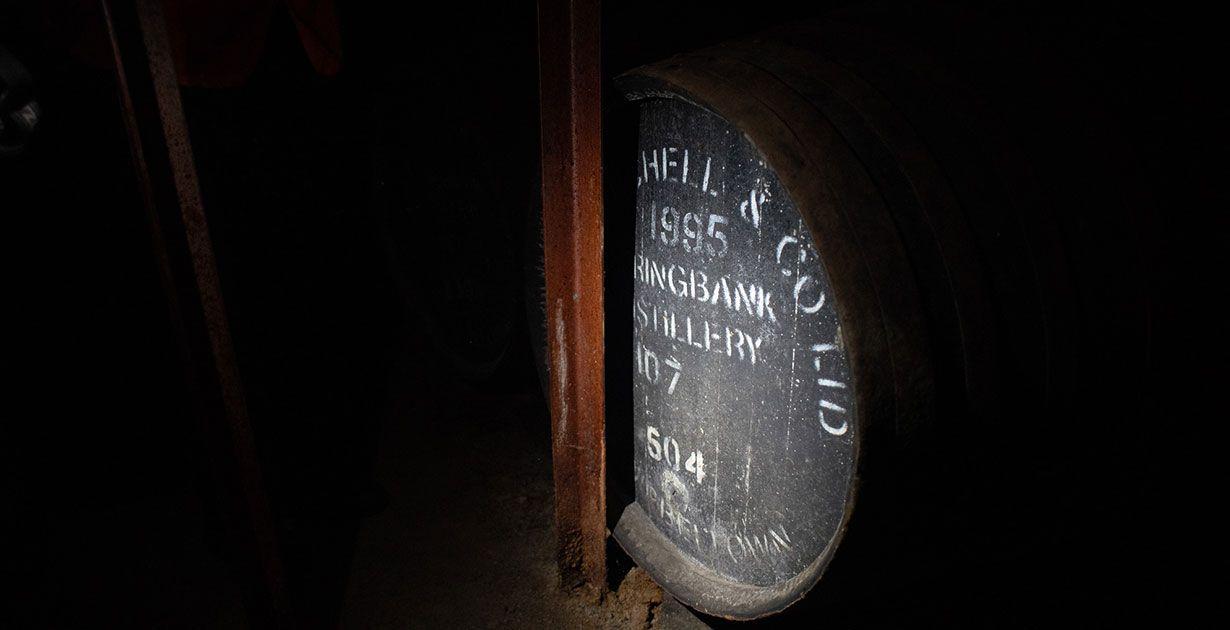
Alongside Glen Scotia, the festival is shaped by a second, more intense ecosystem built around Springbank Distillery, Glengyle Distillery, and Cadenhead’s.
This is where things feel closer to the raw edges of Campbeltown whisky. Many of the standout experiences take place in warehouses rather than formal tasting rooms. Cadenhead’s warehouse tastings, which run throughout the week, are typically priced at around £50 and include six cask samples, with the option to buy selected bottles at the end.
Springbank’s programme adds depth with Local Barley farm tours at around £40 and more premium tastings such as the Archive Tasting, which reaches £200. Kilkerran’s blending sessions, priced at about £80, offer a more hands-on experience, with a small bottle to take away.
The week builds towards three key open days across the distilleries. Glen Scotia sets the tone midweek with a full day of tours and tastings. Springbank Open Day follows on Thursday, with Kilkerran Open Day on Friday. These later days are busier, louder, and more free-flowing, with entry typically free and drams or tastings paid for on the day.
There is also a growing independent scene. Watt Whisky runs tastings from around £20 to £40, offering a more informal and discussion-led counterpoint to the distilleries.
Tickets: What You Need to Know
Each distillery manages its own events. Springbank Distillery, Glengyle Distillery, and Cadenhead’s release tickets via Eventbrite, while Glen Scotia handles bookings through its website.
Tickets are typically released earlier in the year and many of the most sought-after events sell out quickly. By late spring, it is common to find only limited availability or waiting lists.
It is still worth checking regularly. Some additional tickets appear closer to the festival, and open day tastings are often available on the day.
Plan ahead, but stay flexible.
Festival Bottles and Special Releases

Festival releases are part of the draw, but they are best seen as a bonus rather than the main objective.
For 2026, Glen Scotia has released a 7-year-old peated single malt, matured in first-fill bourbon casks and finished in ruby port casks. Bottled at 53.9% ABV, it brings together coastal character, soft smoke, and a layer of red fruit sweetness.
There are also more exclusive bottlings tied to specific events. Glen Scotia’s Festival Dinner includes a single cask bottle only available to attendees. At Springbank Distillery and Glengyle Distillery, open days typically feature exclusive Campbeltown Malts Festival bottlings that are only sold on site.
Cadenhead’s adds another layer, with warehouse tastings offering access to bottles that can only be purchased by those in the room.
Where to Stay
Accommodation is one of the biggest practical challenges during the Campbeltown Malts Festival 2026.
Campbeltown is small, and demand far exceeds supply during festival week. Prices reflect that. It is not unusual to see rates of £1,000 or more for the week, which works out at roughly £150 per night. For the convenience of being able to walk everywhere, many visitors still see this as good value.
If you can find somewhere in Campbeltown itself, it simplifies everything. No taxis, no driving, and easy access between distilleries.
If not, there are alternatives. Airbnb cottages around the Kintyre peninsula offer more space and flexibility. Some visitors also base themselves on the Isle of Arran, though this adds travel time.
Wherever you stay, booking early is essential.
If you can book early, The Royal Hotel Campbeltown, located on the harbour, or the Grammar Lodge Guest House are great options.
If you don’t mind leaving behind the luxurious, Campbeltown Backpackers is a conveniently located hostel with beds from £32 per night.
How to Get There

Getting to Campbeltown is part of the experience. It is remote, and there is no single straightforward route.
Driving is often the simplest option if you want flexibility. From London, expect around 10 hours. From Manchester, closer to 6.5 hours. From Edinburgh, about 3.5 hours. The final stretch down the Kintyre peninsula is slow but scenic.
Public transport is possible, but it takes planning. Train and bus combinations from Glasgow typically take around four hours. You can check routes and times via .
Flying is the fastest option. Loganair operates regular flights from Glasgow Airport to Campbeltown Airport.
Some visitors choose to stay in Glasgow and travel in on the train for key days. It is a longer journey, but it does remove the need to drive after tastings, which is worth considering given Scotland’s strict drink-driving laws.
Final Thoughts: Is It Worth It?
The Campbeltown Malts Festival 2026 is not the easiest whisky event to attend. It takes time to reach, accommodation can be tight, and the schedule is not always straightforward.
That is also why it stands out.
Everything happens close to the source. You are tasting whisky where it is made, often with the people who made it. There is very little separation between the visitor and the distillery.
If you approach it with a plan and a bit of flexibility, it is one of the most rewarding weeks in the whisky calendar.