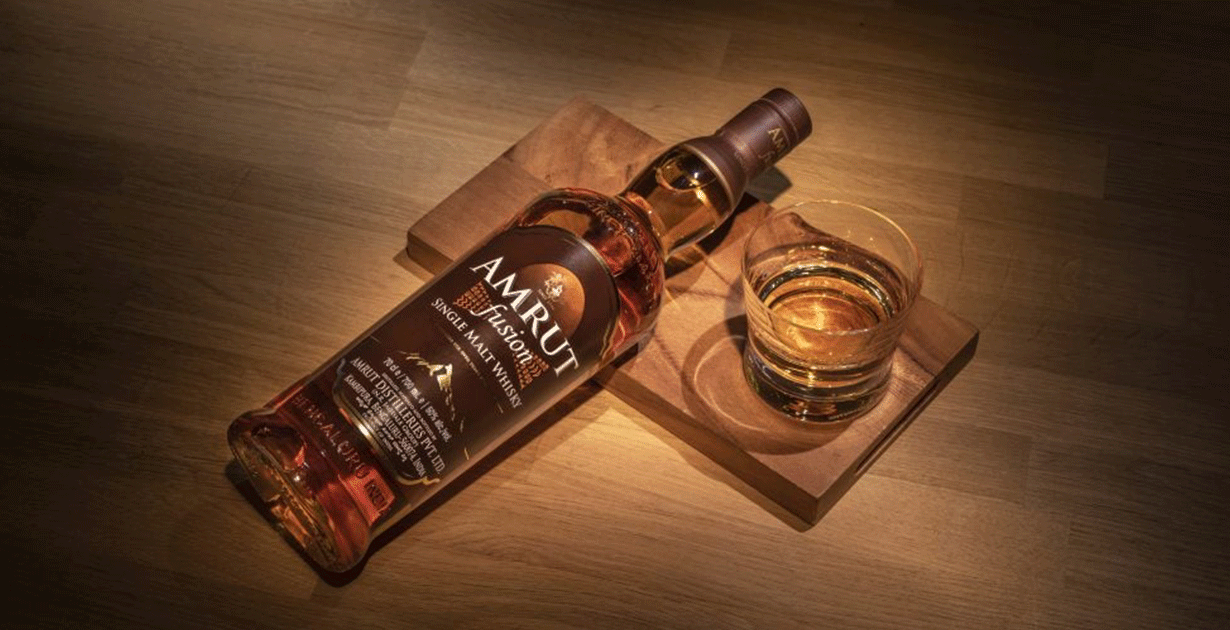
Ask a whisky drinker to name an Indian single malt, and there’s a good chance Amrut will be the first one they mention. The Bangalore company released India’s first single malt bottling in 2004, and it now exports to 45 countries, including the US and UK.
I recently read Sriram Devatha’s Amrut: The Great Churn, a 2024 history of the company. It follows the Jagdale family from a small pharmaceutical business in the late 1930s to the launch of Amrut Fusion and the experimental releases that came after it.
Here are five things you might not know about Amrut, from its early days supplying alcohol for cough syrups to a whisky that was bottled by hand on a small island in the North Sea.
1. Amrut Began by Supplying Alcohol for Medicinal Syrups
Long before it made whisky, the Jagdale family was in the pharmaceutical business. Founder J.N. Radhakrishna Jagdale (known as JNR) started the Associated Drug Company in 1938. Jagdale had a bachelor’s degree in chemistry and found a way to extract organic caffeine from tea waste, which pharmaceutical companies then used in painkillers.
He later set up Amrut Laboratories in Bangalore to supply high-grade alcohol to his pharmaceutical company, which, as Devatha puts it, “manufactured various neon-coloured syrups.”
In 1948, JNR got a distillery license, and Silver Cup Brandy became Amrut’s first brand. Devatha writes that brandy was “supposedly” considered a cold remedy for children at the time, which gave it a bigger market. Amrut later added rum and was a regular supplier to the Indian Army’s Canteen Stores Department from 1963 to 1995.
2. Amrut Nearly Pulled Out of the UK in 2006
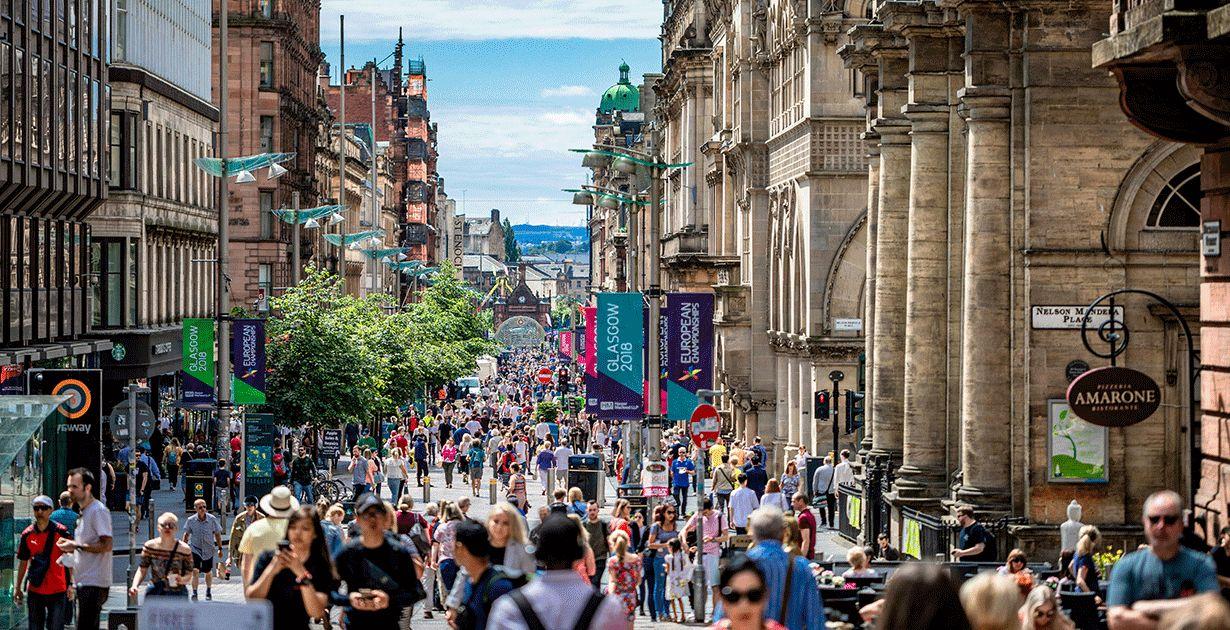
Amrut launched its single malt at Café India in Glasgow on August 24, 2004, and the plan was to sell it through the roughly 5,000 Indian restaurants in the UK. Devatha writes that the strategy was modeled on Kingfisher and Cobra, two beers that already sold well in those restaurants. It also built on the research Rakshit Jagdale had carried out in Indian restaurants for his MBA thesis at Newcastle University.
Drinkers had responded well to Amrut in Rakshit’s blind tastings, but restaurant owners were harder to win over, even when they liked the whisky. The job of selling to them fell to Ashok Chokalingam, who had been Rakshit’s classmate at business school in Newcastle and left an IT job in India to become Amrut’s salesman in the UK. He later became the company’s master distiller.
Ashok spent his days driving between customers, and most of them turned him down within a few minutes. One restaurant owner reportedly told him, “The drink itself is good. But Amrut is not known. Also, whisky doesn’t pair well with spicy Indian food,” according to Devatha.
When asked about sales, Rakshit told his father the company had sold “508 cases in 2004–05, then 719 and last year 741.”

In July 2006, Amrut’s chairman, Neelakanta Rao Jagdale (NRJ), sat with Rakshit on a bench in London’s Tavistock Square and said, “Let’s shut down.” After looking at the square’s statue of Mahatma Gandhi, he changed his mind, resolving to get it one last try.
Amrut then shifted its focus from restaurants to retailers and bars, made blind tastings a central part of how it sold the whisky, and opened an office in Newcastle. Devatha writes that sales had risen fivefold by the end of 2008–09.
3. Amrut Fusion Started as an Experiment at NRJ’s Cottage in Ooty
Amrut Fusion, the brand’s best-known whisky, came out of a stock problem. Devatha writes that one morning in 2009, Amrut’s chairman, Neelakanta Rao Jagdale, was at his summer house in Ooty, a hill station in southern India. He was worried that Amrut’s peated whisky was running out much faster than its unpeated single malt. After his son-in-law Thrivikram brought coffee for him and Ashok, NRJ stood up and said, “Let’s go to the bar.”
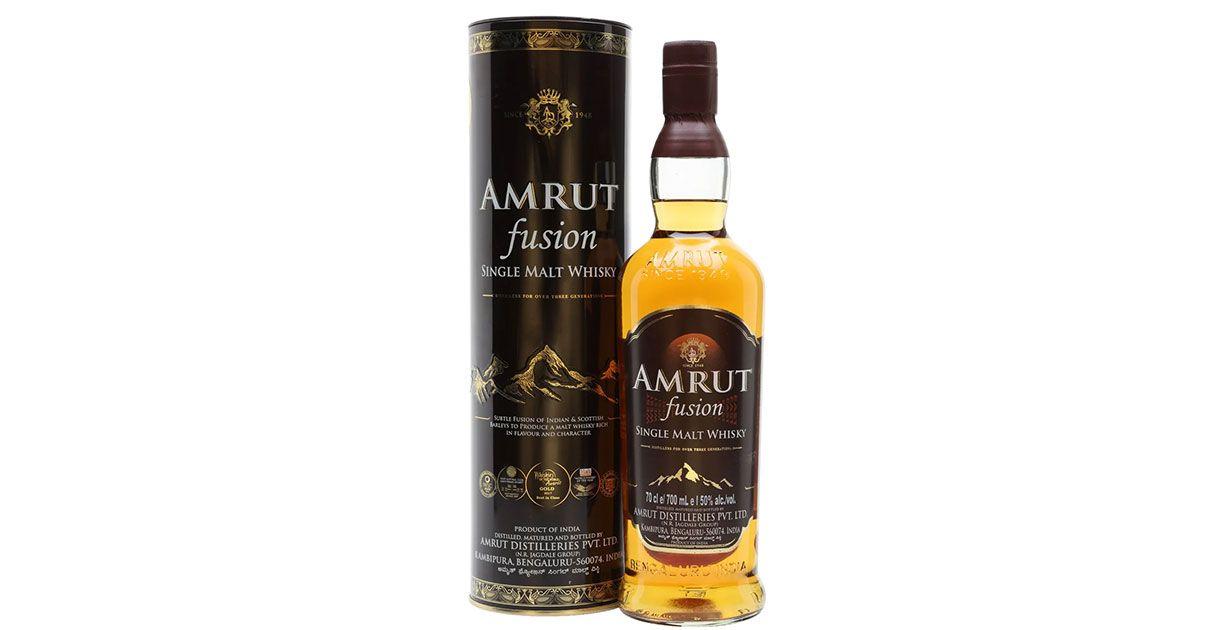
He poured himself some Amrut Peated, added Amrut Single Malt to it, and kept adjusting the mix from there. Peated whisky made up about 10% of his first attempt and 15% of his second, and he eventually settled on nearly 25%.
In Devatha’s words, “Far from an admixture, it was alchemy!” NRJ then sent samples to the distillery in Bangalore, where master distiller Surrinder Kumar refined the blend.
Jim Murray’s Whisky Bible 2010 gave Fusion 97 points and named it the third-best whisky in the world. Murray is, no doubt, a controversial figure in the industry; however, the 2010 ranking certainly got many drinkers outside India paying closer attention to Indian single malt.
4. Amrut Sent Its Whisky to Spain to Keep Sulfur Out of Its Sherry Casks
Amrut’s first limited edition, Intermediate Sherry, launched in 2010 and spent part of its maturation in casks that had previously held sherry. Getting those casks from southern Spain to Bangalore came with a problem, Devatha explains.
Bacteria can grow inside empty casks during the long, hot voyage, and the usual way to prevent this is to burn a sulfur stick inside them. That treatment can leave sulfur notes in any whisky aged in the casks later.
According to the book, Ashok’s solution was to ship Amrut whisky to Spain and fill it into the sherry casks there, so the casks traveled back to India full rather than empty.
The whisky had already been aged in bourbon casks before the trip, and after its time in sherry casks, it went back into bourbon casks to finish, which is where the name comes from.
5. Amrut Herald Was Hand-Bottled on a Car-Free North Sea Island
For Amrut Herald, four ex-bourbon casks of whisky that had been maturing in Bangalore, about 3,000 feet above sea level, were shipped to Germany. From the port of Cuxhaven, they went by boat to Helgoland, a small sandstone island in the North Sea that apparently has no cars on it. The casks spent a further period maturing there at sea level.
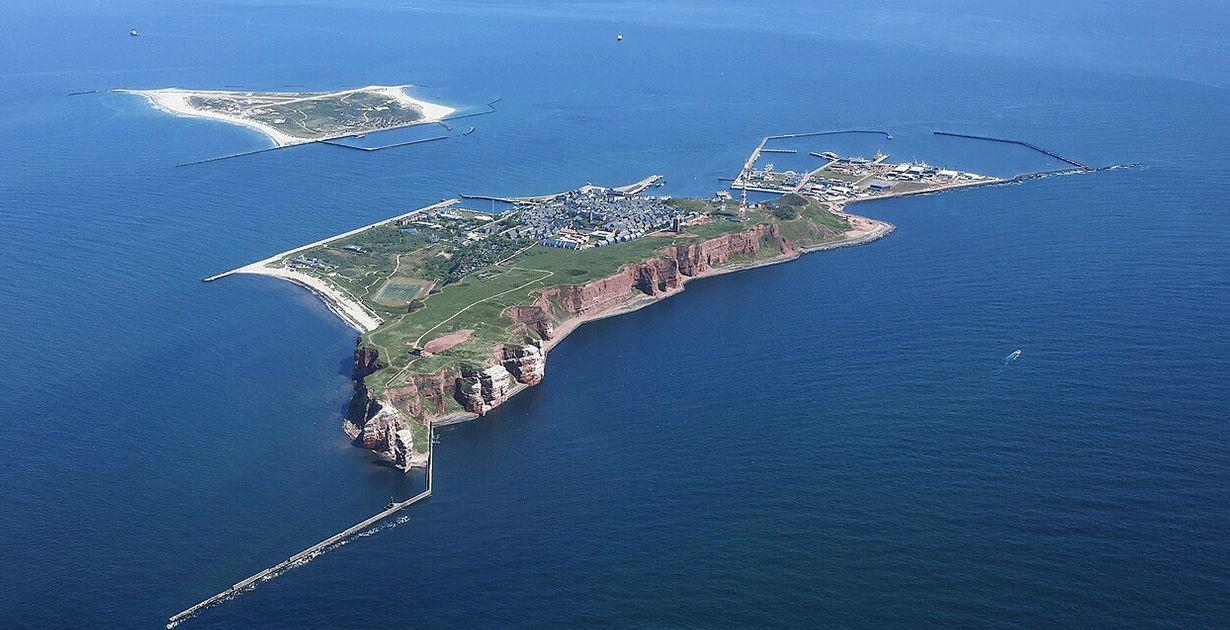
Helgoland has no bottling line, so when the whisky was ready, Ashok traveled to the island and bottled it by hand. He drew the whisky out of each cask through a pipe, and with his German importer and a group of friends, he filled, labeled, and sealed the bottles himself.
Three casks were bottled for the rest of the world and one for a duty-free shop on Lung Wai, the island’s main shopping street. Amrut says Herald was the first whisky ever matured on Helgoland, and the release notes add that it was also the first bottled there.
Still Churning
The book’s title refers to the Samudra Manthan, a story from Hindu mythology in which gods and demons churn an ocean of milk to bring up a life-giving nectar. Amrut’s name is the Sanskrit word for that nectar.
The company has come a long way from supplying alcohol to a pharmaceutical business in 1940s Bangalore, and there’s a lot more in Devatha’s book than I could fit here, so it’s worth picking up if you want the full story.
Which Amrut have you tried, and what did you think of it?