

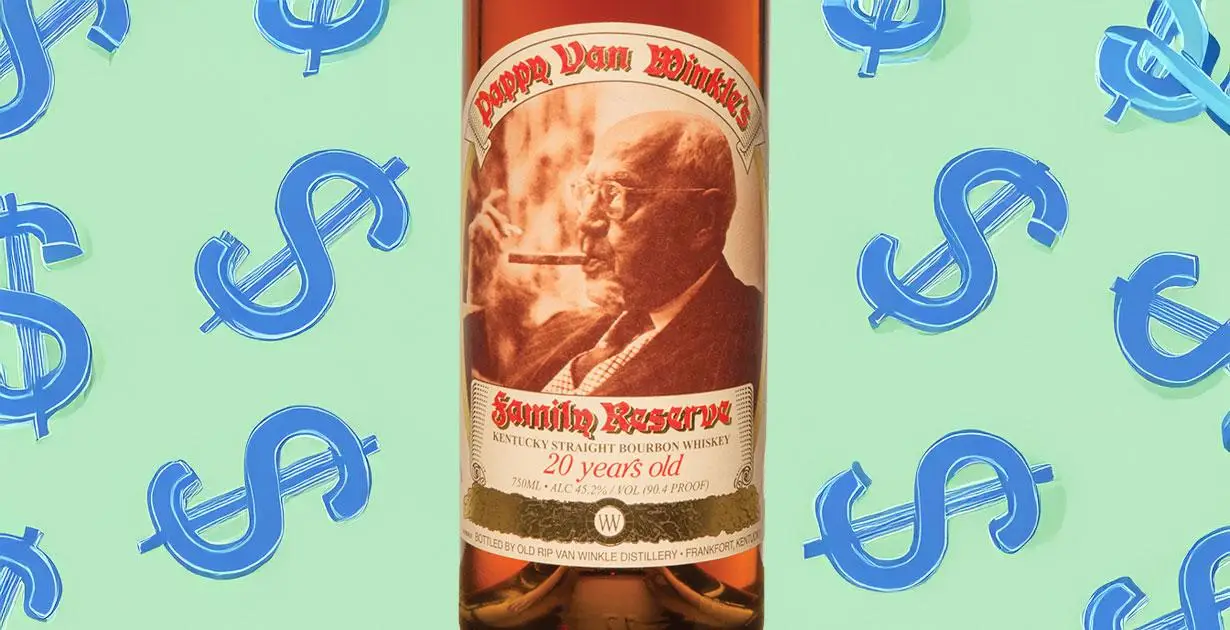
As well as being, by many accounts, one of the best bourbons in the world, Pappy Van Winkle is a status symbol. It is also a collector’s item, and for many, the holy grail of American whiskey.
Bottles regularly sell for thousands of dollars. Yet each year, thousands more bourbon fans go home empty-handed. It is hard to find, harder to buy, and almost impossible to get at retail price.
So what makes Pappy Van Winkle so expensive? Below, we break down five of the reasons behind the price tag, and why this Kentucky bourbon has earned its legendary status.
What Will Whisky Look Like in 2027? Voices from Whisky Live Paris
READ THE STORY1. The Problem of Demand vs. Supply
Pappy Van Winkle is produced in very limited numbers. Each year, only 7,000 to 8,000 cases are released across all age statements. That’s a fraction of what major bourbon brands produce.
In most states, bottles never make it to store shelves. Instead, they’re offered through lotteries or given to top-spending customers. Some states receive fewer than 100 bottles total.
Bars compete fiercely for allocations. Even high-end venues may only get one bottle per year.
 Trending Content
This level of scarcity drives intense demand. Everyone wants Pappy, but almost no one can get it. That mismatch is the first reason the price climbs so high and stays there.
2. Pappy Is Aged for a Very Long Time
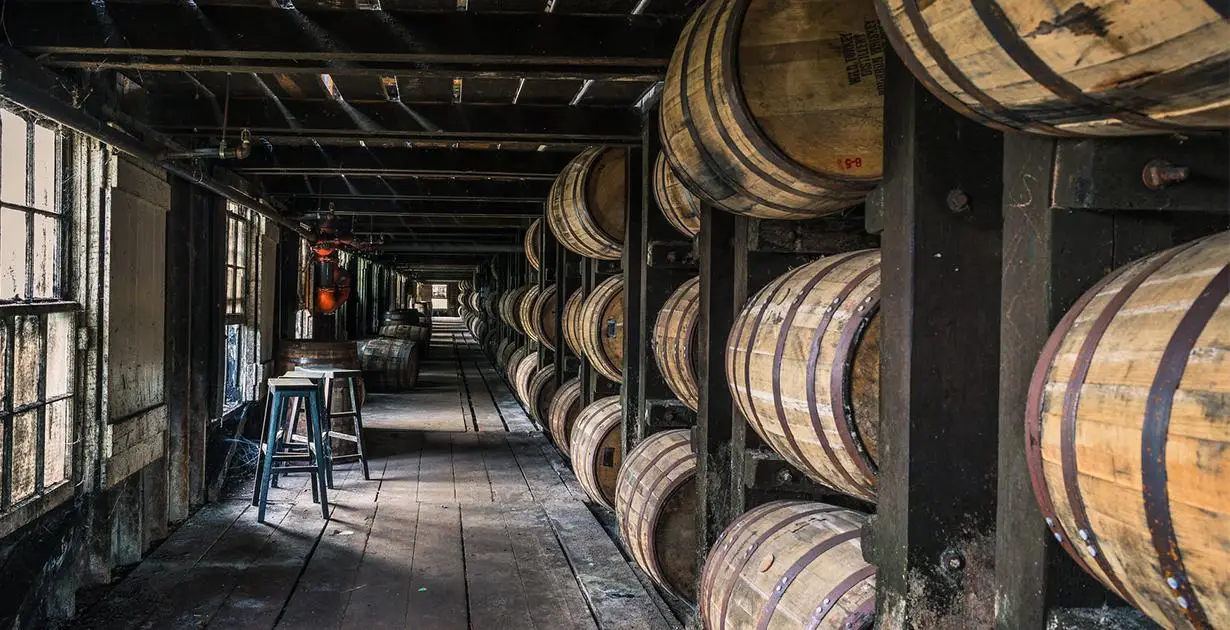
Pappy Van Winkle starts where most bourbons stop. The lineup includes 15, 20, and 23-year-old expressions. Some bottles have spent over two decades aging in oak.
That kind of aging is expensive. Over time, bourbon evaporates. Aging in the fluctuating temperatures of Bourbon country means that Pappy, along with other whiskeys aged in such climates, loses a lot more volume than whisky that is aged in Scotland, for example. As such, a barrel that holds 200 bottles when filled might yield just 30 after 23 years. The rest is lost to the “angel’s share.”
There’s also the cost of storage, insurance, and tied-up stock. Long aging means fewer bottles and higher production costs.
However, the long aging of Pappy also adds flavor. Extra years in oak give Pappy its depth, richness, and smooth character. Where many bourbons might risk becoming over-oaked after such a long maturation period, Pappy is considered to be deeply complex and layered. The price reflects not just time lost, but quality gained.
3. It Is Considered One of The Best Bourbons In The World
Pappy Van Winkle isn’t just rare. It’s also delicious, by many accounts. Experts consistently rank it among the best bourbons in the world.
It uses a wheated mash bill, replacing rye with wheat. That gives it a softer, richer profile. Common tasting notes include vanilla, dried fruit, caramel, oak, and a touch of smoke.
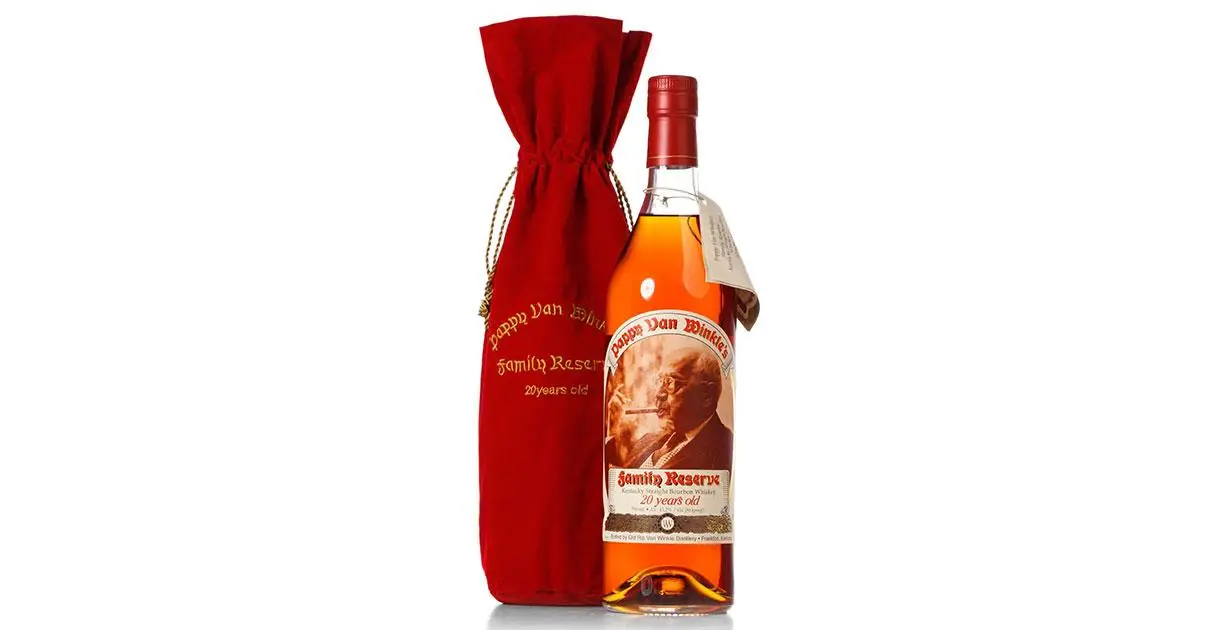
The 20 Year expression famously scored 99 points from the Beverage Testing Institute in 2008.
Top bartenders and spirits writers praise its balance and complexity. Even critics who question the hype admit: the whiskey inside the bottle is outstanding.
Margarett Waterbury, writing for The Whiskey Wash in May 2016, reviewed the Pappy Van Winkle 15, 20, and 23-year-old expressions, awarding them 9, 10, and 9 points respectively (out of 10, of course). Of the 20-year-old, she said, “I can’t think of anything else to say about this release except that it’s about as close to perfect as anything ever gets.”
4. The Hype Is Real
Pappy Van Winkle has become a pop culture icon. It has been praised by chefs like Anthony Bourdain, who once said, “If God made bourbon, this is what he’d make.”
It has been featured on TV, written about in major publications, and even linked to a famous heist known as “Pappygate.”
This kind of attention creates buzz. People want it not just for the taste, but for the story. Owning a bottle is a status symbol.
The hype drives demand even higher, and with so few bottles out there, the price follows.
5. Pappy Has Become A Collector’s Item
Pappy Van Winkle has increasingly become an investment, rather than just a whiskey.
On the secondary market, prices soar. A 23-year-old Pappy often sells for $3,000 or more. Rare vintages can reach five figures.
Collectors buy Pappy to flip, display, or save in order to sell at a later date. Many bottles are never opened, meaning that even more stock is pulled out of circulation.
As demand keeps growing and bottles disappear into private collections, prices continue to climb. Pappy has become more than bourbon. It’s a commodity now. These whiskeys truly changed the landscape of bourbon collecting.
For bourbon drinkers who seek to sample this “unicorn bourbon,” however, this status and demand puts Pappy firmly out of reach. It is an aspirational product for both types of consumers in the whiskey industry. Unfortunately, though, the investors usually win out.
Conclusion
Pappy Van Winkle is aged longer, made in smaller quantities, and (by some accounts) tastes better than most bourbons on the market. Add in global demand, media buzz, and a thriving collector scene, and the price tag starts to make sense, whether you believe it is justified or not.
Whether you see it as a whiskey, a trophy, or an investment, one thing is clear: Pappy’s value isn’t just in the bottle. It’s in the story, the scarcity, and the name.
If you are looking for some affordable alternatives to Pappy Van Winkle, check out Phil Dwyer’s article for some high-quality bourbons without the astronomical price tag.