


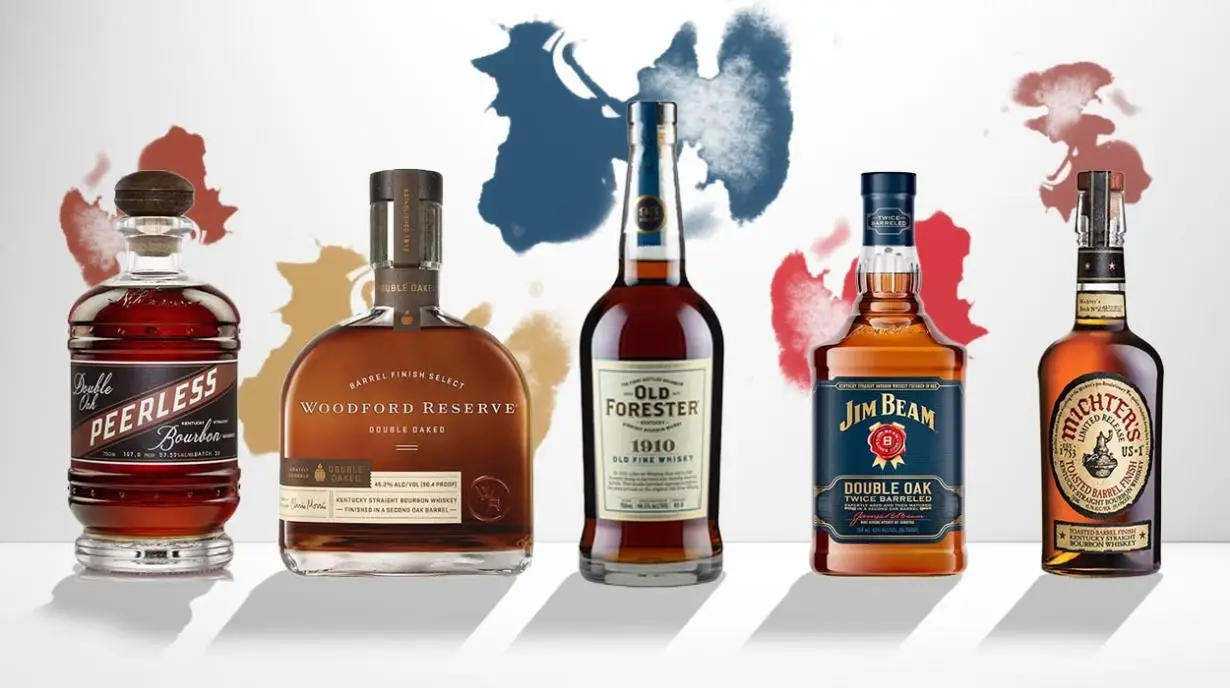
Double oak bourbon has gone from niche experiment to essential style in American whiskey. These bourbons spend time in two brand new oak barrels. The second barrel is toasted, charred, or both. This is different from finishing bourbon in barrels that once held sherry, port, or wine. Instead, the focus here is on how new oak alone can transform flavor.
The second barrel draws out extra layers of vanilla, caramel, and spice while softening the finish. The result is a bourbon that tastes richer and sweeter with a deep oak influence. Here are five bottles worth trying in 2025.
Woodford Reserve Double Oaked
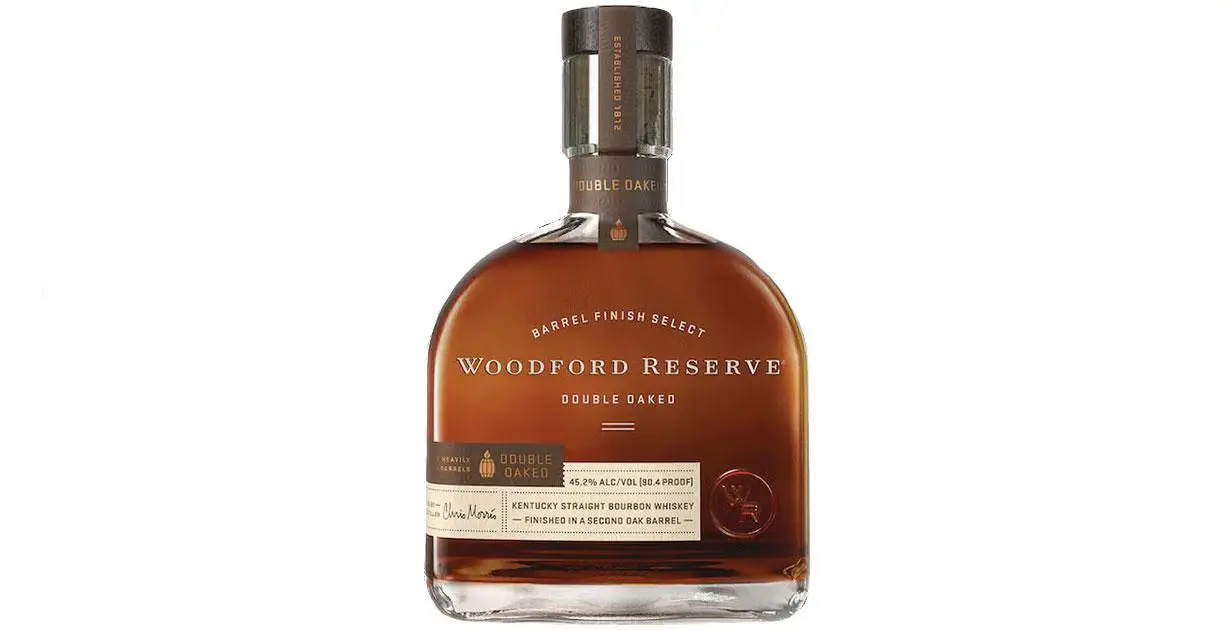
Woodford Reserve Double Oaked helped put double oak bourbon on the map when it launched in 2012. It starts as the classic Woodford Reserve mashbill, then moves into a second barrel that is deeply toasted and lightly charred. This finishing process adds extra layers of sweetness and oak character.
The bourbon has aromas of dark fruit, caramel, honey, chocolate, marzipan, and toasted oak on the nose. The palate is full of vanilla, hazelnut, apple, and spice with a long creamy finish. It is one of my go-to double oaked bourbons, perfect for any drinker with a sweet tooth. Widely available at around $50-$60 in the U.S. and £50-£60 in the UK, it remains a benchmark for the style.
 Trending Content
Jim Beam Double Oak
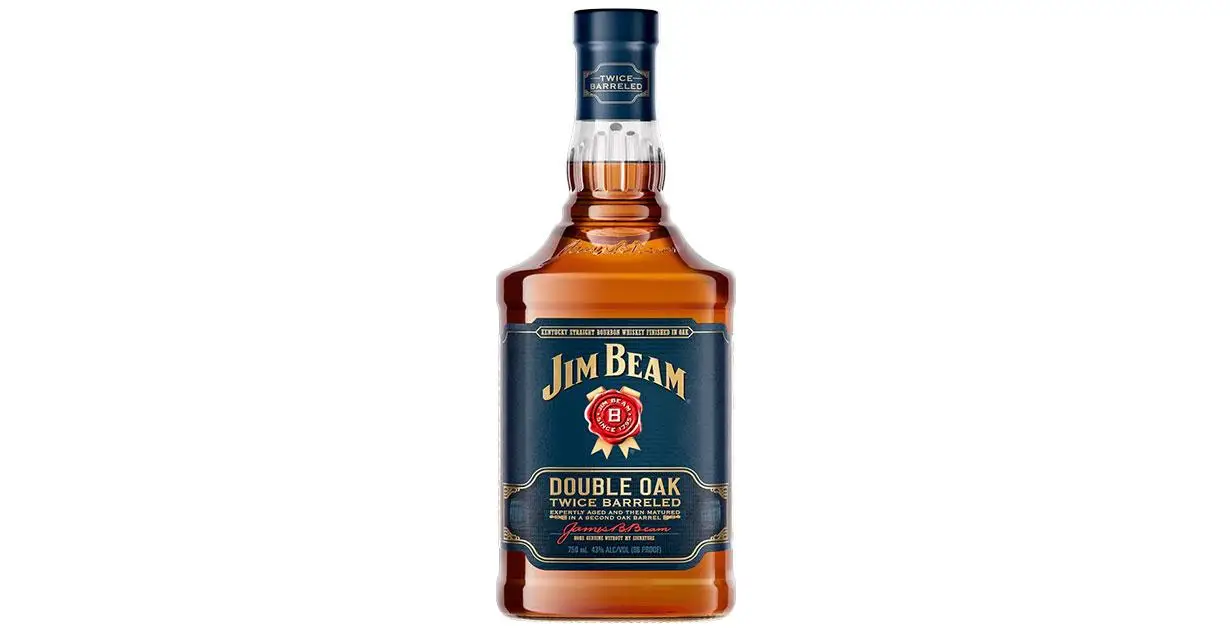
Jim Beam Double Oak is the most accessible entry into this style. First released in 2016, it begins as standard Jim Beam and is then re-barreled in freshly charred oak. This extra step brings more spice and toasted sweetness while keeping the familiar Beam character.
The aroma shows vanilla, oak, and milk chocolate. On the palate, it is smooth with sweet vanilla and a lingering charred finish. It is not the most complex bourbon, but it is a step up from the standard Jim Beam White Label in my opinion. At around $25-$30 in the U.S. and £25-£30 in the UK, it is a reliable and affordable introduction to double oak.
Every Kirkland Bourbon Ranked, From Worst to Best
READ THE STORYKentucky Peerless Double Oak
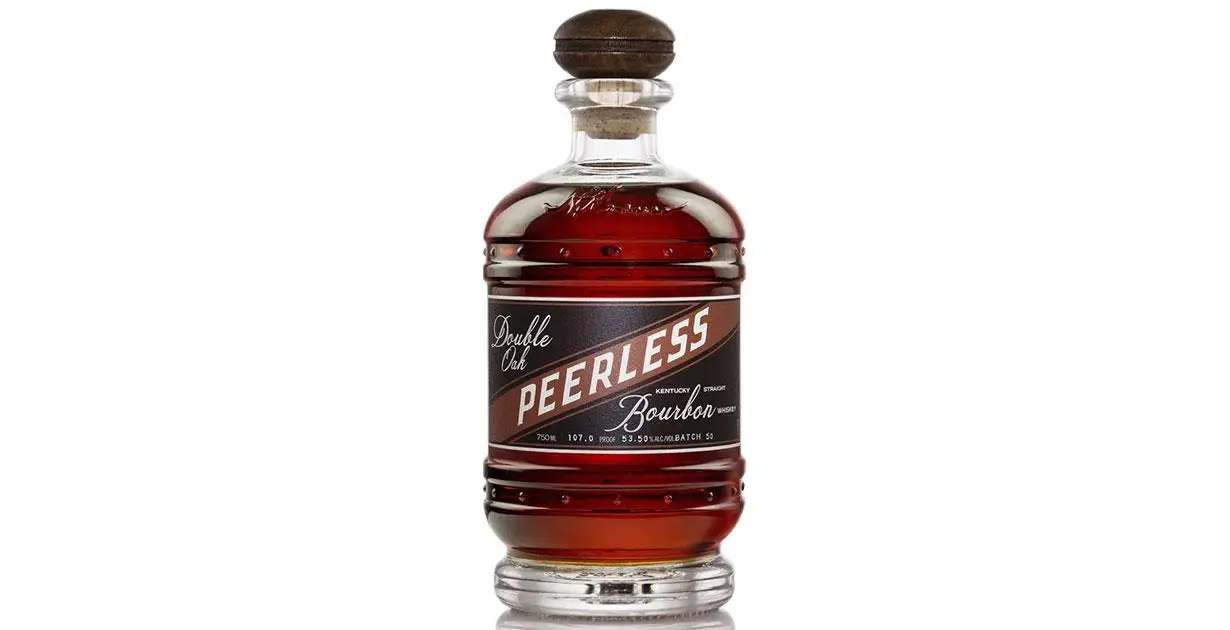
Kentucky Peerless Double Oak began by accident when a leaky barrel forced the whiskey into a second cask. The result was so good that it became a permanent release. The bourbon is aged more than four years in its first barrel, then moved into another new charred oak cask. It is bottled unfiltered at barrel proof, with the current batch at 107 proof.
Expect bold oak, cinnamon, leather, and dark chocolate with a thick mouthfeel. Whisky Advocate scored it 93 points, calling it complex and balanced despite the heavy oak. It is hard to find, priced around $90-$120 in the U.S. and £100 in the UK, but well worth the hunt.
Michter’s Toasted Barrel Finish
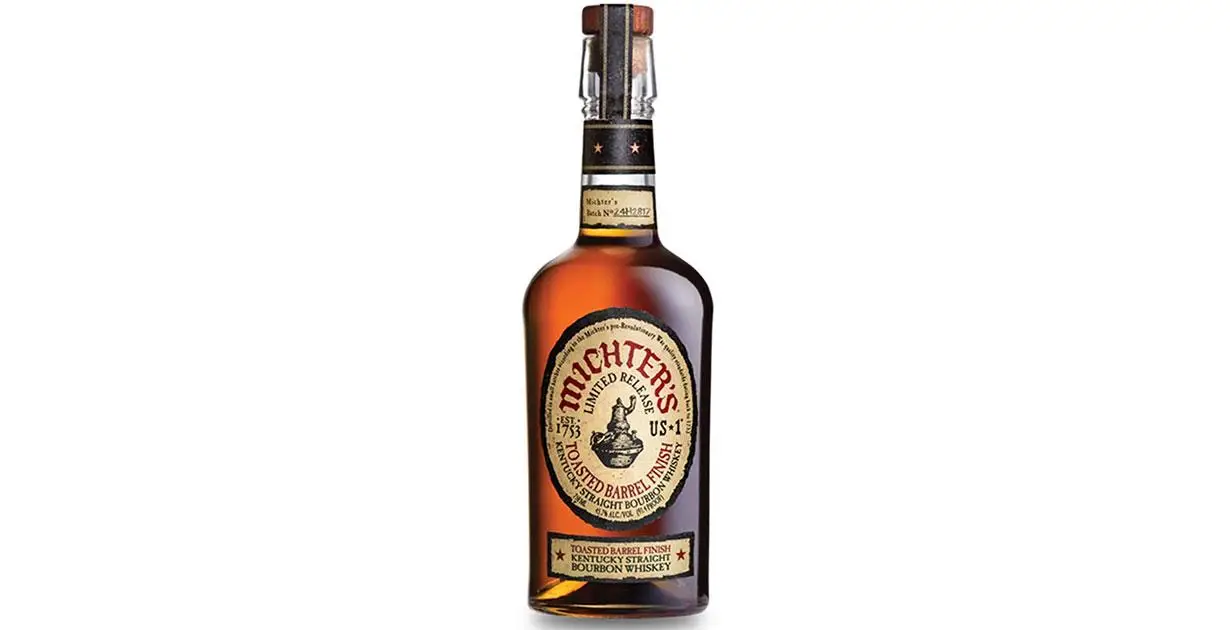
Michter’s Toasted Barrel Finish Bourbon first appeared in 2014 and returns only in limited runs. It starts as Michter’s US*1 Small Batch Bourbon and then moves into a second barrel made from air-dried oak that is toasted but not charred. This process highlights wood sugars without adding bitter tannins.
Official notes point to campfire, cinnamon, pecan, and candied fruit, with a finish of baked pears, vanilla, and marshmallow. Reviews often praise it as a category-defining whiskey, with scores above 90 points. Expect to pay about $100 at release in the U.S., though it often costs more. In the UK, it is rare and can exceed £200. Again, though, it is worth the price if sweet complexity is what you are looking for.
Old Forester 1910 Old Fine Whisky

Old Forester 1910 takes its name from a fire that halted production in 1910. Mature bourbon was saved by moving it into a second barrel, which gave it a unique flavor. Today, the distillery recreates that process with a second barrel that is lightly toasted and heavily charred.
The whiskey offers aromas of buttercream, toffee, cedar, and apricot. The palate brings oatmeal cookie, chocolate, caramel corn, and warm spice, with a finish of charred oak. At around $50-$70 in the U.S. it is widely available and known as a sweet dessert-like bourbon. It is also fantastic value for money. Good bourbon and a good story. What more could you ask for?