



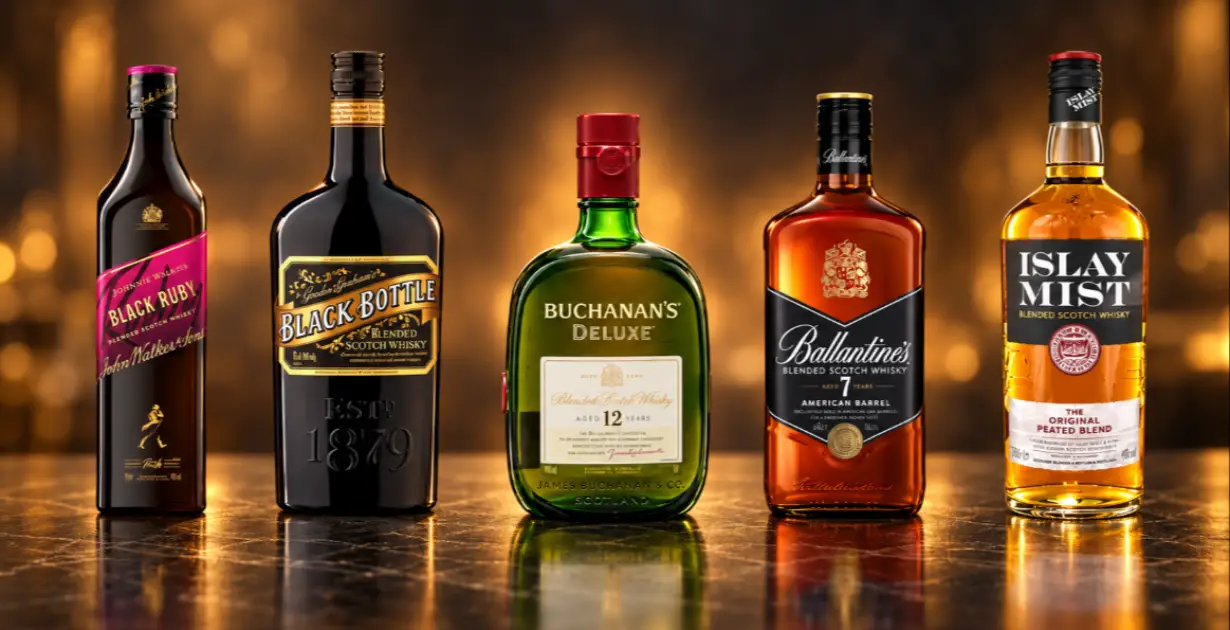
Can a bottle that costs less than a restaurant main course really win a medal? Every blended Scotch below took one this year, judged blind against whiskies selling for several times the money.
Panels at the major competitions taste from coded glasses without labels, packaging or price in front of them, which strips out the brand loyalty and the sticker shock that shape most buying decisions. A famous name on the label earns nothing at all on that table.
Each of the five took gold or better in 2026 or 2025, and each holds its price under $40 in normal retail. All five are bottled at 40% ABV, which is the standard strength for the category. Prices are real-world averages across US and UK retail, and they move by a few dollars either way depending on where you shop.
What Will Whisky Look Like in 2027? Voices from Whisky Live Paris
READ THE STORYJohnnie Walker Black Ruby – Red fruit, sherry sweetness, and a Master medal
Price: $33 / £27
ABV: 40%
Award: Master medal, The Scotch Whisky Masters 2026
 Trending Content


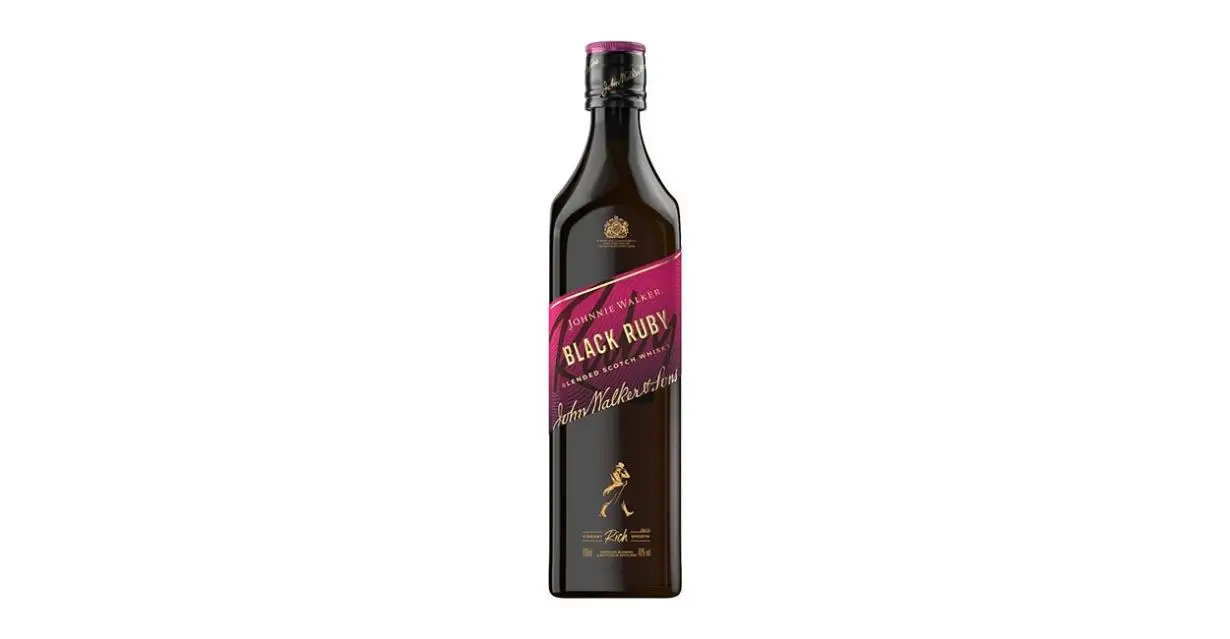
Black Ruby is the first core range addition Johnnie Walker has made since Dr. Emma Walker became master blender in 2022, and it does not behave the way a Johnnie Walker is supposed to. The house signature has always leaned on smoke, with Caol Ila and Talisker carrying the structure behind Black Label. This blend puts fruit at the front and lets the smoke work as seasoning instead.
The backbone comes from Roseisle, the large Speyside distillery Diageo opened in 2009 and has kept fairly quiet about ever since. Its contribution here matures in first-fill red wine casks, which is an unusual and expensive-sounding choice for a bottle at this money. Around it sit whiskies from Clynelish, Glenkinchie, Cardhu, Cameronbridge and Caol Ila, drawn from Oloroso and Pedro Ximénez sherry casks alongside ex-bourbon barrels.
What lands in the glass is red berries, honey, figs, plums and sweet cherry, carried on a buttery toffee weight with a little spice at the close. The Caol Ila shows up as a faint coastal edge rather than a peat statement. Anyone who has bounced off Black Label for being too smoky should start here instead.
A Master medal is the highest award the Scotch Whisky Masters gives, and it very rarely goes to a bottle this cheap. Set against Black Label at around $40, the value argument is difficult to answer. Drink it neat or over a large cube, and keep it away from anything that will bury the fruit.
Islay Mist – Dry peat smoke, sea salt, and honeyed grain
Price: $32 / £24
ABV: 40%
Award: Gold medal, International Spirits Challenge 2026
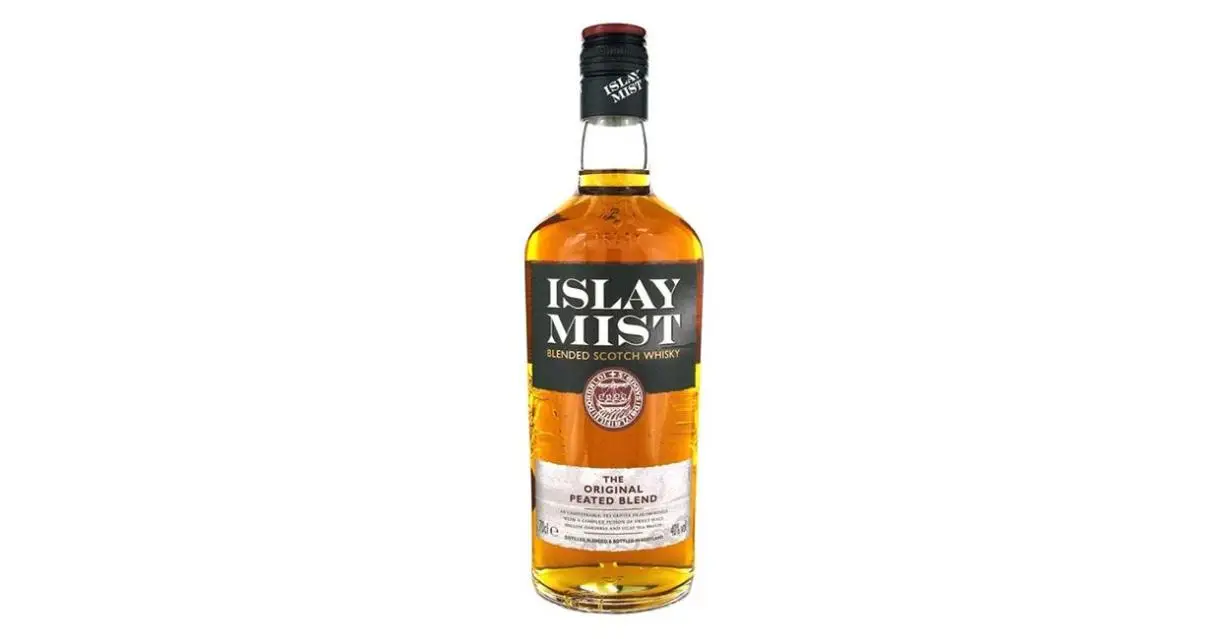
Islay Mist exists because somebody decided that neat Laphroaig was too much for a party. The brand’s own account dates the blend to 1922 and a coming-of-age celebration on Islay, where the host wanted his guests to taste the island without frightening them. The solution was to take Laphroaig as the heart of the malt content and wrap it in softer mainland whisky.
That original brief still describes the bottle accurately more than a century later. Laphroaig supplies the medicinal, tarry, unmistakably Islay core, and sweet mainland grain whisky spreads it out and takes the edges off. The result is genuinely smoky rather than smoke-flavored, which separates it from most blends that gesture at peat and deliver almost none.
The nose is dry peat smoke and sea salt, closer to a bonfire on a beach than to a hospital. The palate carries maritime phenols and warm oak, with the honeyed sweetness of the grain whisky holding the whole thing in balance rather than fighting it. The finish is shorter than a single malt would give you, and it stays clean.
Laphroaig 10 Year Old sits near $60, which is a substantial commitment for anyone who is not yet sure they like peat. Islay Mist offers the same conversation for roughly half the money, and it makes an unusually good Penicillin or smoky highball. This is the bottle we hand to people who say they want to try peat without explaining what peat is.
Black Bottle Original – Malty, sherried, and quietly smoky
Price: $29 / £22
ABV: 40%
Award: Gold medal, International Spirits Challenge 2026
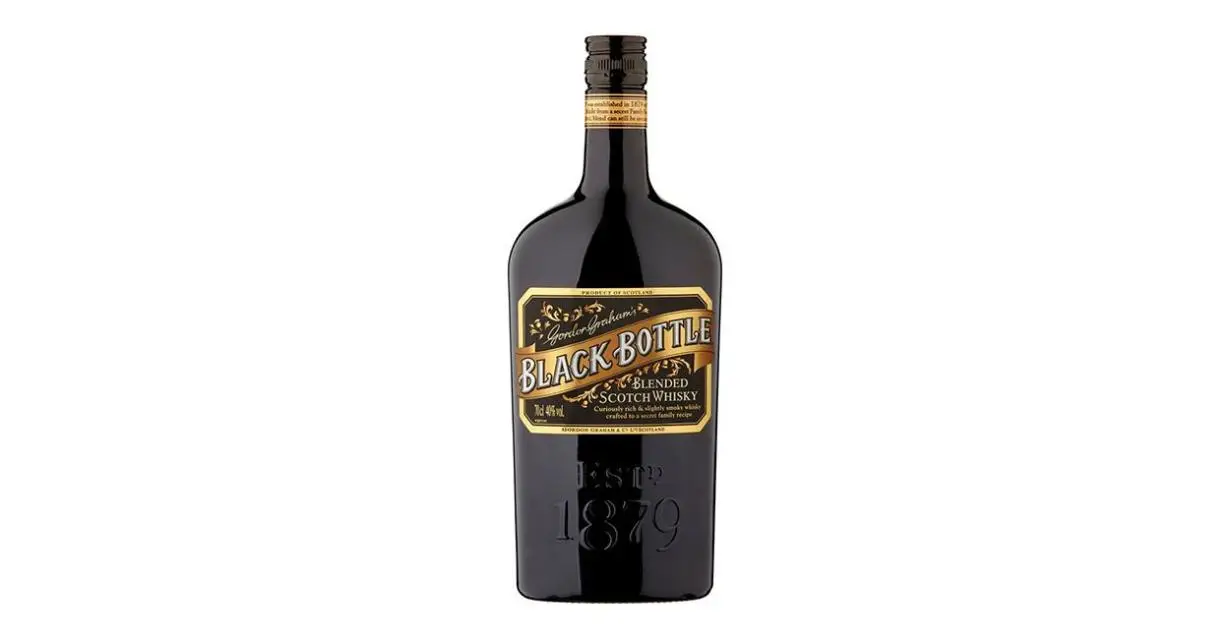
The Graham brothers were tea blenders in Aberdeen before they turned their attention to whisky in 1879, and the habits transferred neatly. Blending tea and blending Scotch both depend on holding several strong components in proportion without letting any one of them dominate. Black Bottle has carried that reputation for a high proportion of malt in the blend ever since.
At the core sits peated single malt from Bunnahabhain on Islay, including the heavily peated Moine distillate that the distillery produces alongside its unpeated house style. That material is balanced with selected sweet grain whiskies and matured across charred casks and sherry-seasoned wood.
The whisky is malty and honey-driven, and considerably richer than the price suggests. Sherry cask dark fruit arrives in waves rather than all at once, and the smoke reads as a soft maritime campfire somewhere in the background instead of a peat reek at the front. A lingering spice closes the whole thing out without turning harsh.
At $29 this is one of the most competitive propositions in whisky, and it is a legitimate everyday bottle rather than a compromise. It handles an Old Fashioned better than most 40% blends because the sherry influence gives the sugar something to hold on to. It also works neat, which cannot be said of every blend at this price.
Ballantine’s 7 Year Old American Barrel – Vanilla, orchard fruit, and bourbon cask sweetness
Price: $38 / £27.99
ABV: 40%
Award: Gold medal, World Whiskies Awards 2026 (12 Years and Under) and gold, International Spirits Challenge 2025
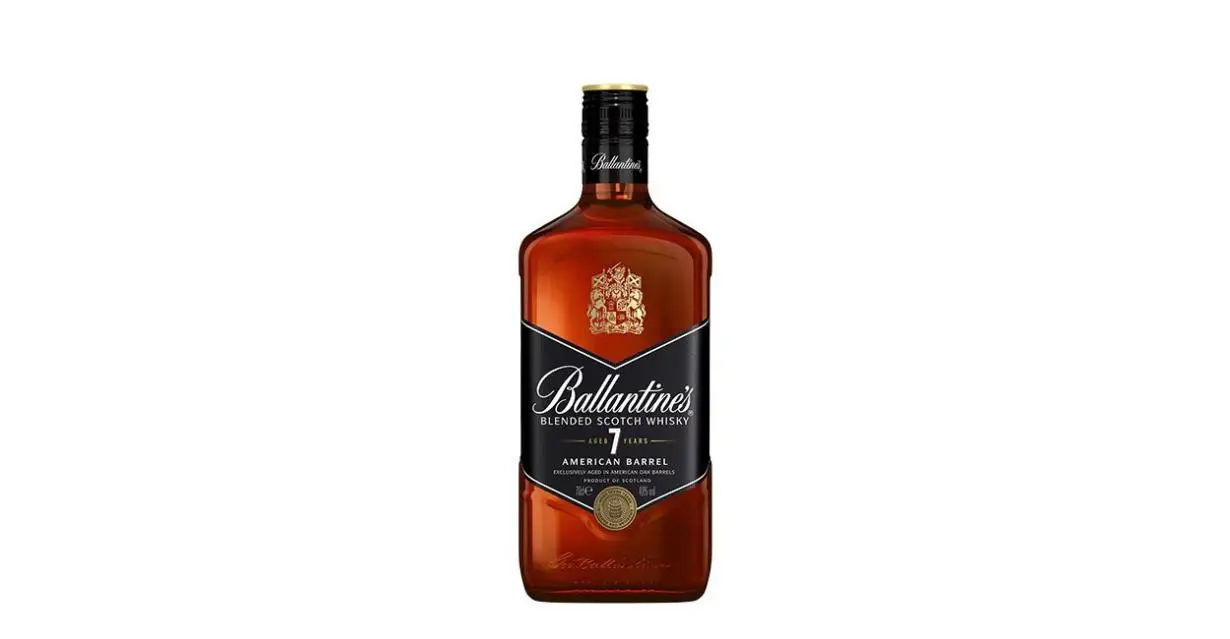
Ballantine’s released this in 2020 with a specific reader in mind, and that reader drinks bourbon. The idea was to build a Scotch that arrives on familiar ground for anyone raised on Kentucky sweetness, using first-fill American oak bourbon barrels to finish the blend and push vanilla and caramel forward.
The company frames it as a nod to George Ballantine’s nineteenth century practice of using aged stocks, and there is a real age statement underneath the marketing. Every component spends a minimum of seven years in wood before the finishing period begins, which is more disclosure than most blends at this price offer. The malt content leans on Glenburgie and Miltonduff, the two Speyside distilleries that have long supplied the Ballantine’s house character.
The bourbon influence is obvious in the glass and entirely unapologetic. Toffee apples, wildflower honey, ripe pear and rich vanilla run through the middle, and the finish is buttery and creamy rather than dry. There is no smoke to speak of, and no attempt to introduce any.
It is the easiest of the five to give to someone who has always said they do not like Scotch whisky. It also makes a decent Highball with soda and a slice of orange, where the vanilla holds up better than a drier blend would. Purists will find it sweet, and the people it was built for will not care.
Buchanan’s De Luxe 12 Year Old – Citrus, chocolate, and a full age statement
Price: $24
ABV: 40%
Award: Gold medal, International Spirits Challenge 2025
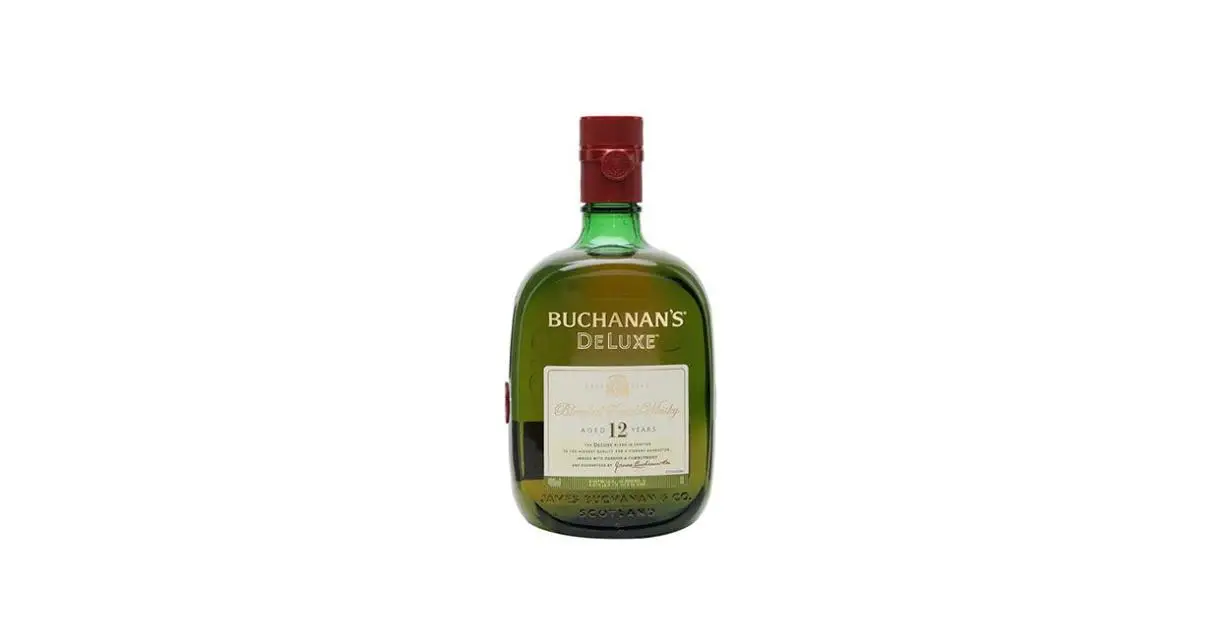
James Buchanan arrived in London in the 1880s and worked out something his competitors had missed, which was that the English market wanted lighter whisky than the Scottish one did. He built his blends accordingly and became one of the defining figures of the Victorian whisky trade. The De Luxe 12 still follows that original instruction very closely.
Every drop in this bottle has spent at least twelve years in oak, which at $24 is genuinely difficult to explain. Twelve-year age statements have been quietly disappearing across the industry as stocks tighten and no-age-statement releases take their place. Finding one at $24 is close to an anomaly in 2026.
The blend focuses on soft Highland and Speyside malts, and the result is light-bodied and unusually smooth. Bright orange peel and honey lead, followed by milk chocolate and vanilla, with a dry whisper of peat smoke sitting so far back that most drinkers will not name it. Nothing here demands attention, and that is the intention rather than a failing.
Its reputation was built in Latin America, where Buchanan’s has been a symbol of accessible luxury for decades and still outsells most of its rivals. UK availability remains patchy as a result, and American buyers have much the easier route to a bottle. At this money the twelve years alone justify the shelf space.
What $40 Buys in Blended Scotch Whisky
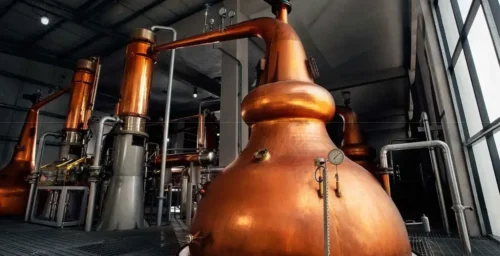
These prices are not the product of generosity, and nothing has necessarily been cut to reach them. Blended Scotch is mostly grain whisky, produced in continuous column stills at enormous volume and at a fraction of the cost of pot still malt. The malt content supplies the character, and the grain supplies the economics.
The scale of the companies behind them accounts for most of the rest. Diageo, Pernod Ricard and Distell move these blends in quantities that make single malt production look artisanal, and the fixed costs spread across millions of bottles rather than thousands. What you give up is cask strength, non-chill filtration and the transparency of a single distillery, none of which most drinkers are buying at this end of the shelf anyway.
Entry fees are the same for a $24 blend and a $2,000 single malt, and the panel does not know which is which when the glasses arrive. Competition results are one of the few places in whisky where that gap closes on merit.
Buying Notes and Common Questions About Award-Winning Blends
Medals are only as good as the panel behind them, and these three competitions are among the more credible. The International Spirits Challenge and the World Whiskies Awards both judge blind, and the Scotch Whisky Masters runs a tiered system in which a Master medal sits above gold and is awarded sparingly. A gold from any of the three means the whisky beat a large field without its label helping.
Blended Scotch and blended malt Scotch are not the same thing, and the price gap between them is large. Every bottle on this list is a blended Scotch, meaning it combines single malt with grain whisky from column stills. A blended malt contains no grain whisky at all, which is a large part of why it usually costs more.
Prices vary more at this end of the market than at any other, because supermarkets and warehouse clubs use big blends as traffic drivers. Buchanan’s in particular swings by several dollars between US states, and Islay Mist is easier to find in the UK than in most American stores. It is worth checking two or three retailers before committing.
Age statements are the one specification we would prioritize if you are choosing between similar bottles. Black Ruby and Islay Mist carry none, and both earn their place on flavor rather than on paperwork. Buchanan’s twelve years and Ballantine’s seven give you a guarantee about the youngest whisky in the bottle, which no amount of marketing language can substitute for.
How to Choose Between These Blended Scotches
If you want the most interesting whisky here, Black Ruby is the clear answer, and its Master medal reflects a blend doing something the category rarely attempts at this price. If you want peat without paying single malt money, Islay Mist gives you the honest version and Black Bottle gives you the gentler one.
Ballantine’s 7 is the bottle for a bourbon drinker who has never found a way into Scotch, and it makes no apology for how sweet it is. Buchanan’s 12 is the one to buy when you want an age statement, an easy pour and no argument, particularly if you are stocking a bar rather than a shelf.
None of these will replace a good single malt, and none of them are trying to. They are the bottles you open on a Tuesday without thinking about what you are spending, and the whisky industry consistently undervalues how hard that job is.