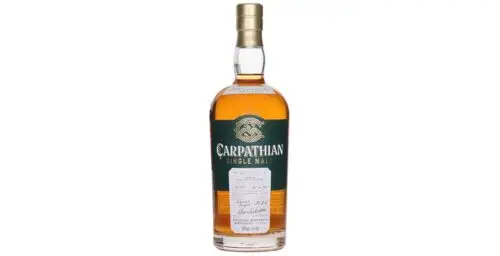





Both words in “single malt” mean something very specific. Let’s start at the end: malt means that the whiskey is made entirely from malted grain. Practically speaking, it’s almost always malted barley, but there’s no reason you couldn’t make a single malt rye, at least in the United States (in Scotland, the rules are a bit different: single malt must be made from barley).
Single means that the whiskey is the product of a single distillery. It doesn’t mean that it’s the result of a single distillation run, or even a single barrel; in fact, most Scottish single malt distilleries use a very careful blending process to produce a consistent single malt product.

Single grain is kind of the long-lost cousin of single malt. The “single” in the name tells you it too the product of a single distillery, but unlike single malt, single grain doesn’t need to be made from barley, nor does the grain need to be malted. Instead, single grain whiskies are often made from wheat, corn, or a blend of the two.
Quick whisky question
Single malt is everywhere, but what does it mean? We want to know what the word “single” means to you. Three quick questions, under a minute.
These days, most single grains find their way into blends like Chivas Regal and Johnny Walker. However, you’ll occasionally find some single grain whiskies released on their own terms, like Bain’s Cape Mountain Single Grain from South Africa, The Girvan Patent Still Single Grain from Scotland, or Teeling Single Grain from Ireland.
 Latest On The Whiskey Wash