





We’ll start with the people who have probably had the greatest effect on Scotch whisky: the English. For the better parts of the sixteenth through nineteenth centuries, the United Kingdom was a naval powerhouse. Of course, the large wooden ships constantly being built generated great strain on the oak forests of the island. Enter the French, who also built many great ships, but had the great foresight to begin forest conservation in the mid seventeenth century – not to mention the fact France is nearly three times larger than the United Kingdom in size. This meant they later had forests that could be used by coopers to make the large barrels needed for fermenting wines.
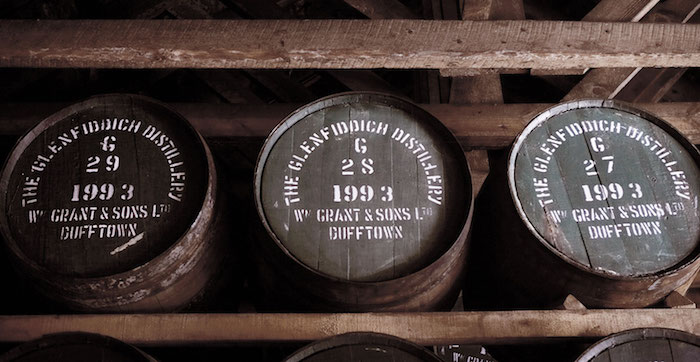
In the early nineteenth century, various treaties and political movements meant port and sherry could be imported in larger quantities. The spirits were shipped in casks and bottled at port. This meant the empty casks were available for use by thrifty distillers. The sweet wines held within the casks were quickly found to help mellow even the harshest of whisky and help younger spirits seem further along in aging. Reused casks would also impart their own unique flavor from the first fill, and the trend of reusing barrels quickly took off.
So in summary, the primary reason behind the use of ex-bourbon barrels in aging Scotch has been cost. But, beyond that reason is a history of naval warfare, political movements and the preferred tastes of the United Kingdom.
Quick whisky question
Single malt is everywhere, but what does it mean? We want to know what the word “single” means to you. Three quick questions, under a minute.
 Latest On The Whiskey Wash