



Investing in spirits, whether through individual bottles or entire casks, is far from a new phenomenon. Private cask ownership has long been woven into the history of distillation, providing smaller producers with much-needed capital while their barrels mature. From Scotland and the United States to the Caribbean and beyond, there have always been investors willing to commission spirit and patiently wait for the results.
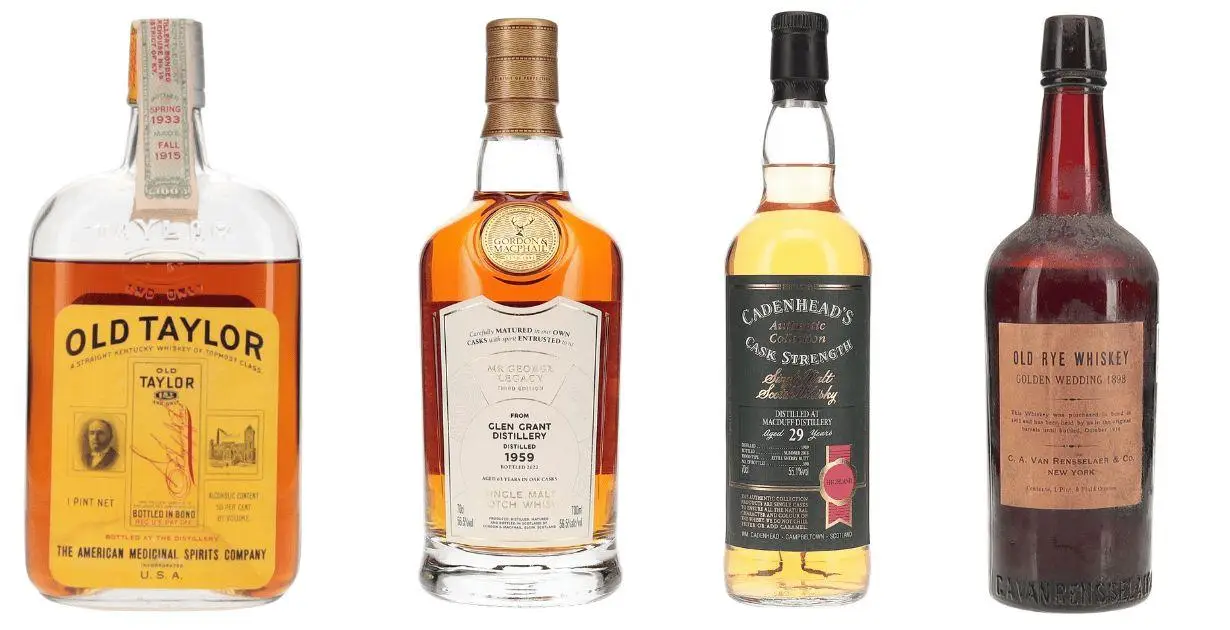
What has changed in recent decades is the type of investor entering the market. Historically, merchants and independent bottlers purchased casks with the intention of eventually releasing them under their own labels. Legendary names such as E. H. Taylor Jr., William Larue Weller, Gordon & MacPhail, and Cadenhead’s built enduring reputations by sourcing both new make spirit and mature stock, bottling it under their own brands, and in many cases, eventually operating distilleries themselves.
Access to these barrels, however, was traditionally reserved for businesses willing to purchase casks by the hundreds or even thousands. Today’s market looks very different. The boom in premium spirits during and after the COVID era opened the door for smaller-scale participation, with private individuals increasingly able to purchase shares in casks or entire barrels directly from producers.
What Will Whisky Look Like in 2027? Voices from Whisky Live Paris
READ THE STORYBefore continuing, I should note that none of this is investment advice. This article is simply a reflection on my own experience investing with a local Australian distillery, alongside some broader observations about the evolving spirits investment landscape. And for full transparency, I work for an American company that has helped broker cask ownership as well as owning inventory of barrels.
My Experience
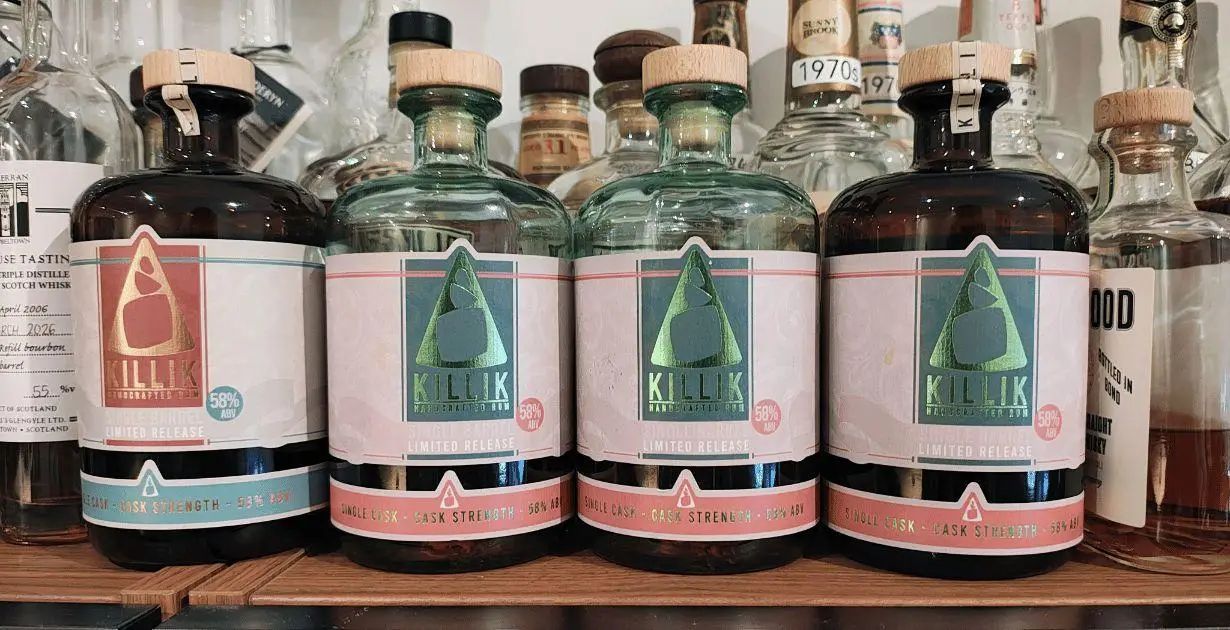
The rise of smaller independent distilleries over the past two decades has naturally increased demand for alternative financing. Enter Killik, a rum distillery based in Upper Ferntree Gully, roughly an hour from central Melbourne. I had visited Killik previously and quickly became a genuine fan of their spirit. Their production style draws heavily from Jamaican rum traditions, using long molasses fermentations designed to maximise ester development before distillation through both pot and column stills.
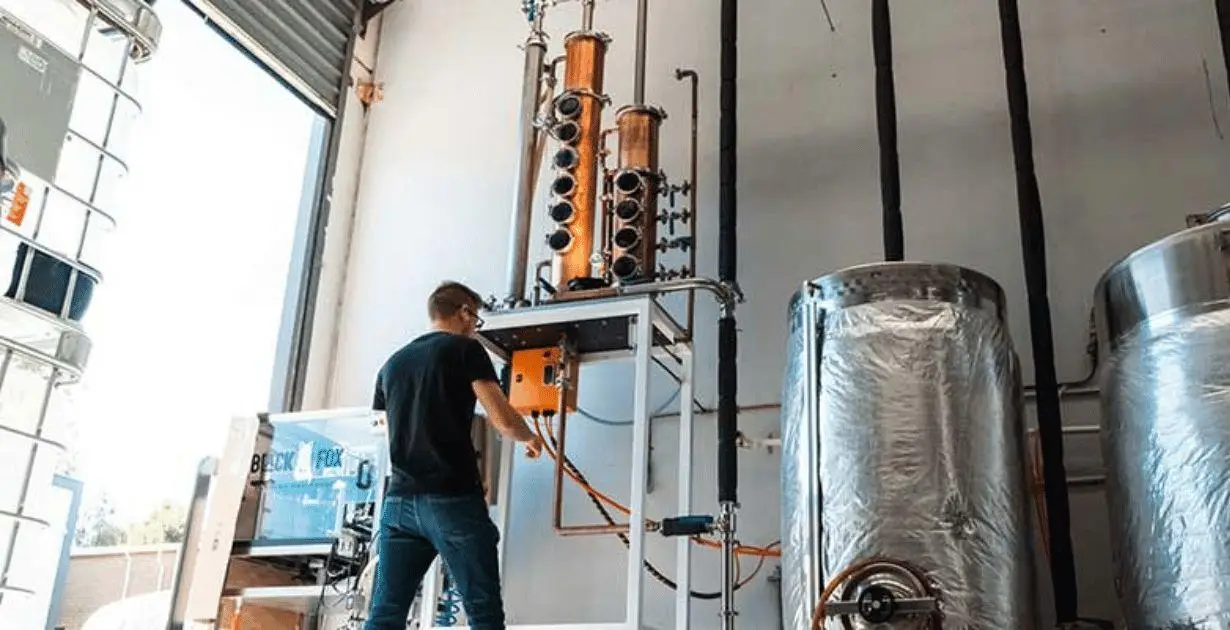
The resulting spirit is distinctive, characterful, and increasingly recognised internationally. If you happen to come across a bottle in your market, I highly recommend trying either their Silver Overproof or Killik Gold Rum.
 Trending Content

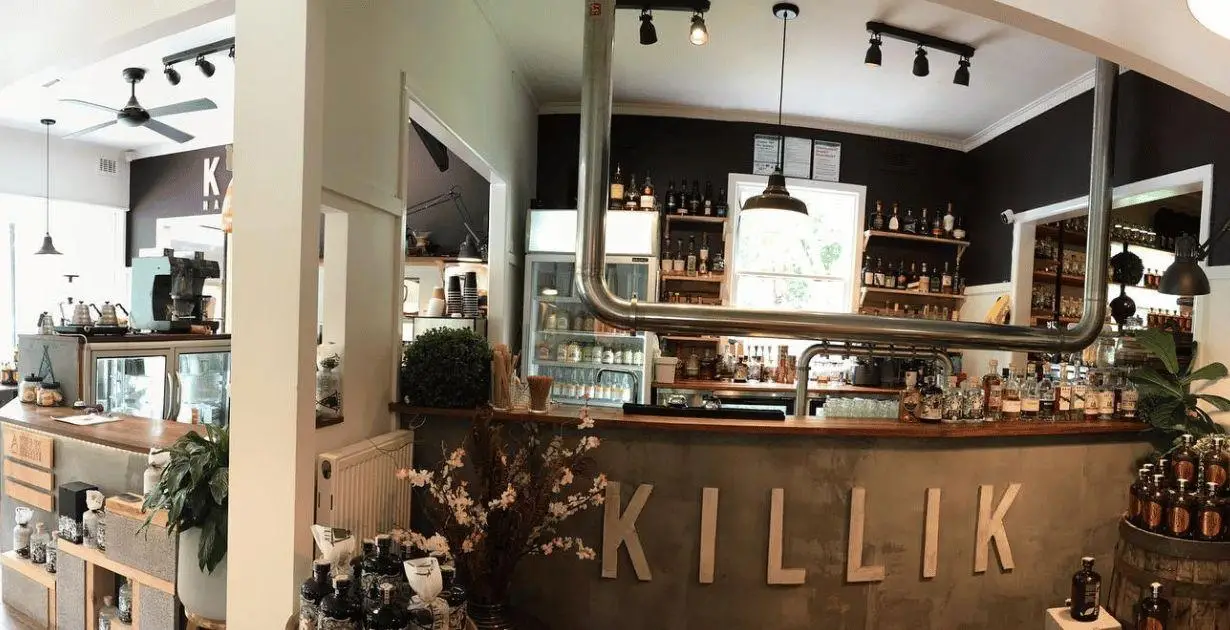
Alongside their rum and gin production, as well as their restaurant and cellar door operations, Killik decided to finance a new round of barrel fills by offering them to retail investors. The structure was straightforward: invest AUD$1,000 and, after three years, the distillery would return AUD$1,200, representing a 20% return over the investment period. To further sweeten the arrangement, investors would also receive 12 bottles of Killik rum throughout the term.
What interested me most was the opportunity to track the maturation process firsthand. I signed up, transferred the funds, and waited for the first opportunity to sample spirit from my allocated barrels. After discussing my particular interest in the maturation side of the program, Killik kindly allocated me access to two distinct casks. Barrel #27 was produced using their column still, while Barrel #49 was a younger, high-ester spirit distilled on their pot still.
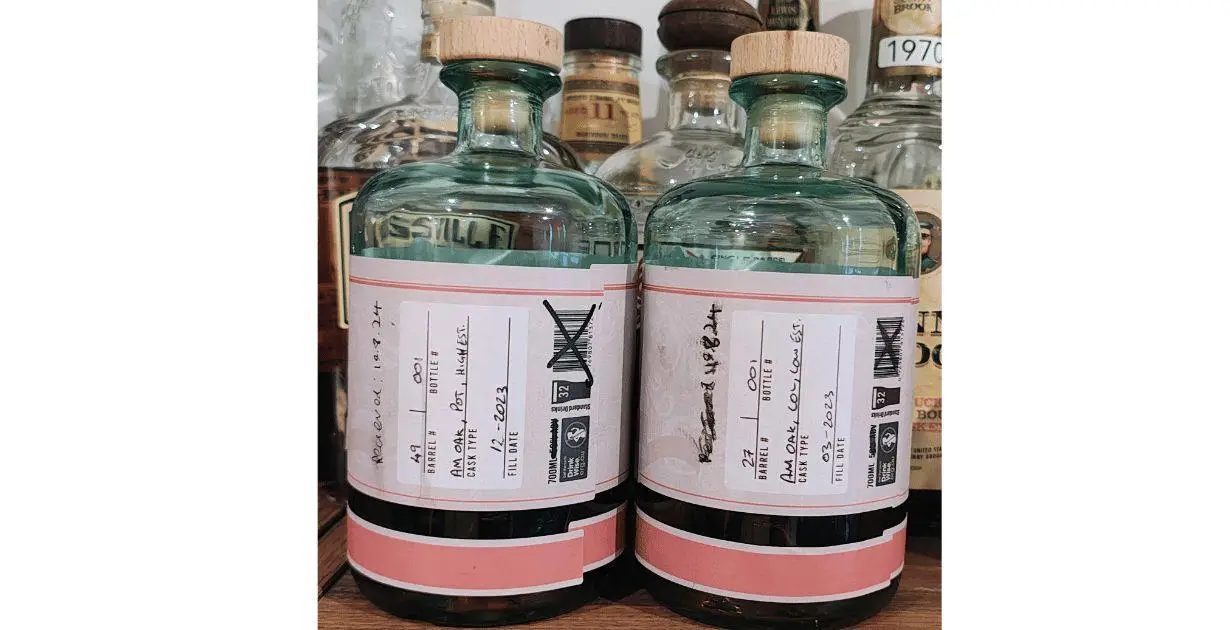
I requested a bottle from each cask and was able to taste them at 15 months and 9 months old respectively. Watching the differences between the two barrels evolve over time was genuinely fascinating. The column still rum developed a softer, more rounded profile relatively quickly, while the pot still cask remained intensely funky and ester-driven even at a young age.
By March this year, I had almost forgotten to organise additional bottle pulls when Killik reached out to announce that the investment term had matured. True to their word, they promptly returned the promised AUD$1,200, minus shipping costs for the bottles. Alongside the repayment came my remaining allocation: five bottles from the column still cask and five from the pot still cask.
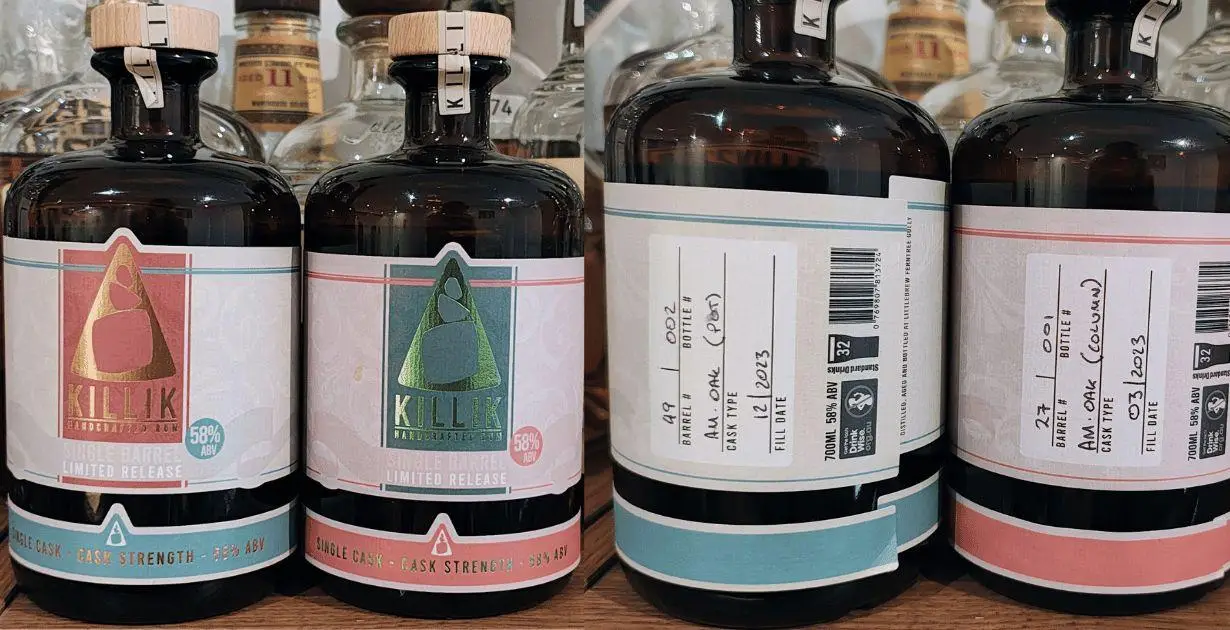
In purely financial terms, the return itself was relatively modest. But the real value of the experience was elsewhere. Over the course of the investment period, I was able to follow the development of two evolving casks, taste spirit at different stages of maturation, and ultimately end up with ten bottles of mature single cask rum from a local producer that, effectively, cost me nothing.
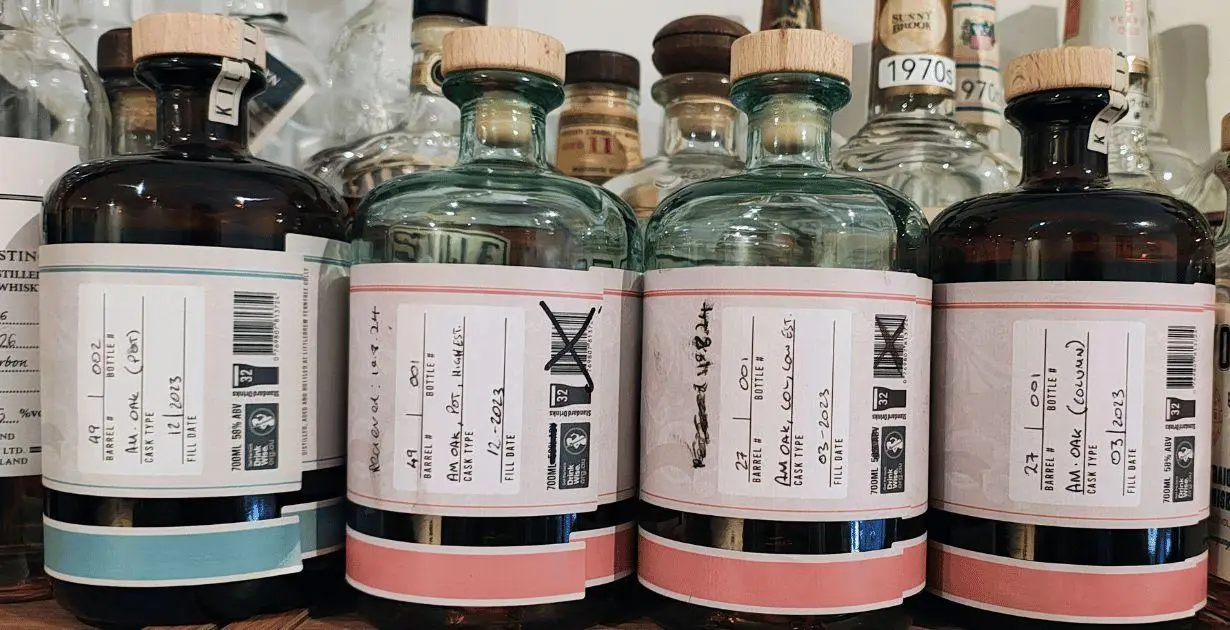
Of course, there was always an element of risk involved. Had the distillery collapsed during the three-year term, there was no guarantee investors would have recovered their money. But having followed the brand closely and visited the operation myself, I felt comfortable with the risk profile involved.
Private Cask Ownership

It is important to note that this investment did not entitle me to ownership of the barrels themselves. Private cask ownership is an entirely different avenue within the spirits world.
Typically, private cask ownership involves working directly with a distillery to purchase a newly filled barrel that you legally own. This can occur on a very small scale, as is common in Australia where 20-litre barrels are frequently sold to enthusiasts, or on a much larger scale involving 500-litre sherry butts and commercial warehouse storage.
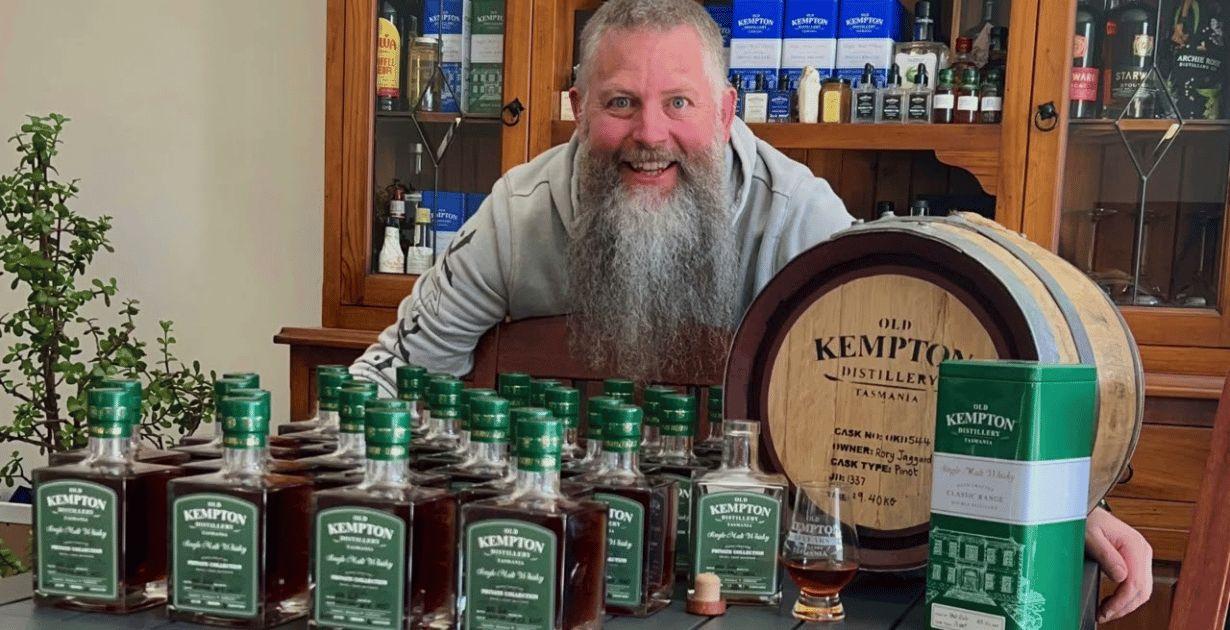
This approach offers substantially greater involvement in the maturation process. Owners may select the cask type, monitor maturation over time, and eventually decide when and how the spirit is bottled. But that additional control comes with significantly higher upfront costs and a much larger bottle outturn.
Because of this, private cask ownership has historically been popular among whisky clubs, enthusiast groups, and syndicates that can divide both the cost and the eventual bottle allocation among multiple people. In my view, this corner of the market is also where some of the most extraordinary returns for retail customers have occurred.
The Unicorns of Private Whisky Cask Ownership

The two distilleries I always point to when discussing successful private cask ownership are Bruichladdich Distillery and Springbank Distillery, two producers whose casks are now considered almost mythical among whisky enthusiasts.
During the 1990s, Springbank began shifting away from supplying blends and instead focused on building its identity as a single malt producer. To help finance this transition, the distillery offered private casks directly to customers. Buyers could choose their preferred barrel type and receive ten years of free storage. After that period, owners could continue maturing the cask for a relatively modest annual fee before eventually bottling the whisky and paying the associated taxes and bottling costs.
The 1998 pricing now looks almost surreal in hindsight:
- Refill sherry hogshead: £1,150
- Fresh sherry hogshead: £1,250
- Fresh port hogshead: £1,300
- Refill sherry butt: £2,300
- Fresh sherry butt: £2,500
- Fresh rum barrel: £900
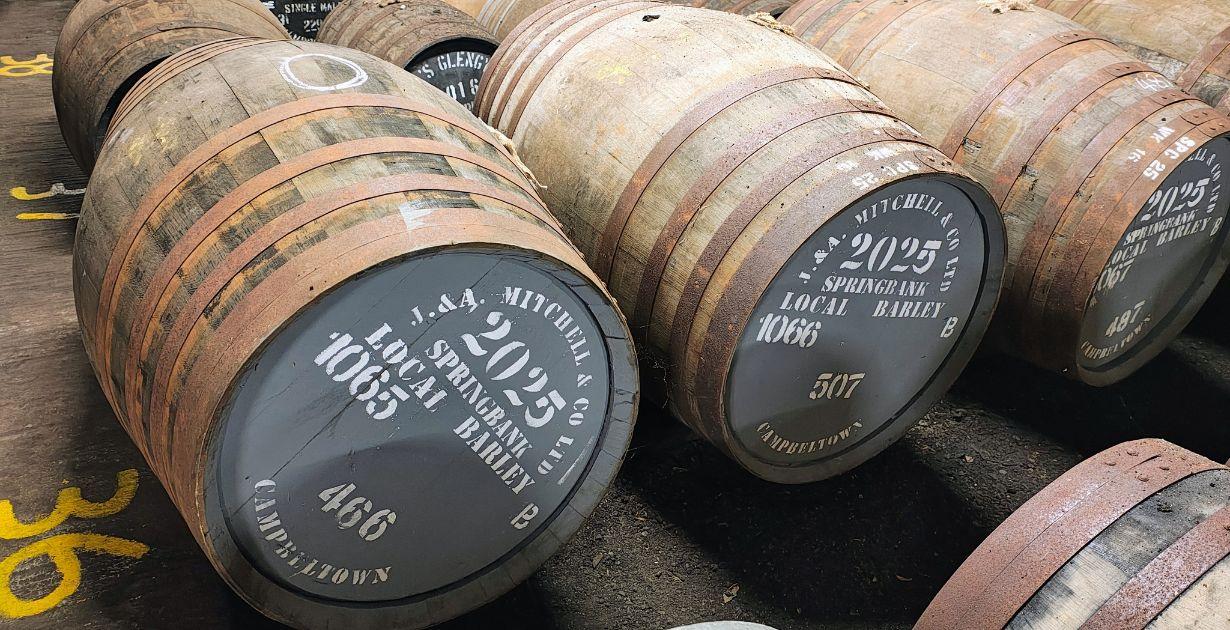
Today, mature single casks of Springbank command extraordinary prices. A recent 1998, 26-year-old single cask bottled by Decadent Drinks retailed for just under £1,000 per bottle. That particular cask was a fresh sherry butt yielding roughly 550 bottles, placing the total retail value north of half a million pounds.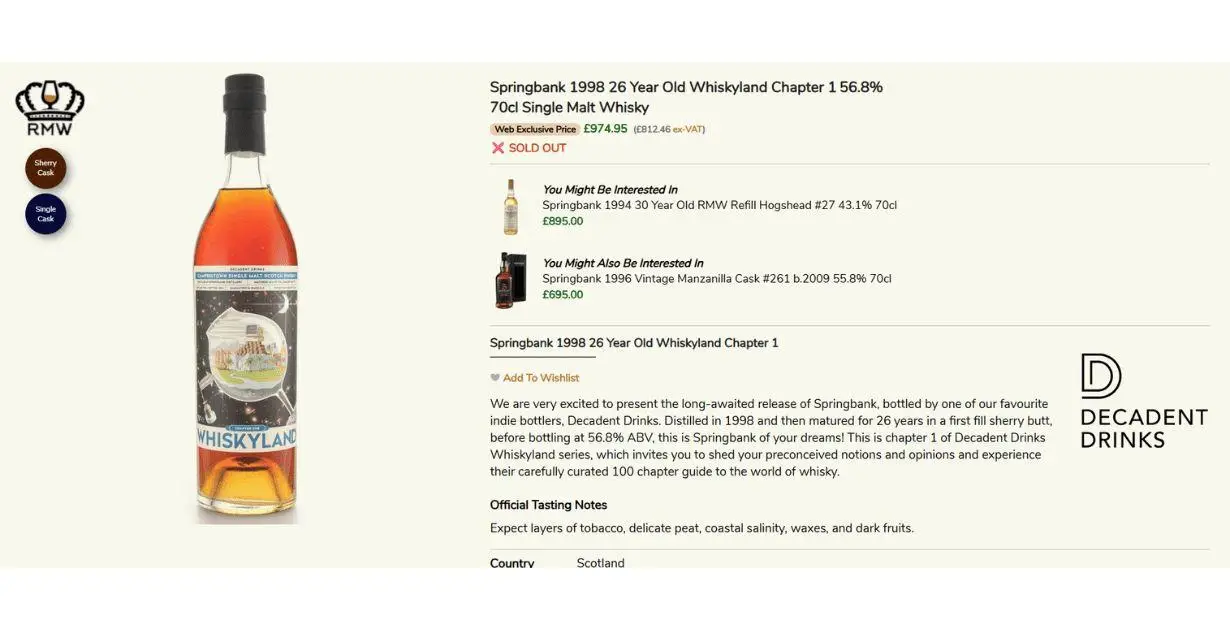 Naturally, retailers, bottlers, and governments all take their share along the way. But it illustrates how an initial £2,500 investment in the late 1990s could eventually translate into staggering returns.
Springbank ceased selling private casks in 2003 and no longer supplies spirit to independent bottlers. That combination of exceptional whisky, intense demand, and extremely limited availability has created a near-perfect storm for cask appreciation.
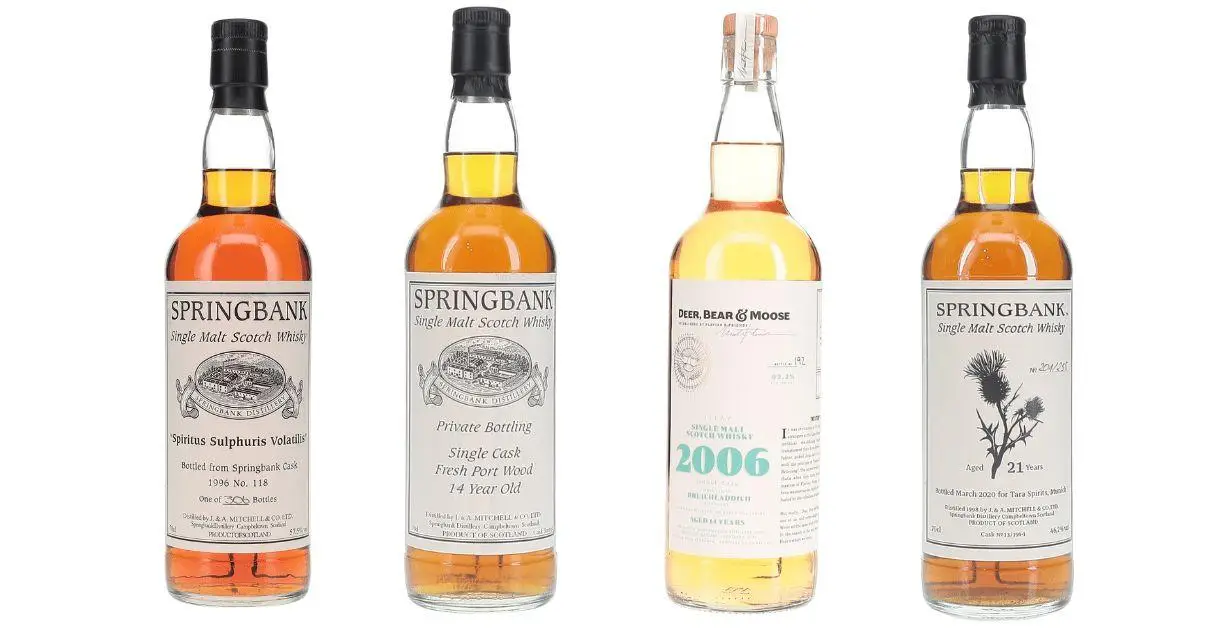
A similar story unfolded at Bruichladdich Distillery after the distillery’s revival in 2001. To finance early operations, Bruichladdich offered private casks across multiple spirit styles, including Bruichladdich, Port Charlotte, and even Octomore. Experimental spirit types were also sold privately, including Lochindaal new make, a heavily peated spirit never officially released by the distillery itself.
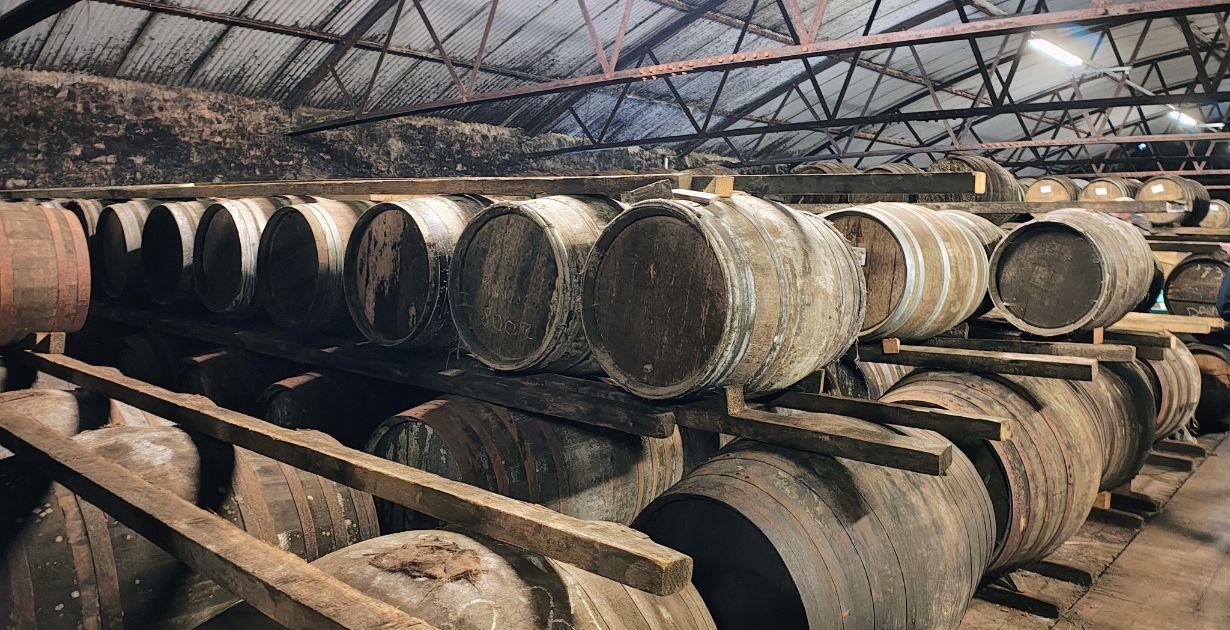
Bruichladdich’s 2001 pricing looked remarkably similar to Springbank’s earlier offering:
- Refill bourbon barrel: £775
- Rum barrel: £895
- Refill sherry hogshead: £1,050
- Fresh sherry hogshead: £1,100
- Port hogshead: £1,200
- Refill sherry butt: £2,100
- Fresh sherry butt: £2,195
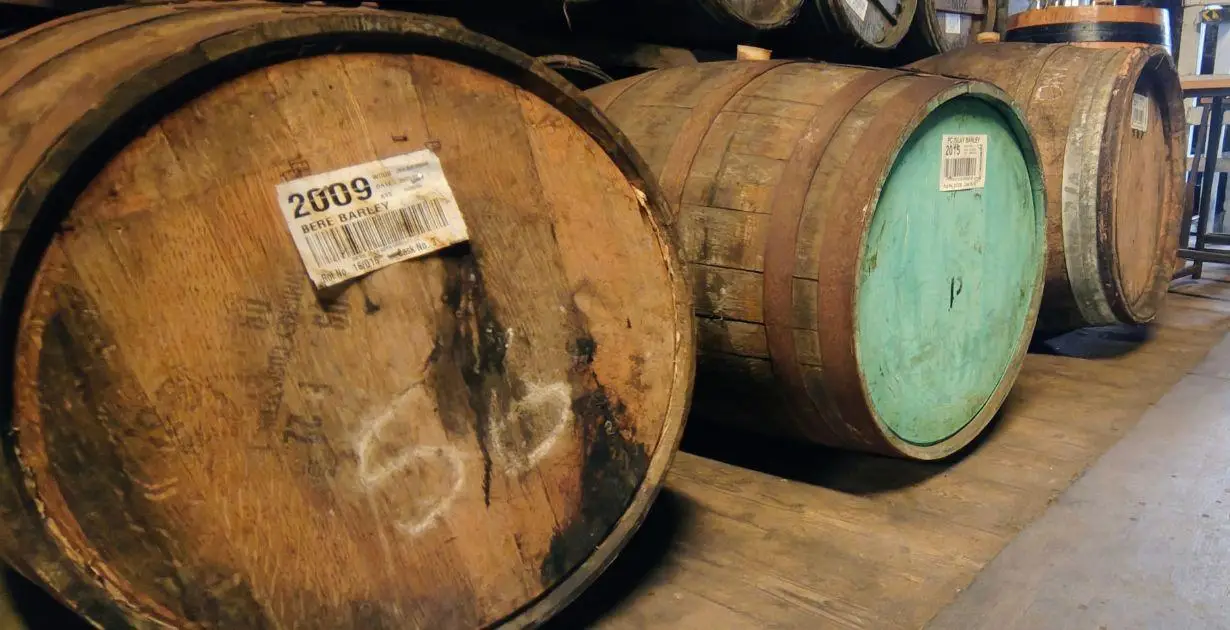
While mature Bruichladdich casks generally do not command Springbank-level prices, mature casks of Port Charlotte are now reportedly trading between £35,000 and £50,000 based on broker price sheets I have seen. For patient owners, an investment of around £1,000 two decades ago has potentially appreciated more than thirtyfold.
Ridiculous Cask Prices
It is important to note that not every private cask will deliver these kinds of returns. As whisky has surged in popularity, the cost of new-fill barrels has climbed alongside it. In my view, nowhere is this inflation more pronounced than in the Japanese market.
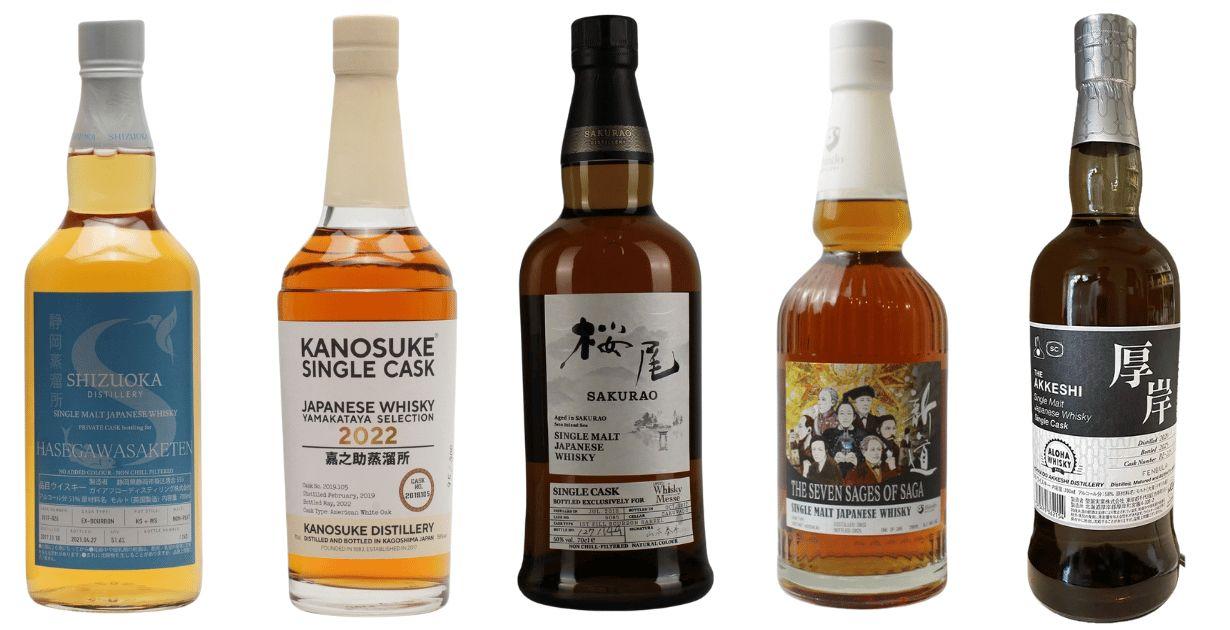
The 2020s have seen a wave of new Japanese craft distilleries enter the industry. Long-established sake and shochu producers have increasingly looked toward whisky as the future, and many have turned to private cask programs to help finance operations during their early years. As a result, casks from distilleries such as Kanosuke, Shizuoka, Ontake, Shindo, Saburomaru, and Sakurao have flooded onto the market in recent years.
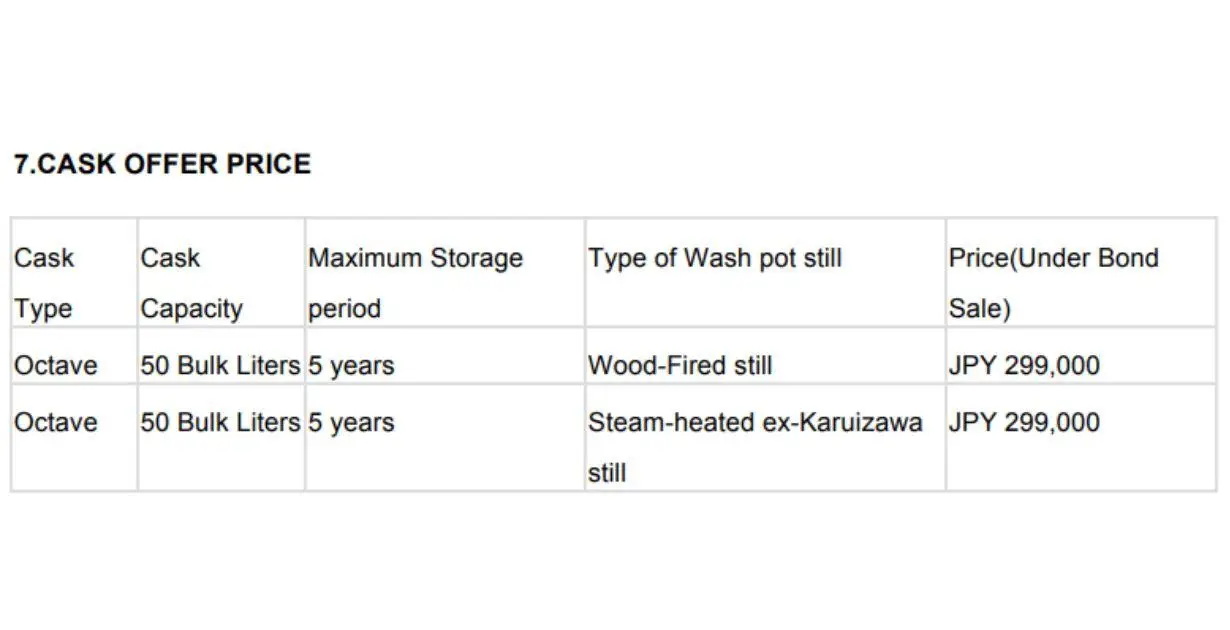
Unfortunately, the Japanese whisky boom has also created an assumption that “Japanese” automatically means “premium”, and private cask pricing has reflected this mentality. In 2019, for example, Shizuoka offered spirit in 50-litre octave casks for approximately £1,350, with the requirement that the whisky be bottled at a maximum age of five years. Scaled up to a standard 200-litre cask, the equivalent cost approaches £5,500. That is roughly 3.3 times the inflation-adjusted price of a refill bourbon barrel purchased from Bruichladdich in 2001.

Even Arran Distillery, which currently charges around £5,000 for a 200-litre bourbon barrel, includes ten years of storage within that price. Yet even this still represents roughly triple the cost of the comparable Bruichladdich cask from 2001.

The most extreme example I have encountered is the eye-watering pricing reportedly attached to private casks from the revived Karuizawa distillery. For those unfamiliar, Karuizawa was one of Japan’s few 20th-century malt whisky distilleries before closing in the early 2000s. The distillery was eventually dismantled, while its remaining casks were sold to Number One Drinks, which released the final stocks as single casks and vatted expressions to enormous critical acclaim.
A new company has since sought to revive Karuizawa using replica stills and equipment, with operations led by Yoshiyuki Nakazato, the distillery’s final master distiller.
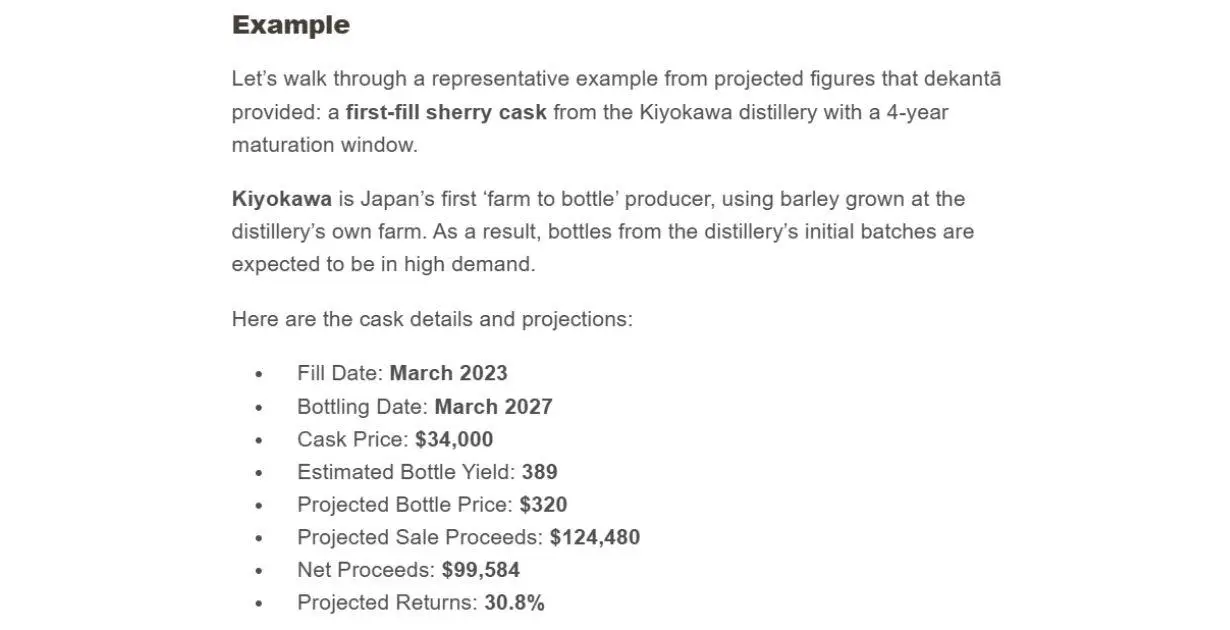
For full transparency, I do not have confirmed figures for the revived Karuizawa private cask program. However, industry rumours have suggested prices as high as US$100,000 for a single cask. Dekanta, the distillery’s official investment partner, has publicly advertised pricing for its partnership with Kiyokawa, a farm-to-bottle producer in Nagano. A first-fill sherry cask is reportedly priced at around US$34,000. Against that backdrop, rumours of a six-figure Karuizawa cask no longer seem implausible.
A Karuizawa cask will undoubtedly carry prestige and attract attention, heck two of the original distillery’s 1999 vintage casks just sold for £2 million a piece! But the fundamental question remains: will a distillery attempting to recreate a lost spirit style ever command the same reverence as the original? Will collectors view it as a worthy successor, or merely an imitation trading on nostalgia? At a US$100,000 entry point, that is an enormous risk to take.
What Do You Actually Do With a Private Whisky Cask?

A standard 200-litre barrel represents a substantial amount of spirit, with mature whisky casks often yielding more than 200 bottles. Larger formats, such as 500-litre sherry butts, will produce dramatically more.
For private owners, bottling such a volume can quickly become expensive once glass, labels, duty, excise tax, storage, and shipping are factored in. Because of this, many distilleries offer buyback programs, particularly when their own mature stock levels begin to tighten.
Some owners choose to bottle the entire cask for personal use or group distribution. Others may sell the cask while retaining a small number of bottles for themselves. But when cask values rise dramatically, as seen with Springbank and Bruichladdich, selling on the independent market often produces the strongest financial outcome.

Independent bottlers such as North Star Spirits, Thompson Bros, Decadent Drinks, and even organisations like The Scotch Malt Whisky Society frequently acquire casks from private owners before eventually bottling and releasing them under their own labels.
Opening a cask sale to the wider market creates competition among buyers and can significantly improve the final sale price.
Risks of Private Cask Ownership

No investment is without risk, and it is important to remember that, at its core, this is simply liquid sitting inside a wooden barrel in someone else’s warehouse.
Things can and do go wrong. Casks can leak, barrels can split, excessive evaporation can dramatically reduce the outturn, and warehouses handling hundreds of thousands of barrels occasionally make administrative mistakes. Barrels are sometimes misplaced, incorrectly labelled, accidentally dumped, or even sold twice.
Your cask may feel immensely important to you, but within a warehouse holding hundreds of thousands of maturing barrels, it remains a very small piece of a much larger operation.
I recall speaking with an American bottler last year who had spent almost USD$250,000 acquiring roughly 25 barrels of “Buff Turkey”, a nickname for bourbon distilled at Buffalo Trace Distillery to a Wild Turkey recipe. When the shipment finally arrived, three barrels were completely empty and another six contained dramatically reduced yields due to leakage and evaporation. Unfortunately, there was little practical recourse beyond absorbing the losses.
It is also essential to understand exactly who you are purchasing from. Like any speculative industry, spirits investment has attracted its fair share of bad actors over the past decade. Numerous companies have emerged claiming to sell private casks while failing to provide the legal documentation necessary to establish genuine ownership.
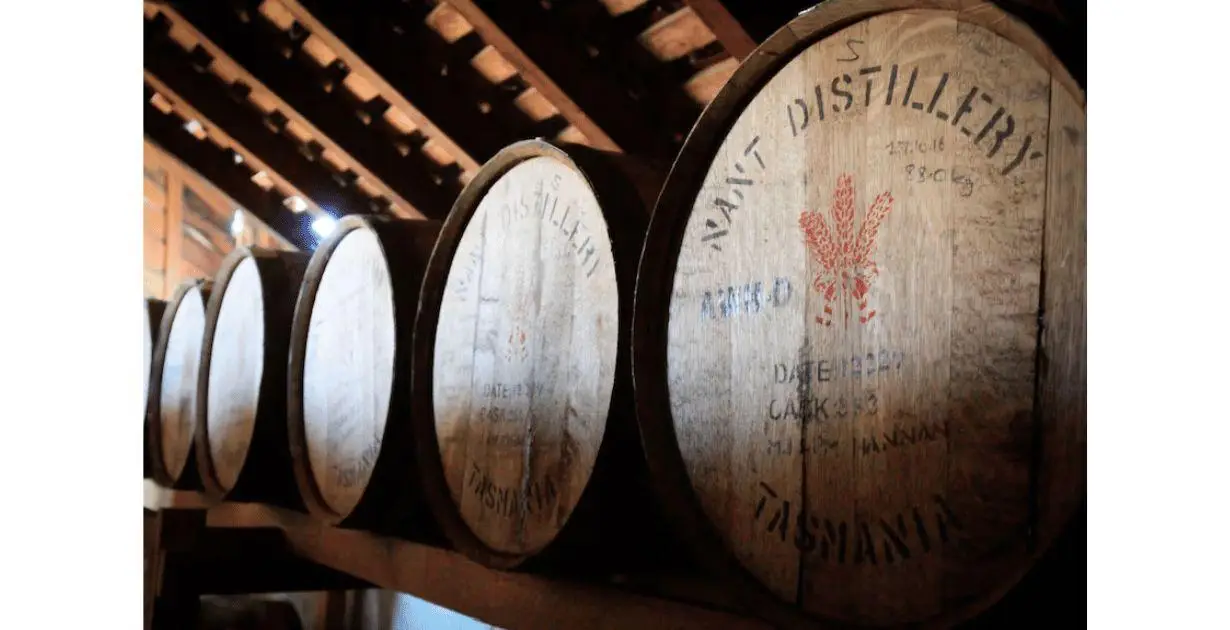
Some have ultimately collapsed, taking investor funds with them. Nant distillery in Tasmania is the most known in my region. This distillery ran a private cask program but either double sold or never filled a lot of the barrels. When the distillery went bust many investors were out sizeable sums and left with no barrels of whisky.
Before committing money to any cask investment, it is crucial to understand what rights your purchase actually grants you, who legally controls the stock, where the spirit is stored, and what risks are attached to the arrangement. The romance of owning a barrel of whisky or rum is undeniable, but it remains a speculative asset class built around a fragile product that can disappear just as easily as it can appreciate.
Final Thoughts

As I disclosed at the start, the company I work for owns private casks. Over the past several years, BAXUS has been developing technology and infrastructure aimed at bringing greater accountability, traceability, and transparency to what has often been a murky corner of the spirits industry. I intend to follow this article with a deeper exploration of how our platform seeks to make private cask ownership smoother, safer, and more trustworthy for investors and enthusiasts alike.
In the interim, if you have questions around cask ownership, pricing or how BAXUS is bringing more transparency to the industry, please reach out to us at [email protected]
That said, I do not believe cask ownership should ever be approached casually. Too many firms have treated barrels as little more than numbers on a spreadsheet, selling them from a price list with little care for the actual spirit or wood behind the investment. But a cask is not a bond, a stock, or a digital token. It is a living, maturing product. One barrel may evolve into something extraordinary, while another may never reach its potential.
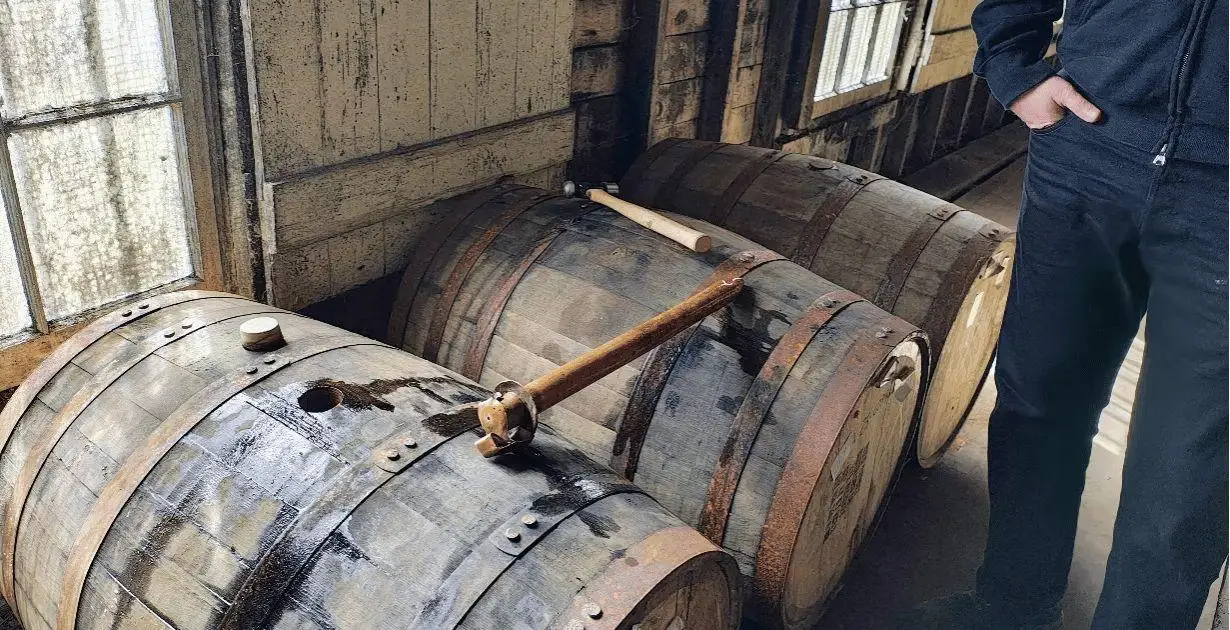
For me, as a spirits enthusiast, that uncertainty is part of the appeal. I love the romance of cask ownership and the sense of connection it creates with a distillery. When I worked with Killik, their successes genuinely felt like my own. And there is something uniquely satisfying about pouring a bottle drawn from your own barrel, a cask selected specifically for you and matured over years of patience and anticipation.
So, should you invest in a barrel of spirit? Ultimately, only you can answer that question. It remains a difficult and often opaque market to navigate, but it is also more accessible than ever before. For the right person, with the right expectations, private cask ownership can be far more rewarding than a simple passive financial investment.