



Were it not for glorious falls and springs, Kentuckians would gripe endlessly about the Commonwealth’s weather. Across the span of all four seasons, summer heat soars past 100 F and winter cold plunges below zero. But while such temperature swings wreak havoc on locals’ moods, they’re ideal for making Kentucky bourbon and curing “country” ham.
“Look at a globe, point to Kentucky and then trace that latitude around the world,” says Jay Denham, master curer at Woodlands Pork, maker of the Mountain Ham in Louisville, Ky. “You’ll start to see a narrow line going through Spain, Italy, France and China, all places known for cured hams. We call that the Ham Belt.”
A lifelong Kentuckian who worked 16 years as a chef prior to becoming a ham maker, Denham has long known that cured ham and bourbon pair brilliantly.
What Will Whisky Look Like in 2027? Voices from Whisky Live Paris
READ THE STORY
“The flavor that really connects them is the smoke in both,” he says.
Bourbon gets its smokiness via temperature fluctuations that move it into and out of the barrel’s char layer. Country ham gets its dose of smoke during aging.
“Just smelling both of them side by side, is awesome,” says Denham, grinning. “It blows me away sometimes that so few restaurants have figured out how to pair them.”
 Trending Content
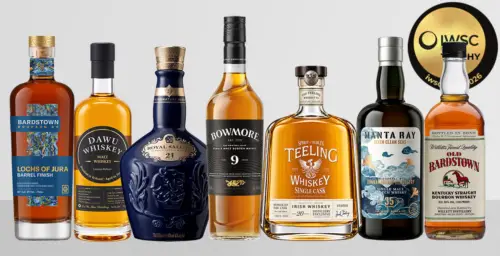
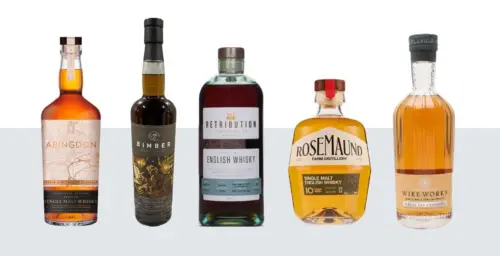
A brief cured pork primer: Country ham is loosely defined as the fresh hindquarter of a pig that’s been rubbed with a blend of 80 percent salt, 20 percent sugar, and a handful of black or crushed red pepper. The cure leeches water from the meat, which is then smoked and dry aged.
Before the advent of mechanical refrigeration, hogs were slaughtered in the early winter when it was cold enough to store salted meat outside without fear of it rotting. As temperatures warmed with the arrival of spring, the salt penetrated further into the meat and pushed out water, which harbors bacteria.
In the late spring, the ham was smoked near a fire of hickory or fruit wood to adorn it with a rich pecan color and a delicate aroma. Rising summer temperatures then triggered an enzymatic reaction that developed flavor and ensured the meat’s shelf-stability.
“You’ll hear on distillery tours that yeast is where the magic happens,” Denham says. “With hams, it’s that enzymatic reaction that makes them taste incredible.”
Bob Woods, ham maker and owner of The Hamery` in Mufreesboro, Tenn., calls country ham, “Hillbilly prosciutto. Most Southerners do cook their country ham, but if you just slice it and eat it just like prosciutto, it’s wonderful. I’ve really come to like it that way.”
As has Megan Breier, the Kentucky brand ambassador at Jim Beam in Clermont, Kentucky who we recently profiled. Her boss, master distiller Fred Noe, III, cures country hams at his home, “and you know he’s eating his with a glass of bourbon close by!”
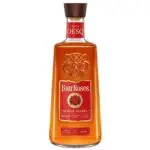
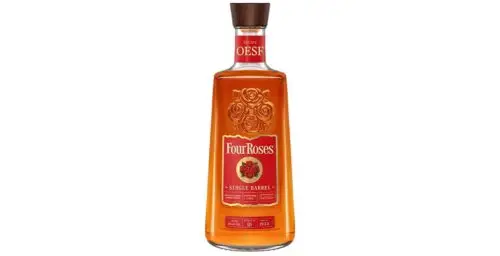
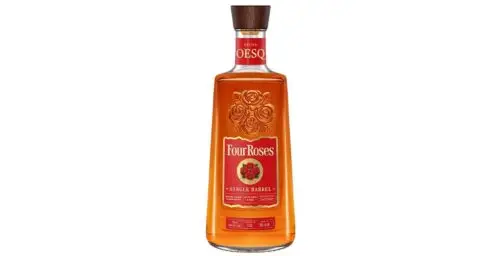
Last February, Denham, Breier and I created a bourbon and cured ham pairing for about 80 people . Two weeks prior to the event, Breier brought a half dozen Beam whiskies to Denham’s home, where we and several chefs tasted eight ham and whiskey combinations.
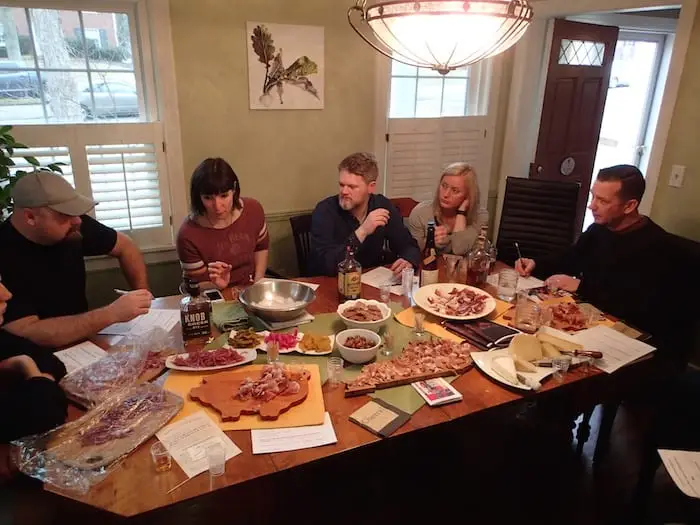 The Oakroom in Louisville. “That pairing is just huge on the palate.”
If you’d like to try your own country ham and bourbon pairing, here are a few tips.
- Order ham (nearly all can be found online) sliced paper thin. Thick ham is super salty and chewy.
- Serve the ham at room temperature.
- Same for your whiskey: Pour small tastes 30 minutes prior to the pairing and let them breathe.
- Serve sliced baguette (preferably) to assist in palate cleansing. Dried fruit and nuts also are recommended as both amplify the flavors of the ham and the bourbon.