The news that MGP Ingredients plans to scale down its whiskey production has sent ripples through the American whiskey community. Known for its expansive industrial distillation capacity and its role as a cornerstone for numerous emerging whiskey brands, MGP’s shift marks a significant moment for the industry. With sales plunging by 24% in the third quarter of 2024 and declines across all segments, the Kansas-based producer is taking decisive action to navigate a challenging market.
This isn’t merely a company-specific issue. The announcement highlights key trends and pressures reshaping the American whiskey landscape, from oversupply to evolving consumer preferences. What does this decision mean for MGP, its brand portfolio, and the broader industry? Let’s examine the dynamics at play.
MGP’s Decision: A Strategic Retrenchment
MGP’s financial results for Q3 2024 confirmed a 24% year-over-year drop in consolidated sales, with its “Distilling Solutions” segment experiencing a sharp 36% decline. In response, CEO David Bratcher outlined plans to lower net ageing whiskey inventory, scale back production, and focus on its branded spirits arm, which includes well-known names like Lux Row Distillers, Limestone Branch, and Penelope Bourbon.
“In response to the softening American whiskey category trends and elevated industry-wide barrel inventories, in 2025 we plan to further lower our net ageing whiskey put away, scale down our whiskey production, and optimise our cost structure to mitigate lower production volumes,” Bratcher stated.
Premium-plus sales within its branded spirits division increased by just 1%, while the mid- and value-priced portfolio saw sharper declines. MGP’s shift signals a recognition that the days of rapid growth in contract distilling may be behind us—at least for now.
A Crowded Marketplace and Slowing Demand
Public reaction to the announcement has been telling. On Reddit’s r/bourbon community, users voiced frustrations over pricing and market saturation. Comments such as “When every new limited bottle demands a $75+ price tag, it’s a bit eye roll inducing” reflect growing fatigue among consumers.
Others pointed to broader economic and cultural factors. “Gen Z is drinking less than any generation before them,” noted one user, referencing a cultural shift away from alcohol consumption. Coupled with economic pressures, these changes have reduced discretionary spending on what many consider a luxury item.
Moreover, the explosion of craft distilleries has shifted demand. Many once relied on MGP’s sourced whiskey to fill their bottles, but as these brands scale up their own production, reliance on MGP has waned. “The craft distillers are coming of age, selling their own juice,” remarked another Redditor.
What It Means for the Industry
MGP’s decision to scale down production underscores a significant oversupply issue in the American whiskey market. Recent estimates suggest there are over 12 million barrels of bourbon aging in Kentucky alone—a staggering number when considering slowing consumption rates.
This echoes past boom-and-bust cycles. The whiskey glut of the 1970s and 1980s led to closures and consolidations across the industry. Today’s producers face a similarly precarious balance: too much inventory risks devaluation, while underproduction could lead to shortages in future years.

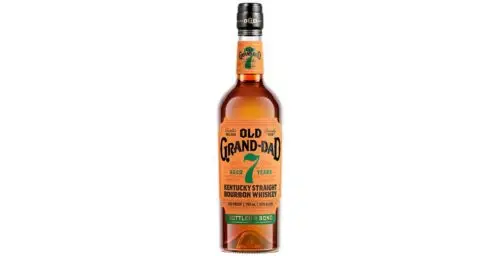
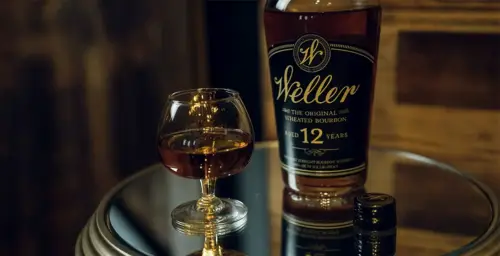
For consumers, the near-term effects could include increased focus on premium branding and limited releases, with producers attempting to justify higher prices for younger stock. However, some Redditors expressed hope that the glut could eventually lead to more aged expressions entering the market, offering better value for enthusiasts.
MGP’s Future: From Commodity to Brand
Conclusion
MGP’s decision to scale down whiskey production is a bellwether for the industry, highlighting the challenges of managing supply, navigating consumer trends, and maintaining profitability in a competitive market. While it represents a pivot for the company, it also serves as a microcosm of broader industry dynamics.
For whiskey enthusiasts, the coming years may bring both challenges and opportunities: a market recalibrating from oversupply could mean fewer new releases but potentially more aged and higher-quality products. For producers, the need to innovate and adapt has never been more urgent. MGP’s story is just the latest chapter in the evolving narrative of American whiskey.
Sources
MGP Ingredients Q3 2024 Financial Results