



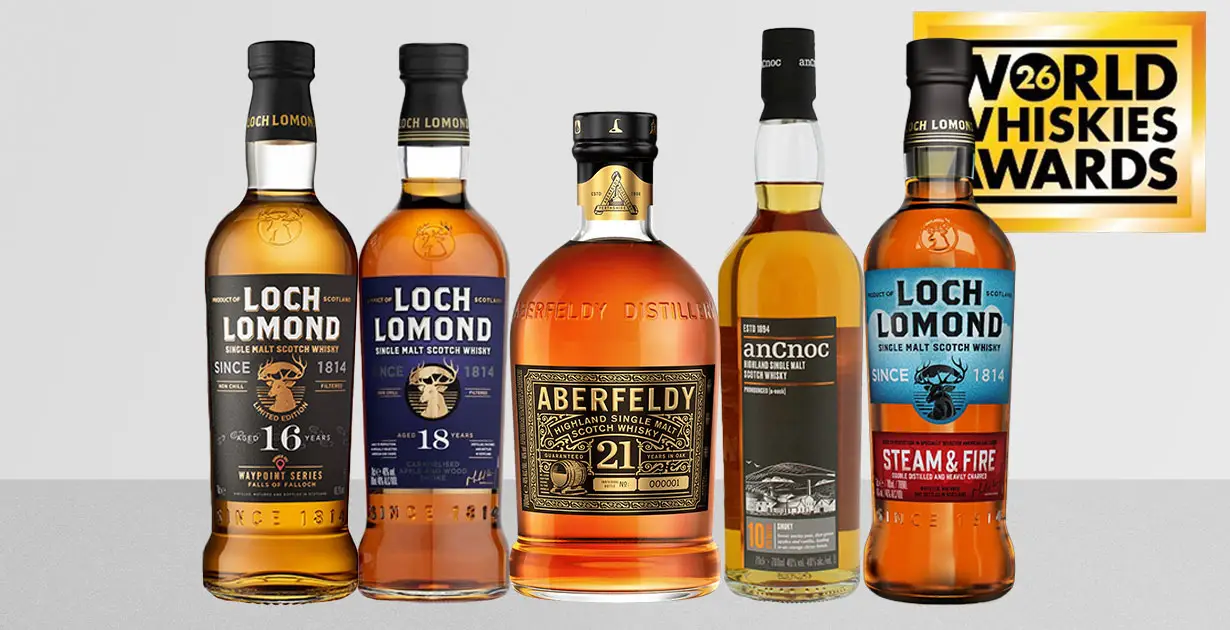
The Highlands is Scotland’s most expansive whisky region, and often its most misunderstood. It is not defined by a single flavor profile or production style. The World Whiskies Awards Scotland 2026 results reinforce that point clearly.
This year’s Gold medal winners range from long-aged, honeyed classics to technically driven modern releases and lightly peated malts. Each whisky was judged blind by industry experts and stood out for balance, intent, and execution.
Rather than chasing trends, these Highland single malts show how tradition and innovation can coexist. Some lean on heritage and time. Others rely on engineering, cask control, or careful peat use.
What Will Whisky Look Like in 2027? Voices from Whisky Live Paris
READ THE STORYThese are the best Highland single malt scotch whiskies of 2026, as recognized by the World Whiskies Awards.
Loch Lomond Waypoint – Falls of Falloch
Style: 13 To 20 Years
Medal: Gold, Category Winner
 Trending Content



Tasting Notes: Crisp green apple, honey, lime zest, peach, honeysuckle vanilla, honey blossom
Find Your Next Bottle: $110

Loch Lomond Waypoint – Falls of Falloch reflects the distillery’s growing focus on place and precision. It is the first release in the Waypoint Series, a limited range inspired by landmarks around Loch Lomond and The Trossachs National Park. The Falls of Falloch is located just north of Loch Lomond and is a popular beauty spot in the area.
The whisky is aged for 16 years, with most of its maturation taking place in American oak casks. It then receives a Cognac cask finish for 12 months, which adds structure rather than sweetness. The whisky is bottled at 46.2% ABV.
Loch Lomond’s production setup is unusual in Scotland. The distillery operates multiple still types and maintains an on-site cooperage, allowing close control over spirit style and maturation. Falls of Falloch shows how that flexibility can be used with restraint. Its Category Winner title reflects careful cask integration rather than novelty.
Aberfeldy 21 Years Old
Style: 21 Years & Over
Medal: Gold, Category Winner
Tasting Notes: Macadamia nuts, chewy beeswax, orange, fruits, toasted coconut, oak, hint of smoke
Find Your Next Bottle: $187
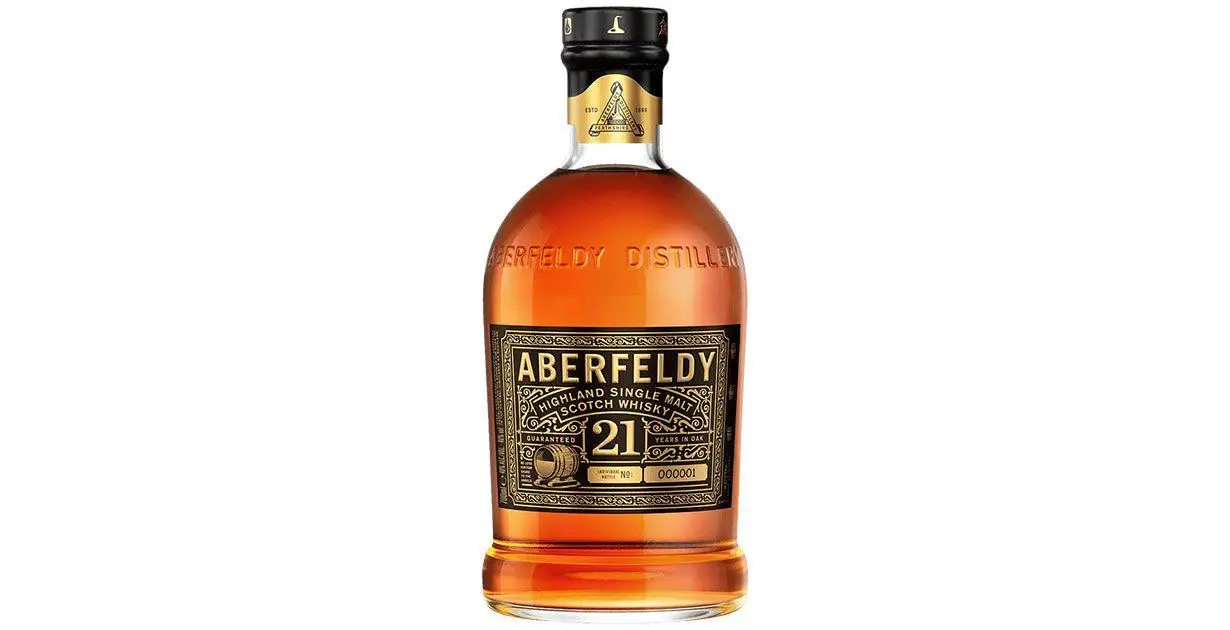
Aberfeldy 21 Years Old represents the classic side of Highland single malt. The distillery was founded in 1898 by the sons of John Dewar and remains the only distillery built by the Dewar family. For decades, its whisky formed the backbone of Dewar’s blends before gaining recognition as a single malt in its own right.
This expression is matured for 21 years in a combination of bourbon and sherry casks. That long aging builds depth without losing Aberfeldy’s signature honeyed character. The whisky is bottled at 40% ABV and forms part of the distillery’s core range.
Aberfeldy draws its water from the Pitilie Burn, an area historically known for alluvial gold. That link to place is central to the brand’s identity. The Category Winner award highlights how traditional Highland whisky, when patiently made, continues to stand out.
anCnoc 10 Years Old Peated
Style: 12 Years & Under
Medal: Gold, Category Winner
Tasting Notes: Smoky vanilla, green apples, runny honey, orange citrus
Find Your Next Bottle: $61

anCnoc 10 Years Old Peated showcases a different side of the Knockdhu distillery. Known for its precise and traditional Highland style, anCnoc built its reputation on unpeated whisky for decades. This release uses Highland peat in a measured and deliberate way.
The whisky is matured for 10 years in American oak ex-bourbon casks. It is made using locally sourced Highland peat, which produces a softer smoke than coastal styles. The whisky is bottled at 40% ABV.
Knockdhu Distillery was founded in 1894 and still uses the same still design today. That consistency shapes anCnoc’s clean and structured spirit. This whisky brings smoke into that framework without overwhelming it.
Loch Lomond Steam and Fire
Style: No Age Statement
Medal: Gold, Category Winner
Tasting Notes: Melted brown sugar, butter, orange, dark chocolate
Find Your Next Bottle:

Loch Lomond Steam and Fire was created to highlight how the distillery makes whisky differently from almost anyone else in Scotland. It is a technical showcase rather than an age-driven release.
The whisky is made by combining spirit from Loch Lomond’s straight neck stills and traditional swan neck pot stills. That flexibility allows the distillery to layer different spirit characters before maturation. The whisky is aged in American oak casks, then finished in heavily charred oak barrels prepared at Loch Lomond’s on-site cooperage. It is bottled at 46% ABV.
The name refers to two core elements of whisky making. Steam reflects distillation and engineering. Fire refers to the intense cask charring used during maturation.
The Category Winner award confirms that technical innovation can stand on equal footing with age and tradition.
Loch Lomond 18 Years Old
Style: 13 To 20 Years
Medal: Gold
Tasting Notes: Green apple, grapefruit, honeysuckle, oak, cigar box, gooseberry, dried tea, tobacco leaf, medicinal peatiness, wood smoke
Find Your Next Bottle: $108

Loch Lomond 18 Years Old is a cornerstone of the distillery’s aged range and a clear example of its modern Highland style. It reflects long maturation paired with a production setup that allows unusual control over spirit character.
The whisky is matured for 18 years in American oak casks, including a mix of first-fill and refill barrels. It is bottled at 46% ABV, without chill filtration or added color. A small proportion of peated spirit is used, which adds a gentle thread of smoke rather than overt peat.
Loch Lomond distillery was established in the 1960s and has since become known for its diverse stills and on-site cooperage. That flexibility allows precise blending of spirit styles before aging.