



The whisky highball is one of the easiest ways to enjoy whisky when the weather warms up. It is light, long, and refreshing. Pour a measure over ice, top it with soda, and you have a drink that stretches the whisky out without losing what makes it good.
The IWSC takes the highball seriously enough to give it its own category. Each whisky is judged blind as a highball, one part whisky to three parts soda water, with no ice or garnish to hide behind. This year produced no gold winners, which makes the silver medalists the ones worth knowing about.
So, today we are looking at the five silver medal winners, what the IWSC judges thought, and why they won their medals. Before we get to those, a word on the highball itself, and on the bottle I reach for most often.
What Will Whisky Look Like in 2027? Voices from Whisky Live Paris
READ THE STORYThe Whisky Highball, and How to Make a Good One
A highball is whisky and soda over ice, served tall. The soda lifts the whisky’s aromas and softens the alcohol, so you taste the spirit clearly without the heat of a neat pour.
Making a good one comes down to a few habits. I like to chill the glass and the soda. I also use fairly large ice cubes, filling the glass right to the top. A full glass of large ice cubes melts more slowly and keeps the drink cold.
Pour the whisky in and give it a quick stir against the ice, then add cold soda from a freshly opened bottle, pouring gently down the side of the glass to keep the bubbles.
 Trending Content

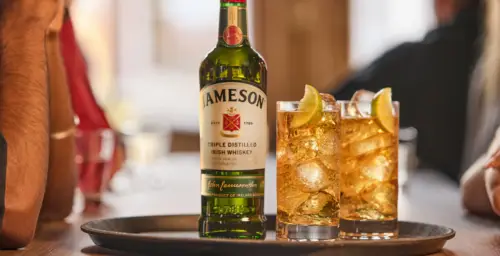
Lighter, fruitier whiskies work beautifully in highballs, as do gently smoky and malt-sweet styles, because the soda carries their flavors well.
The serve owes much of its popularity to Japan, where Suntory built a culture around whisky and soda and later revived it for a new generation. It has since become a default pour well beyond Japan. Soda water is the cleanest mixer, though ginger ale suits richer, sweeter whiskies and gives you a different drink altogether.
For me, the highball is the perfect hot weather drink. It is long, low in intensity, and easy to drink alongside food, which is exactly what you want when it is warm.
Personally, Aberfeldy 12 is one of my favorite whiskies for a highball. Its honey notes work wonderfully with citrus, and with a sprig of mint and a slice of lemon it is super refreshing.
Now, though, let’s take a look at the IWSC Judges’ favorite whisky highballs from this year’s competition.
Green River Distilling Co. Honey 4 Year Old Flavored Whiskey
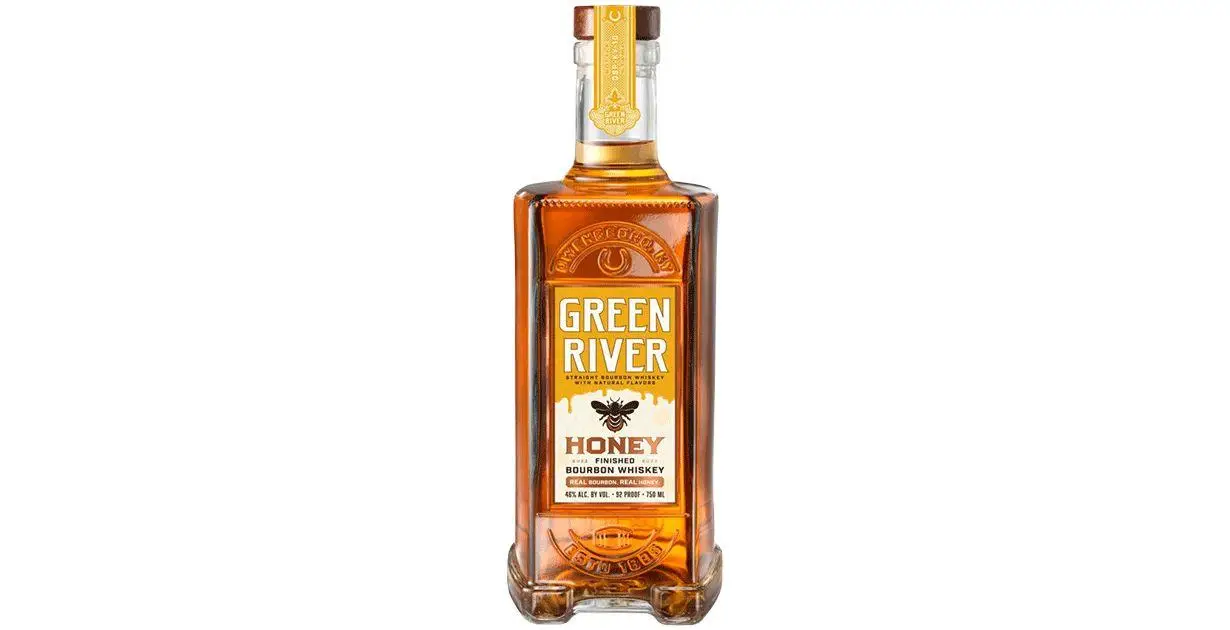
Green River Distilling Co. is based in Owensboro, Kentucky, one of the older licensed distilleries in the state. This release takes the distillery’s four-year-old Kentucky straight bourbon, built on a high-rye mash bill, and finishes it with real honey added straight into the barrel. It is bottled at 92 proof.
The honey brings a natural sweetness that suits a long drink, and it holds its own despite being just 46%. It is the one whiskey here the IWSC judges did not leave tasting notes for on the IWSC website, but its honeyed, citrus-friendly character makes it an easy fit for a highball, particularly with ginger ale rather than plain soda.
Green River Honey took home a Silver in the Whisky Highball category, along with a Silver for Whiskey & Ginger Ale and a Silver medal with 91 points.
Lark Distilling Co. Kurio Crimson Jam Tasmanian Blended Malt Whisky
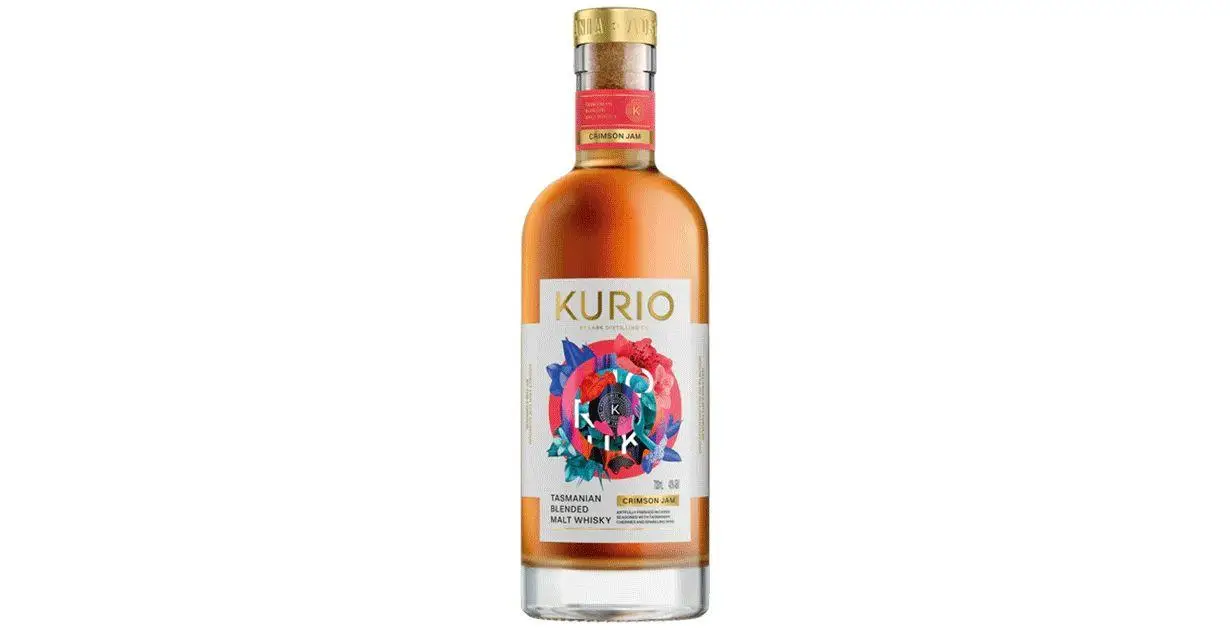
Lark is based in Hobart, Tasmania, and was the first licensed whisky distillery to operate in the state in well over a century. The Kurio range is its more playful, flavor-forward line, and Crimson Jam blends Tasmanian single malts finished in cherry casks and sparkling wine casks. A touch of soft applewood smoke runs underneath it all.
Crimson Jam won a Silver in the Whisky Highball category and a Silver medal with 91 points.
The IWSC judges found “vibrant aromas of crisp apple, citrus zest, and rhubarb”, with a palate of “warm lemon tart and crisp red apple”. They noted it finishes with a “refreshing, lingering burst of fruit”. This kind of bright, fruity profile is well-suited to a highball, which elevates the citrus with its fizz.
Adelphi Distillery Maclean’s Nose Blended Scotch Whisky
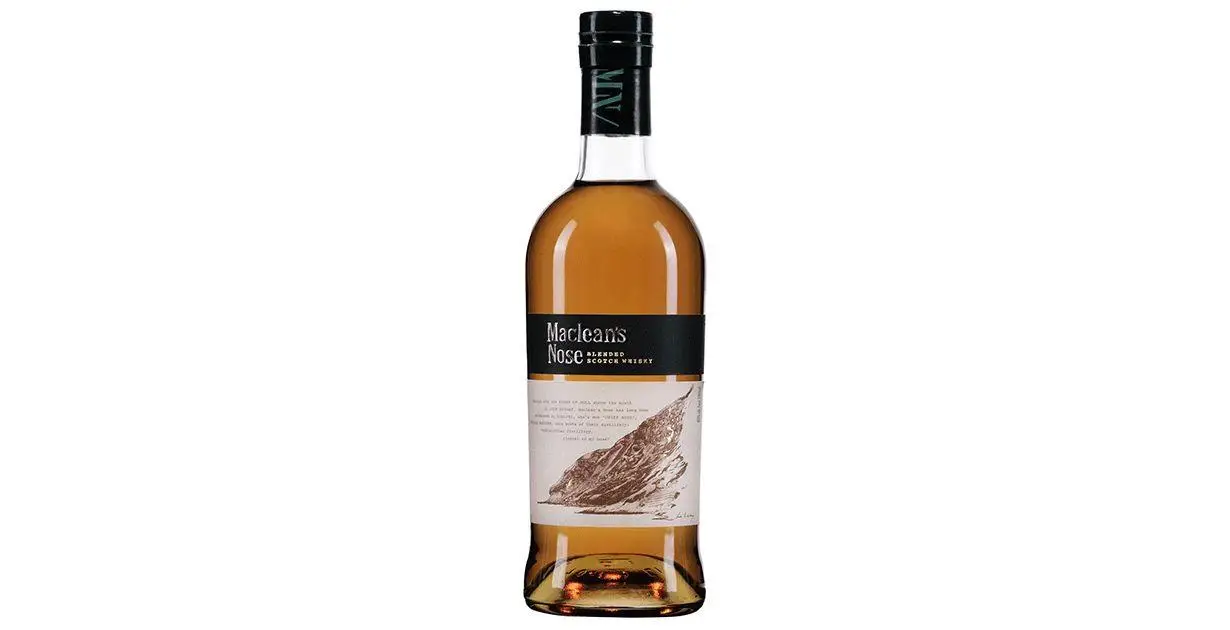
Maclean’s Nose, which comes from Adelphi, the respected independent bottler behind the Ardnamurchan Distillery on Scotland’s west coast, won a Silver in the Whisky Highball category, along with a Bronze medal.
It is a blended Scotch with a high malt content of around 70%, and it is named after the whisky writer Charlie MacLean, who has long worked with Adelphi on its bottlings. A good portion of the blend is matured in ex-sherry casks, which fills out its coastal character.
The IWSC judges described light and fresh citrus with gentle smoke, and a palate of lime sweets and subtle peat. The smoke isn’t overwhelming, which is part of why it works in a highball. Gentle peat gives the drink a savory edge, where heavier smoke would dominate the drink.
This is a great choice to scratch that peated whisky itch when the weather is super hot, and you would like a tall serve.
Nc’nean Distillery Organic Single Malt Scotch Whisky
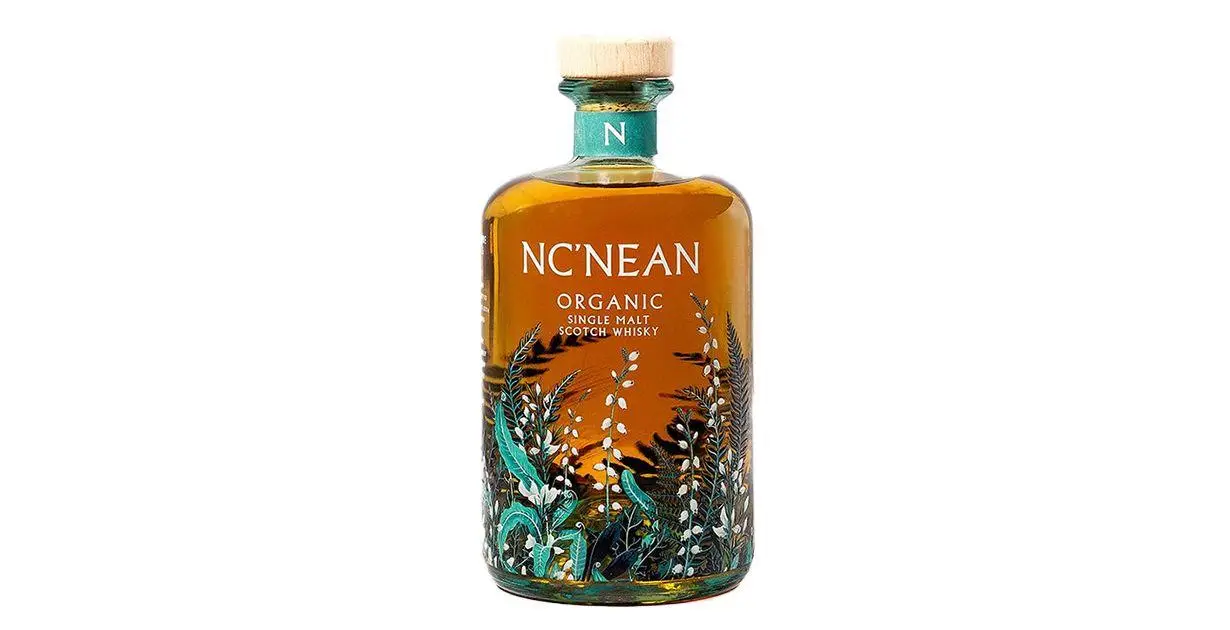
Brazil nuts were the first thing the IWSC judges noticed here, rich and woody on the nose. Then they noted “grassy notes, grapefruit, honey, subtle citrus, and baked spices”, with an oily mouthfeel. peppermint.
The combination of soft fruit and natural mint makes it one of the more obvious highball candidates of the five, and the peppermint all but asks for a sprig of fresh mint to be added.
Nc’nean sits on the Morvern peninsula in the western Highlands, the only fully organic working whisky distillery in Scotland. Annabel Thomas founded it around a serious environmental commitment, and it became the first whisky distillery in the UK to be verified as net zero for its direct emissions, as well as a certified B Corp. The spirit is unpeated, made from organic Scottish barley and matured mostly in red wine and ex-bourbon casks.
The medals followed: a Silver in the Whisky Highball category and a Silver overall with 91 points.
Loch Lomond Group Signature Blended Scotch Whisky
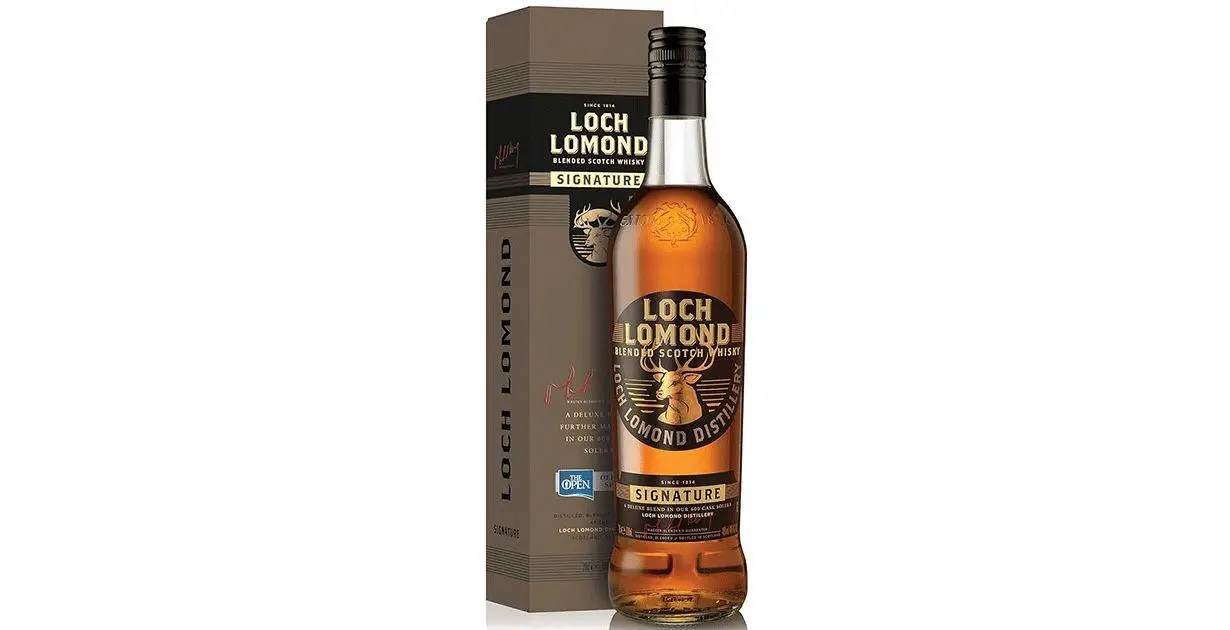
Few distilleries are built like Loch Lomond. Its site in Alexandria runs an unusual set of stills, including straight-neck pot stills found almost nowhere else in Scotch production, which lets it make a wide range of spirit in-house.
Signature is its blended Scotch, drawn entirely from malt and grain whiskies distilled on site and married in a Solera system of sherry and re-charred oak casks. The result is fruity and lightly smoky, with a sherried softness running through it.
At the 2026 competition, the IWSC judges described a “delicate interplay of seaweed and smoky peat with hints of cooked meat”, then ripe fruit and honey on the palate. They picked out clementine, cinnamon, and oaky spice, pineapple, a gentle chilli heat, and smoky, meaty hints. It is the boldest and most savory of the five, which gives a highball real depth without the drink becoming super heavy.
This was a strong showing across the board. Signature won a Silver in the Whisky Highball category, a Silver for Whiskey & Ginger Ale, and a Silver medal with 90 points.
Pour One This Summer
The beauty of the highball is how little it asks of you. Good ice, cold soda, a gentle stir, and a whisky with enough character to stay interesting once it is long and cold. Any of these five will get you there, whether you want something fruity and easygoing or something with a bit of smoke and depth.
So pick one up, find a warm afternoon, and put it to the test. Add a slice of lemon or a sprig of mint if the whisky takes it.
Which whisky would you reach for first, and how do you build your highball? Let me know in the comments.