





There are plenty of excellent whiskies available for $25, so is there really any point in spending twice as much? Does that extra money buy you better whisky, or are you just paying for a bigger name and fancier packaging?
Of course, $50 is still a significant amount to spend on a bottle, and a higher price doesn’t automatically guarantee better whisky. But sometimes, stretching your budget can make a noticeable difference.
I’ve picked five whiskies that offer excellent value at around $25 and compared them with bottles costing closer to $50. From richer flavors and higher bottling strengths to more interesting cask influences, here’s where we think trading up is worth the extra money.
What Will Whisky Look Like in 2027? Voices from Whisky Live Paris
READ THE STORY1. Trade Up From Speyburn 10 Year Old ($25) To Oban Little Bay ($48)
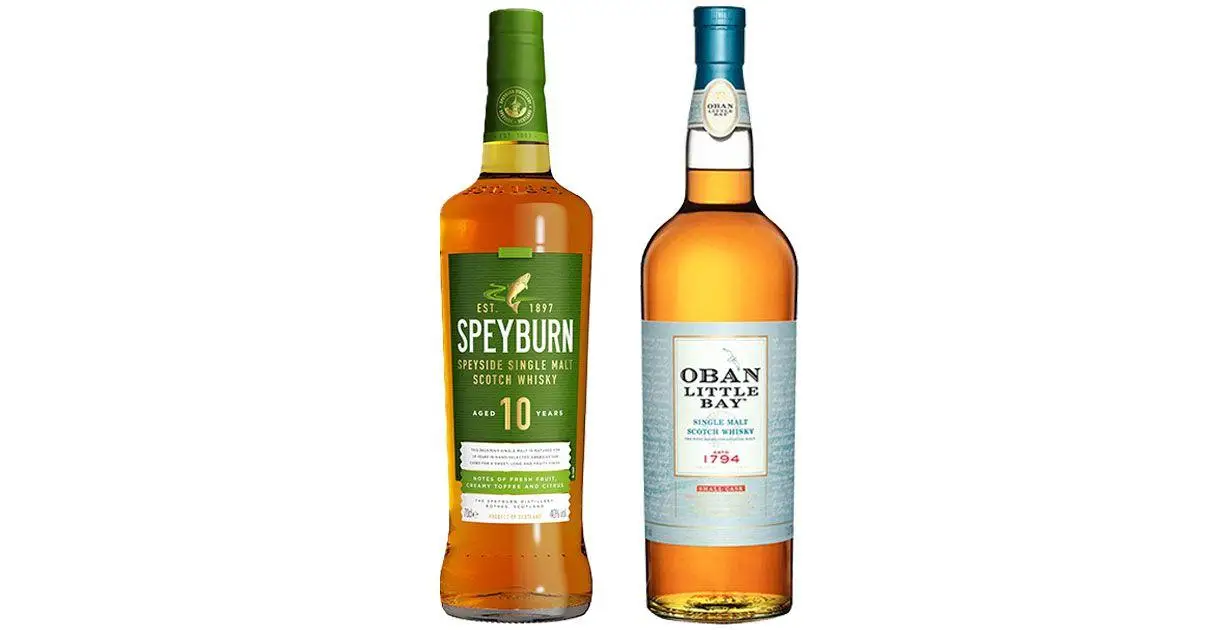
Speyburn 10 Year Old is a perfectly good whisky. It’s the definition of an introductory single malt: light, fresh, easy to drink, and produced by a distillery that doesn’t always get the recognition it deserves. However, doubling your budget opens up a much wider world of flavors and styles in Scotch whisky.
Oban Little Bay is an excellent example of where that extra money can go. Oban is somewhat unusual in its location on Scotland’s west coast mainland, an area with relatively few distilleries. Its whisky offers a lovely combination of apples, pears, and sweet fruit, with a subtle coastal saltiness.
Oban Little Bay also undergoes additional maturation in small oak casks, increasing the spirit’s contact with the wood. The result is a complex, layered, yet approachable single malt.
 Trending Content






For me, it’s well worth the trade up.
2. Trade Up From Tullamore D.E.W. ($25) To Powers Three Swallows ($50)
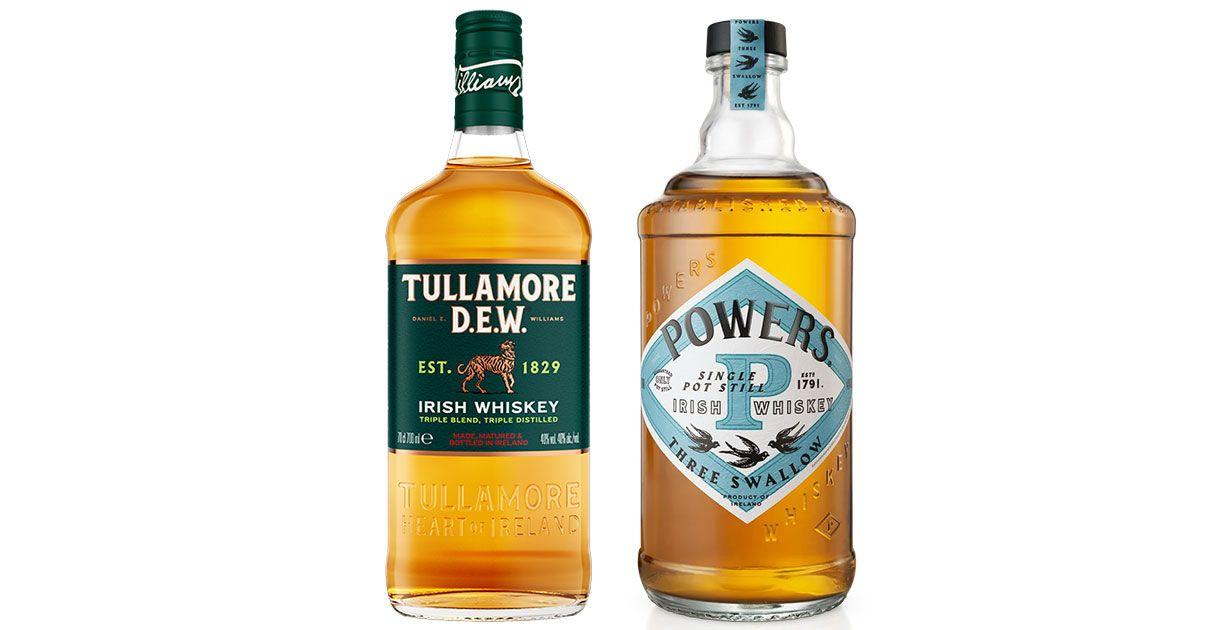
Tullamore D.E.W. is a classic Irish whiskey loved around the world. It’s light, clean, and easy to drink, working equally well on its own, in mixed drinks, or even in an Irish coffee.
But in this case, spending more is absolutely worth it.
Powers Three Swallows is one of the best-value single pot still Irish whiskeys around. Where Tullamore D.E.W. offers a light, grassy style, Powers delivers the distinctive spices of single pot still whiskey, alongside waves of honey, vanilla, and some softer sherry influences.
It’s an incredible way to experience traditional Irish single pot still whiskey without spending a fortune on some of the more well-known releases.
3. Trade Up From Larceny Small Batch ($25) To Green River Wheated Full Proof ($50)
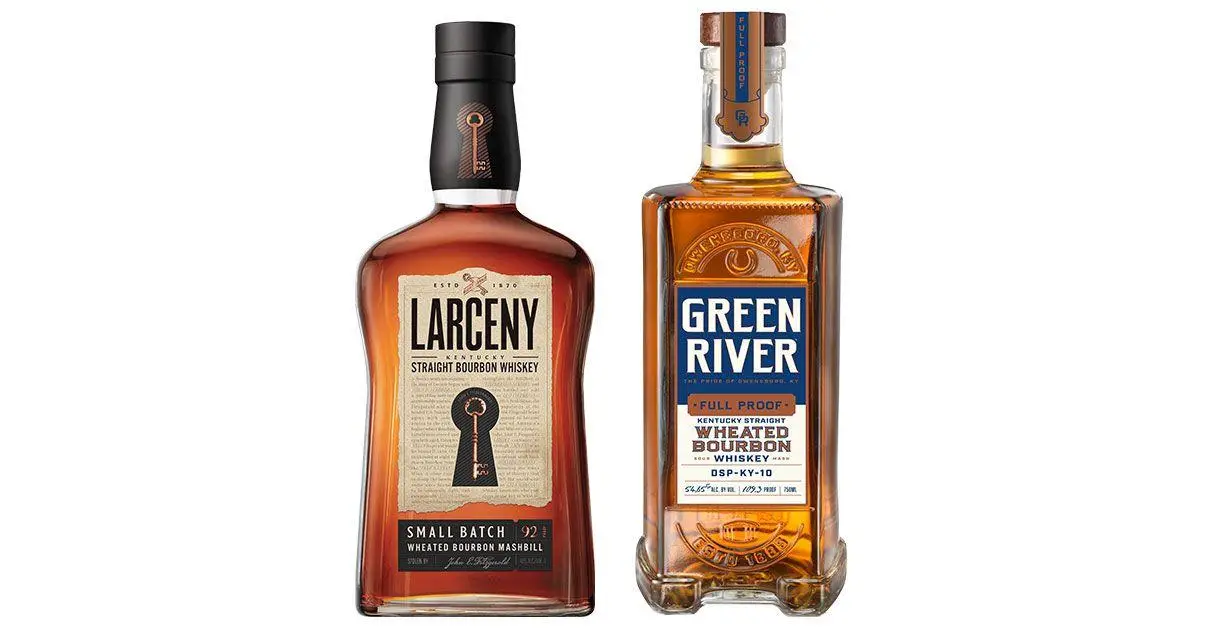
This was a difficult comparison to put together because Larceny Small Batch is already an incredible value bourbon at under $30. It’s so hard to beat at that price that recommending an alternative almost feels unnecessary.
However, Green River Wheated Full Proof is a worthy contender.
You’re still getting that wheated bourbon base, but now with a considerably higher bottling strength and a more intense drinking experience. It’s a great option for anyone who enjoys the softer, sweeter character of wheated bourbon but wants to explore something with a little more punch.
Of course, Larceny Barrel Proof is available for a similar price, but it can be harder to find than the Green River release.
If you’re looking to explore a less obvious, high-proof wheated bourbon, Green River is well worth the extra money.
4. Trade Up From Glen Moray Peated ($25) To Ardbeg 10 Year Old ($48)
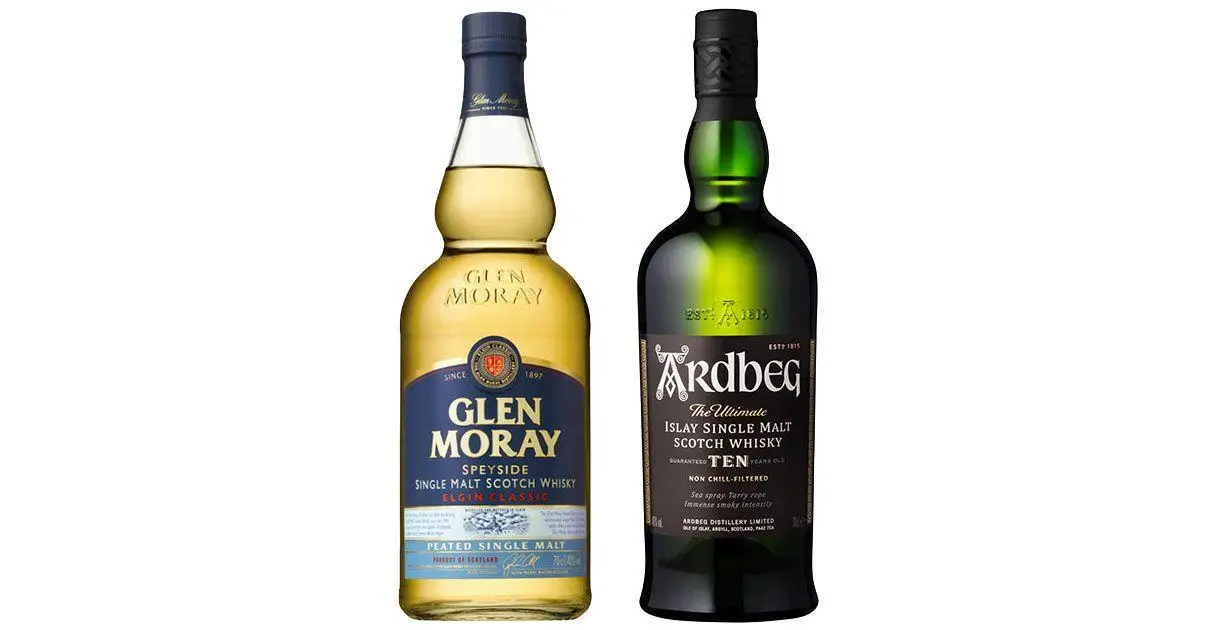
Affordable peated whisky is a wonderful thing, particularly when you consider the premium often attached to single malts from Islay. Thankfully, Ardbeg 10 Year Old is here to show that you don’t always have to spend a fortune for a seriously good peated Scotch.
Glen Moray Peated is a great place to begin your journey into smoky whisky. It offers a lighter, more approachable style of peat that doesn’t overwhelm the palate.
Ardbeg, on the other hand, is there to do exactly the opposite.
It’s bold, smoky, and packed with character. For under $50, it’s hard to beat Ardbeg 10 if peat is your thing. This is a complex, interesting whisky from a much-loved distillery, and it offers a considerable step up in intensity.
Once you’ve tried Ardbeg 10, you’re unlikely to forget it.
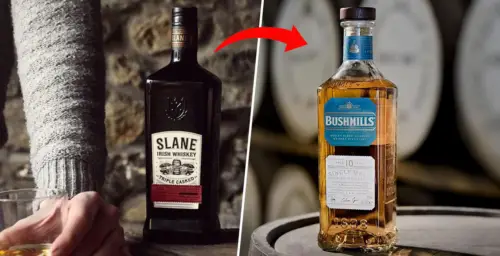
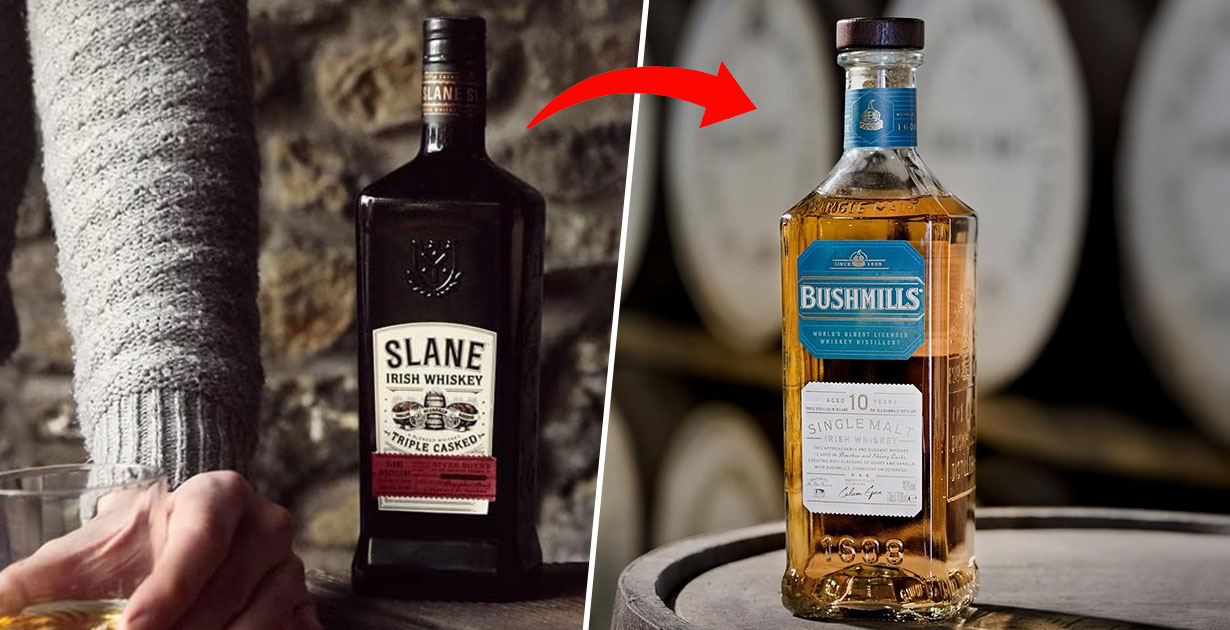
5. Trade Up From Slane Triple Cask ($25) To Bushmills 10 Year Old ($50)
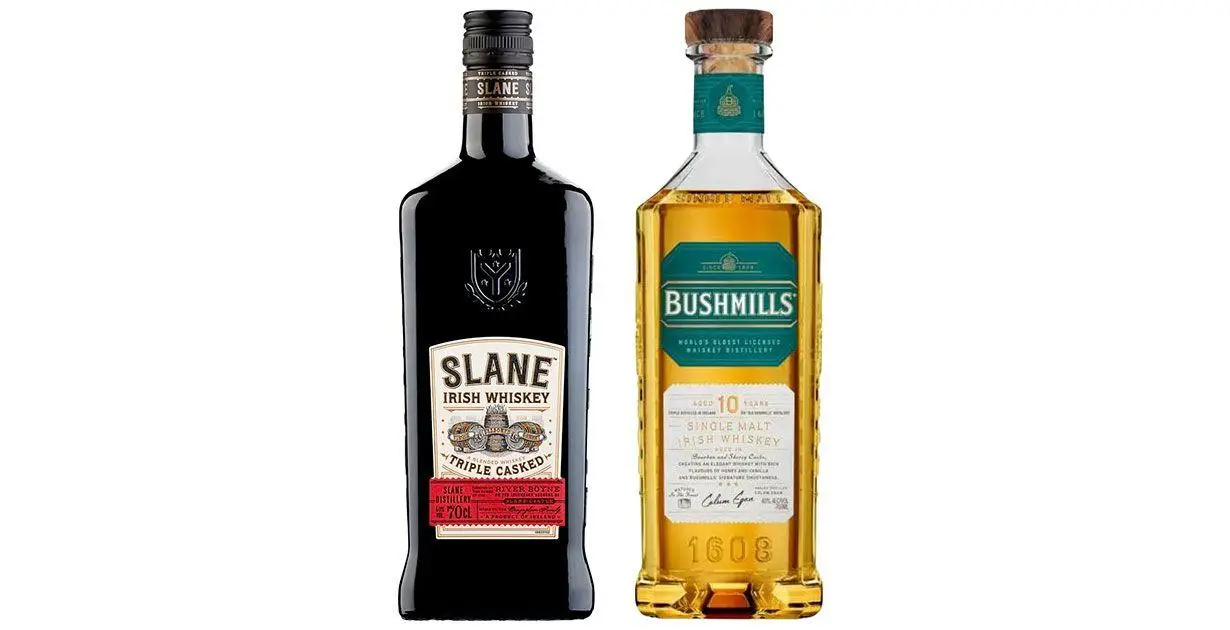
Bushmills 10 Year Old is another example of a big brand producing a genuinely excellent bottle of whiskey. It’s one of the most mellow, approachable Irish single malts around.
It’s packed with sweet honey, citrus fruits, and little cookie notes that come through beautifully on the finish.
Slane Triple Cask is also a great introduction to Irish whiskey, although it has more pronounced wood influences than you might typically expect from the category.
Doubling your budget and moving up to Bushmills 10 is a worthwhile choice if you enjoy drinking your whiskey neat. You’re getting a mellow, sweet single malt that offers plenty of flavor without becoming overpowering.
Slane certainly has its place, particularly as a mixer, where those additional wood influences help it stand up well in cocktails and longer drinks. But for sipping, Bushmills 10 is the bottle we’d choose.
Is Trading Up To A $50 Whisky Worth It?
In these five cases, we’d say yes. Spending a little more can bring you greater flavor intensity, more interesting cask influences, higher bottling strengths, and whiskies that are particularly rewarding to drink neat. Although, if you want to mix them, go right ahead!
Once you start spending more than $50, things can become a little more complicated. Age statements get bigger, experimental finishes become more adventurous, and you’re often paying a premium for branding and exclusivity. Without tasting the whisky first, it can be difficult to know whether you’re actually getting your money’s worth.
But between $25 and $50, there are some fantastic opportunities to trade up. The cheaper bottles on this list are all good whiskies in their own right, and there’s nothing wrong with sticking to them.
However, if you’ve got an extra $25 to spend and want to explore something a little different, these five upgrades are excellent places to start.