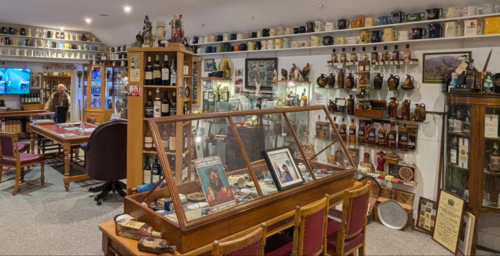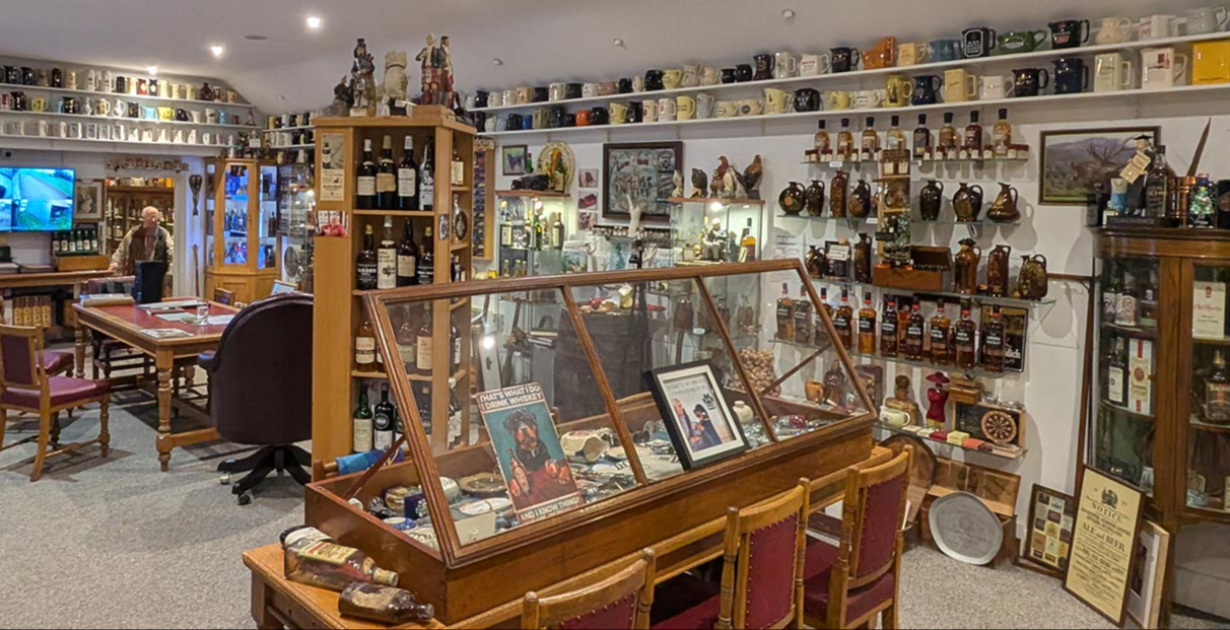
More than 5,000 bottles, gathered over 40 years and housed in a converted pigsty: Bill Garratt’s collection is the largest whisky collection I have ever been involved in selling. But its scale is not what makes it extraordinary. This Bedfordshire farmer collected through a period when Scotch whisky itself was changing, and his shelves preserve that history in blends, single malts, miniatures, books and memorabilia.
As the Garratt Collection heads to Whisky Auctioneer in a series of sales, I find myself drawn to the bottles that tell that story best.
The Rare Malts Selection captures the moment single malt began to offer collectors something new. Launched in the 1990s by United Distillers, the series brought older, higher-strength whisky from distilleries that many drinkers would rarely have encountered on a shelf.
Bill acquired a remarkable number of these releases, including two Broras that show why details matter at auction. His 22-year-old 1972 bottling comes from Brora’s celebrated heavily peated production period, while a 24-year-old distilled in 1977 can command a fraction of its price. Similar-looking labels do not necessarily mean similar whisky, or similar value.
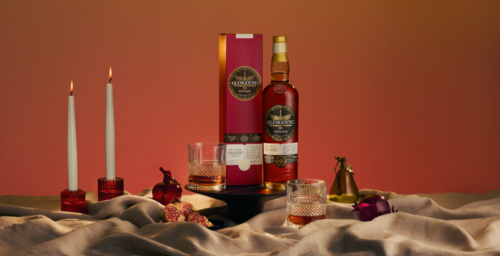
Bill devoted an entire room to Macallan, yet the bottle I would pick is a slightly left-field one: the 2009 Robert Burns Semiquincentenary release. Created for the 250th anniversary of Burns’s birth, it combined whisky from two sherry casks bearing the number 1759, the year Burns was born. Its handmade presentation case is lovely, but its unusual crystal stopper, rather than a conventional neck seal, makes it a tricky proposition for some collectors. To me, it also recalls an era when Macallan could respond to an occasion with a distinctive release drawn from its own inventory.
Then there are the blends. They were central to whisky collecting when Bill began, and leaving them out would miss a huge part of the industry’s history. His Johnnie Walker *100 Years of the Striding Man* set traces the evolution of the brand’s famous figure through engraved bottles. The liquid is Blue Label, not a newly created blend, but that is precisely the point: collectors can value a bottle for its design and cultural significance as well as what is inside.
I would never tell anyone what to bid on. What Bill’s collection makes clear, though, is that the best whisky collections are more than lists of expensive names. They reveal how tastes, brands and the industry have evolved. Which bottle would you choose?
For a closer look at the collection and these bottles, check out my YouTube video.
 Latest On The Whiskey Wash