

In recent months, the global economy has faced unprecedented challenges, leading nations to adopt various strategies to mitigate the impacts and stimulate growth. One significant move has come from China, where the government has launched a robust economic stimulus package in an attempt to revive its slowing economy.
Let’s explore the potential ripple effects of China’s economic measures on the whisky market, a sector that has historically been sensitive to shifts in economic policy and consumer spending habits. By analyzing the relationship between economic stimuli and luxury good consumption, we aim to assess whether these recent interventions could herald a new era of prosperity for whisky enthusiasts and investors alike.
The Whisky Market 2021-2024
The whisky market’s trajectory in recent years has been nothing short of a rollercoaster. Peaking in early 2022, the sector enjoyed a robust period during 2021, fueled by an influx of new investors. Many of these were capitalizing on profits from cryptocurrencies and looking for alternative investments amid historically low interest rates.
The decline began in earnest around March 2022, coinciding with global events such as the war in Ukraine and a burgeoning cost of living crisis. By late 2022, the market downturn had accelerated, persisting until May 2024. However, since then, the market has shown signs of stabilization and even modest recovery, hinting at resilience and a potential slow revival.
The Decline in Asian Spending On Whisky
While factors like the war in Ukraine and the cost of living crisis undoubtedly played a role in the whisky market’s downturn, it’s worth considering the potential impact of reduced spending from Asian consumers, particularly the ultra-wealthy. An article published by Affluential on September 16, 2024, titled “Singapore’s Rich Chinese Cut Back on Ferraris and $75,000 Whisky,” reveals a notable decline in luxury spending among this demographic. Whisky dealer Manjit Gill, quoted in the article, observes a significant drop in high-end whisky sales, attributing it to a combination of economic factors and a desire for more discreet spending.
This trend could have contributed to the broader slowdown in the whisky market, as affluent Asian buyers, particularly those in China, have become key drivers of demand in recent years. As the Affluential article highlights, ‘There’s a broad cloud impacting the ways they spend money in Singapore,’ suggesting a potential ripple effect on luxury markets globally, including whisky. But could this be about to change?
The Chinese Economic “Bazooka”
In response to slowing economic growth, China has implemented a substantial stimulus package, colloquially termed the economic “bazooka.” This includes cutting interest rates and reducing bank reserve requirements, thus boosting liquidity and potentially increasing consumer spending. Such measures could free up disposable income, enhancing consumer confidence and spending on luxury goods, including whisky.
Key Measures of the Stimulus:
- Interest Rate Cuts: Cheaper borrowing could increase consumer spending on non-essentials.
- Reduced Bank Reserve Requirements: More lending could stimulate investment and business growth.
- Liquidity Support for Stock Markets: Boosting investor confidence could indirectly benefit the whisky market by improving overall economic sentiment.
Will The Whisky Market Recover
This stimulus could invigorate the whisky market by increasing disposable incomes and consumer confidence, crucial for luxury spending. Additionally, a surplus of funds might lead investors, including funds and family offices, to adopt a long-term view on whisky investment, focusing on five to ten-year horizons.
Given the market’s relatively small size, it wouldn’t require many major players to significantly impact prices, particularly at auctions where competitive bidding can drive values.

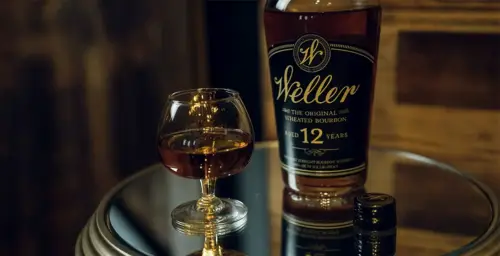

This time, however, there may be a shift towards more historically valuable bottles, such as high-age statements and early vintages, which have proven more resilient in value than modern releases.
While the stimulus might provide a temporary uplift, it could also mask deeper issues within the Chinese economy. If the economic problems are more systemic, the market uplift could be short-lived, collapsing once the reality sets in. Additionally, ongoing geopolitical tensions could exacerbate economic instability, potentially impacting global markets, including luxury sectors like whisky.
The whisky market remains a complex and volatile space, influenced by a myriad of factors including economic policies, consumer behavior, and global events. While the Chinese stimulus offers a promising short-term outlook for the whisky market, stakeholders should remain cautious and consider the broader economic context when making investment decisions.