Barrel entry proof, as the name implies, is what strength the whiskey is when it is barreled after being distilled. The four rye recipe bourbons initially came off the still at 140 proof, but were put into the barrel for aging for 11 years, 9 months at different proofs before ultimately being bottled at 90 proof. Here’s how the distillery describes each offering:

Rye 115 – This rye recipe bourbon was put into the barrel at 115 proof and has light oaky flavors mingled with leather and palm sugar.
Rye 105 – At an entry proof of 105, the angels were particularity generous with their share, taking the highest amount of their share in all four experiments with an evaporation rate of 26%. The 105 entry proof produced a bourbon which had a good overall flavor with some earthy tones, followed by a buttery, light finish.
Rye 90 – At an entry point of 90, this bourbon had a 25% evaporation rate as it aged alongside the other four experimental rye barrels in Warehouse K. The result was a bourbon with a light fruity flavor followed by some hints of dried nuts and spice, with a drier finish.
In terms of results it was determined that “entry proof does affect bourbon flavor, and it does affect evaporation rates. Also, different barrel entry proofs will produce varying flavor elements.” You can taste some of the results yourself if you can find a 375 ml bottling that likely will be pricing around $47 each.
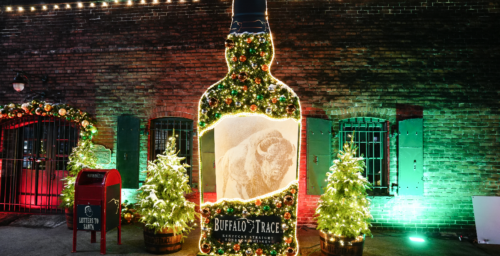
For those who are curious, Buffalo Trace said it is currently making use of more than 2,000 experimental barrels of whiskey aging in its warehouses. Each of these barrels has unique characteristics that differentiate it from all others. Some examples of these experiments include unique mash bills, type of wood and barrel toasts.
 Latest On The Whiskey Wash