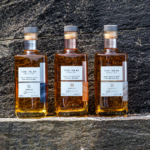
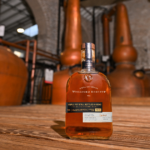





A few years ago, I received one of the first bottles of Glyph sent over to the UK, where I live. Glyph is a ‘whiskey’ produced by San Francisco company Endless West. The company foregoes the typical costly efforts of fermentation, distillation, and maturation. Instead, it independently sources the molecular compounds typically found in good whiskey. By blending them together, the resulting drink theoretically resembles an aged whiskey in smell and taste.
Tasting the Glyph in the excellent whiskey bar Milroy’s of Soho, both myself and my whisky industry pal (Billy Abbott from The Whisky Exchange) reached a similar conclusion. While the theory behind this product is fascinating, in practice it doesn’t taste very good. However, Glyph represents a very interesting early attempt to circumvent the tried and trusted methods of whiskey production.
Endless West isn’t the first company looking for shortcuts. Unlike the Glyph however, most of its competitors focus on innovative methods to drastically shorten maturation as opposed to reinventing the wheel. Cleveland Whiskey uses a special method applying pressure within a steel tank to infuse its six month old whiskey with flavor. Another pioneer in the rapid-aging game is Bryan Davis, founder of the Lost Spirits Distillery. He built specialized reactors that create genuinely tasty spirits.
Quick whisky question
Single malt is everywhere, but what does it mean? We want to know what the word “single” means to you. Three quick questions, under a minute.

These aren’t the only companies releasing artificially-aged whiskeys. A new wave is building, in part, thanks to celebrities involved with the companies producing these brands.
What’s more, a few of these companies claim their production processes are much more sustainable. They emit a fraction of carbon emissions and generate less waste than a distillery producing equivalent amounts of hooch.
It’s also worth noting that artificial maturation seems to be an almost exclusively American trend. The UK and Europe require a minimum 3 years maturation, which means any young pretenders would suffer the labelling consequences if they push ahead with these kinds of rapid aging experiments. The law is more relaxed about what can be called ‘whiskey’ in the US, so further breakthroughs in technology and flavor are likely to be American.
What Will Whisky Look Like in 2027? Voices from Whisky Live Paris
READ THE STORYIt is unlikely that these brands will make a serious dent in the overall global whiskey market soon. But it’s still early days for many of these artificial maturation methods. They can scale up and become more cost effective. Many of these products right now are in the same price bracket as budget-friendly high quality whiskeys. Once they retain good flavors while driving down their bottle prices, producers of ‘traditional’ whiskeys may need to start looking over their shoulders.
 Latest On The Whiskey Wash