

In Scotland, the definition of single malt is clear: a whisky made from 100% malted barley that is the product of a single distillery, and aged in wooden casks for at least three years.
In the United States, on the other hand, the category is a lot murkier. For a while, it wasn’t really a problem – few American distilleries marketed a single malt of any kind, and those early innovators who did (Clear Creek, St. George) stuck to a very traditional interpretation of the Scottish rules.
But today, the American Single Malt category is booming, and in our uniquely American way, our distilleries are pushing the boundaries of what can – or should – be included in the definition of American single malt whiskey.
The TTB does not define any category called single malt. It does offer a definition for “malt whisky,” which must be at least 51% malted barley, distilled to less than 160 proof, and aged at 125 proof or lower in charred new oak containers. By that definition, the category excludes anything made using one of the most traditional aspects of the Scottish process: used barrels.
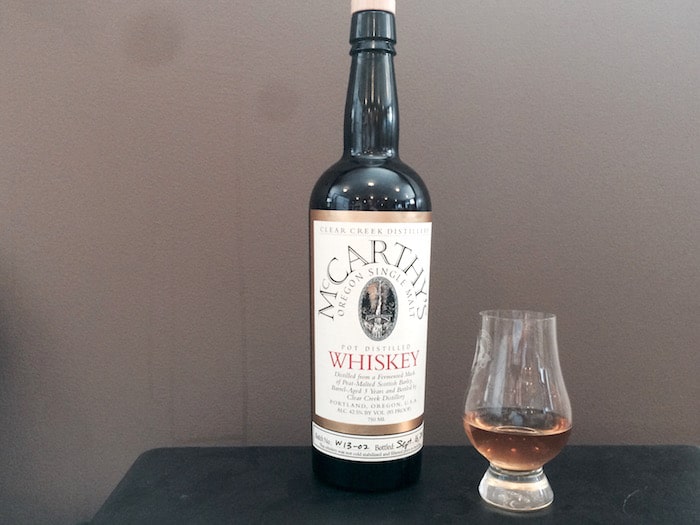
For now, a bottle with “American Single Malt” written on the label could contain a spirit made on pot stills from 100% malted barley and aged in used sherry casks, just like your favorite Scottish whisky. It could also contain a spirit made from a blend of malted corn and malted rye, distilled on continuous column stills, and aged in brand-new charred American oak barrels.
Should it be this way? Probably not. That second whiskey described above might be great, but even the most free-spirited rule-bender would be hard pressed to say with a straight face that it belongs on the same shelf as Westland’s single malt, let alone Glenfarclas.
Right now, a consortium of American single malt producers are working with the TTB to create an “American single malt” category that more closely mirrors the spirit of the Scottish regulations: 100% malted barley, single distillery, and used as well as new barrels. Hopefully a fresh look at the regulations will give distillers – and consumers – a little more clarity at the liquor store.
 Latest On The Whiskey Wash

 Latest News